



Ammonia proposals could delay progression and reduce farm income
The Ulster Farmers Unions (UFU) is concerned at the farming sector is facing critical difficulties as DAERA rolls out proposals for ammonia restrictions.
Research conducted by KPMG on DAERA’s proposed ammonia restrictions set out in the call for evidence, issued during Autumn in Northern Ireland (NI), shows that the impact of unsuccessful planning applications for on-farm developments could hamper efforts to reduce emissions and could reduce farm family income between 7%-38%.
This has the potential to affect agriculture’s primary economic output which could fall by up to £35 million.
The Ulster Farmers’ Union, Dairy Council for NI, NI Meat Exporters Association, NI Grain Trade Association, NI Pork and Bacon Forum, NI Poultry Federation and Livestock and Meat Commission, commissioned KPMG to investigate the economic impact of the potential policy changes relating to ammonia on NI’s agri-food industry.
Speaking on behalf of the organisations, UFU president David Brown said: “We have now submitted KPMG’s findings to DAERA, and the report clearly shows that ammonia restrictions in planning could delay progression in reducing emissions and have severe consequences for the future of farming in NI.
“Ammonia is a very complex issue and our farmers are very aware of this, but these proposals have the potential to do the opposite of what is intended.
“The report was commissioned before DAERA and NIEA announced their move in December to go beyond what was set out in the ‘call for evidence’ paper.
“Therefore, it does not take account of the more extreme position that has been adopted in recent weeks in the absence of a minister and without consultation.

“We can only assume creating an even greater economic impact than set out in this report.
“The report shows that these harsher ammonia rules will mean that fewer planning applications will be successful, preventing hundreds of farmers across NI from being able to develop and modernise sustainably so they can reduce emissions further.
“Many farmers have been actively embracing practical mitigation measures such as low emission slurry spreading equipment, feed formulations and fertiliser types.
“However, we are very concerned that necessary investments in improved housing and manure management facilities are likely to be significantly curtailed.
“Unsuccessful planning applications could lead to a fall in farm infrastructure investment between 20%-25% with consequences for the wider economy – agricultural construction is worth around £60-70 million (level of spend in 2022).
“Without investment in farm infrastructure, farmers could struggle to introduce ammonia mitigation measures such as improved scrapers, slat mats in livestock sheds and covers for slurry pits, critical improvements that are needed to reduce ammonia emissions from agriculture delaying progression towards targets.
“They are also vital to further improve animal health and welfare, supporting the production of high-quality food for a growing population.
“When a farm family’s planning application is rejected, not only will this derail their morale to reduce ammonia emissions, but the cost will be significant for the business.
“For dairy farmers, income could drop by 21%, 30% for beef and 38% for pigs.
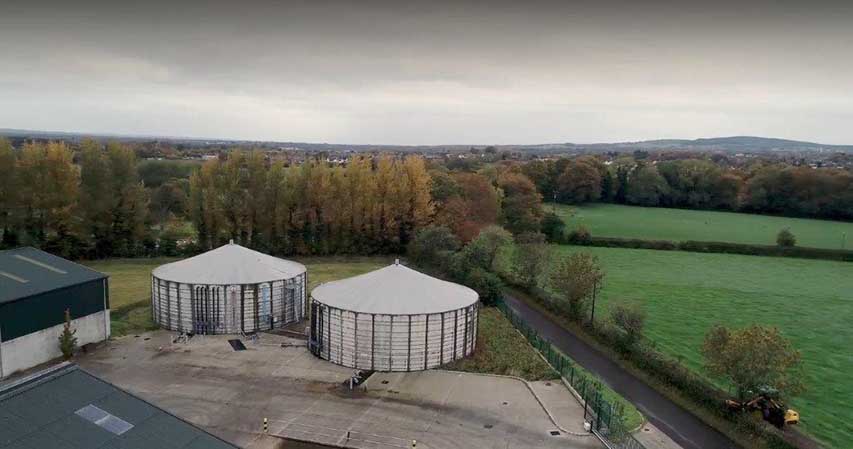
“As a result, the farm would become inefficient, and it will be impossible for the business to remain competitive impacting NI’s ability to produce food locally.
“Our agri-businesses, rural economy, communities, and consumers will be severely affected by this too.
“Farmers want to reduce their emissions, but KPMG’s report clearly shows these proposals have more potential to stop positive on-farm developments that have benefits for the environment, rather than endorsing them.
“We need to find a more balanced way forward that allows farmers to develop and deliver ammonia reductions, ensuring farm families can maintain a viable business as food producers.
“With a new Agriculture Minister now in post, this is a key issue that we will be raising with him in the coming days.”
To view the KPMG report, visit the following link,
https://www.ufuni.org/site/wp-content/uploads/2024/02/KPMG_DCNI_Ammonia-Impact-Study_02.02.24.pdf.







 is concerned at the farming sector is facing critical difficulties as DAERA rolls out proposals for ammonia)