



JUST when you thought it was safe to go in the water… it isn’t !
Your boat and equipment could be a transmitter of a serious marine pest… the sea squirt. It is a tube-like invertebrate that is difficult and costly to eradicate.
During a recent survey of marinas, commissioned by the Northern Ireland Environment Agency (NIEA),xa0an unusual species thought to be the invasive carpet sea squirtxa0Didemnum vexillumxa0was discovered in Strangford Lough. While some invasive species cause no lasting harm, other species can cause dramatic changes to local habitats. It can literally smother xa0sea beds killing off other species. St George’s Bank in the US is a recent example of this.
Sea squirt invasion is taken very seriously and the Wildlife Order (NI) 1985 makes it an offence for any person to release Didemnum vexillumxa0into the wild or to cause its further spread. It has been found in other sites around the UK and Ireland and recently in Hollyhead in Wales, a clean up operation cost £500,000.
While samples have been sent to experts for confirmation of the identification,xa0it is causing serious concern amongst marine experts.
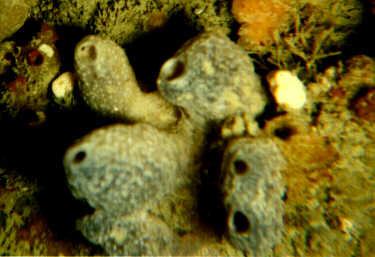
NIEA is encouraging all coastal water users, especially in the Strangford Lough area, to report possible sightings, with photographic evidence, through the ‘alien watch’ facility of the Invasive Species Ireland websitehttp://www.invasivespeciesireland.com.
Members of the public are, however, urged not to attempt to remove suspected sea squirts from vessels or structures in the sea,xa0as fragments can survive and be carried by the tides to colonize other locations. When vessels or equipment are taken from the water for routine cleaning, care should be taken to ensure that encrusting marine life is not allowed to return to the water.
Environment Minister Alex Attwood said:xa0″I am concerned about this. It is particularly hard to prevent invasive species spreading in the marine environment and even more difficult to control them once they are there. The possible presence ofxa0Didemnum vexillumxa0adds a new challenge to managing Strangford Lough which is so important for its marine life.
“My Department, through the NIEA will fully investigate this situation. The first priority is to confirm identification. Initial dive surveys will shortly be undertaken by NIEA to determine the extent of the new find. This will help to inform what management action can be taken. Further, I am setting up a working group to agree the appropriate actions in response to this potential threat.xa0I will be ensuring that those actions take place as a matter of urgency and I will be keeping a very close eye on this.”
NIEA has invited Dr Rohan Holt, a senior scientist from the Countryside Council for Wales (CCW) and expert on the survey and eradication ofxa0Didemnum vexillum, to dive suspected locations in Strangford Lough and to advise NIEA on possible management measures. Weather permitting, it is hoped that these dives will take place next week.
Didemnum vexillumxa0is a colonial sea squirt which is believed to be native to Japan. It can hang from any hard surface such as docks, lines and ship hulls or form mats on seabeds. It can spread by larvae and by fragmentation,xa0but is mainly transported over longer distances on boat hulls, fishing equipment, through the movement of aquaculture nets and via ballast water.
If it does prove to bexa0Didemnum vexillum,xa0it could pose a threat to native marine habitats and species as well as interfering with economic activities such as fishing and aquaculture, due to its smothering nature.
Minister Attwood added:xa0“At a British Irish Council meeting last week the issues and challenges posed by invasive species were discussed. The importance of sharing information, best practice and cooperation to prevent spread and control them was agreed. An all-Ireland workshop on invasive species is to be planned in the near future.”
This find, if confirmed, will be the first record ofxa0Didemnum vexillumxa0for Northern Ireland,xa0having previously been recorded in the Republic of Ireland, the South coast of England, Wales and Scotland.
The find was made by Dr Dan Minchin of Marine Organism Investigations, Dr Julia Nunn of the Centre for Environmental Data and Recording (CEDaR), National Museums Northern Irelandxa0and staff from the Marine Team of NIEA.
Check out: xa0http://news.bbc.co.uk/1/hi/wales/north_west/8390635.stm
xa0
xa0