



UFU and IFA discuss measures needed to deal with issue of uncontrolled dogs
Following a joint sheep meeting between the Irish Farmers’ Association and the Ulster Farmers’ Union, both organisations are calling for immediate and co-ordinated all-island measures to address the growing crisis of uncontrolled dogs across the country.
The current fragmented approach to dog ownership regulation is failing farmers, particularly in border areas where enforcement is vulnerable.
Too often we hear from farmers in these areas whose sheep have been mauled or killed by roaming dogs, and there is no system in place to hold anyone accountable.
Dogs from either side of the border cannot be identified or tracked, as there is no joined-up, all-island system to trace these dogs. County Down is one such border area linking with County Louth.
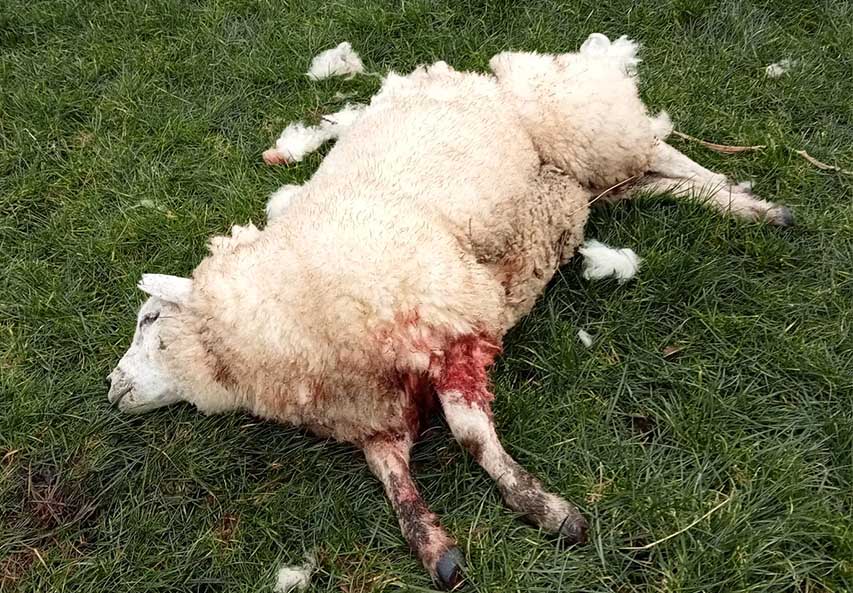
To address this, IFA and the UFU are calling for co-ordination and co-operation between authorities with a database that fully integrates licensing and micro-chipping information and clearly identifies the person responsible for each dog.
This system must be accessible to enforcement bodies on both sides of the border to ensure that no dog or owner can go unidentified.
There must be full enforcement of existing micro-chipping and licensing obligations for all dog owners, alongside stronger and clearer enforcement powers for dog wardens, An Garda Síochána and the PSNI.
Penalties for failing to comply must be increased, including substantial on-the-spot fines for unlicensed or uncontrolled dogs right across the island.
In addition to dog control, the IFA and UFU warned of the increasing risk of diseases within the sheep and livestock sector on the island.
Animal diseases such as Bluetongue pose a serious threat to the sheep sector. The financial cost these can have on farms is enormous. An outbreak in one part of the island is a threat to the sheep sector on the island.
Beyond the farm gate, the knock-on effects a large outbreak would have throughout the agri-food supply chain disrupting local economies and risking export markets could be substantial.
DAFM and DAERA should work in full co-operation on implementing preventative measures, disease surveillance, emergency response, and information sharing.
These diseases do not recognise borders, and without a co-ordinated strategy, farmers on both sides are left vulnerable.
Both farm organisations have also called on farmers to be aware of threat of Bluetongue virus entering the island through live animal imports and have urged farmers to resist any such high-risk behaviour at a critical time in the fight to keep this disease off the island and protect the health and welfare of our animals and our live trade market access.