


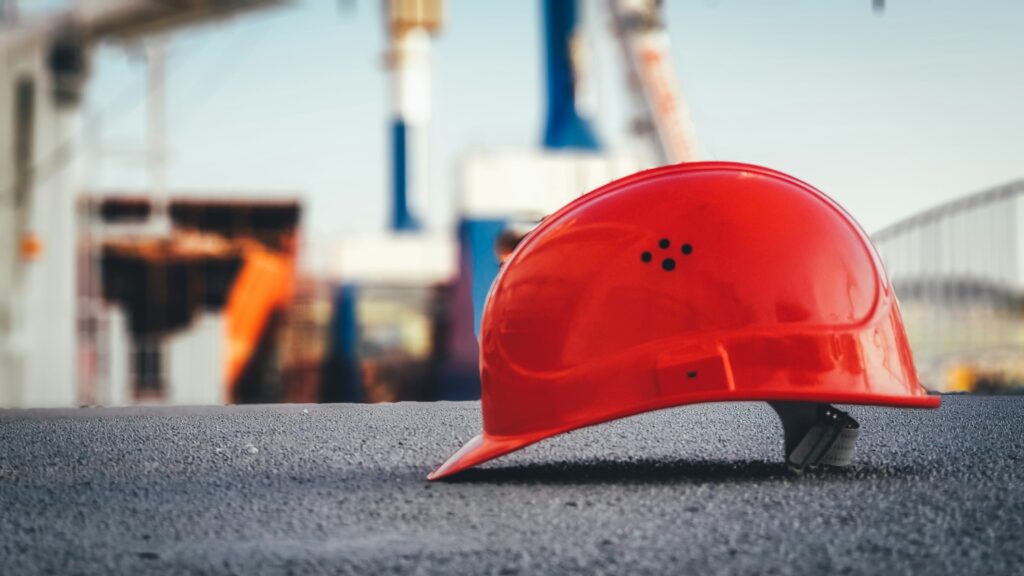
Working in the construction industry is, unsurprisingly, not the safest of career paths. This, of course, has nothing to do with the prospects offered by such career paths – construction being a backbone industry for the UK, and a multi-faceted industry in which to build highly valuable knowledge and experience. The risk is not professional in the broad sense, but in a specific sense: construction sites, on which you may well spend a vast majority of your working time, are not safe environments.
It is for this reason that construction is also one of the more heavily-regulated industries with respect to workplace health and safety. The sheer volume of risks inherent to the average commercial building site is proof enough that such regulation is necessary; knowing your way around these regulations, and around safe practice on-site, is crucial not just to your career progression, but also to the safety of yourself and those around you.
1. Know Your Legal Duties And Workplace Rules
With this in mind, it’s helpful to start with the legal and regulatory expectations behind active construction sites, and those responsible for them. The Health and Safety Executive is the regulator for Great Britain’s construction industry (amongst others), and the authoritative source of knowledge with respect to building safety regulations, workplace health and safety practices and beyond.
There are a few key legislative acts that cover the responsibilities of workers and employers in construction, chief amongst which is the Health and Safety At Work Act 1974, a foundational act that introduced many of the core health and safety rights most employees enjoy today. When lives are on the line – 35 of which were avoidably lost in the construction industry in 2024/25, adhering to these regulations matters.
2. Plan, Prepare And Inspect – The Foundation Of Safe Work
So, how do you take your learnings from health and safety regulation and apply them directly to on-site safety? The trick is, naturally, planning. Site safety regulations require that risk assessments are conducted for on-site hazards, around which employee briefings and site inductions can be planned. Equipment benefits from rotating and regular inspections to minimise risk of avoidable failure.
3. Operate Equipment Safely
Construction requires the use of dangerous industrial machinery and vehicles, including hydraulic lifting equipment. Anyone entrusted with operating such machinery needs to be trained and competent, as well as the machinery itself inspected and maintained regularly. Without careful consideration towards each of these fundaments, it’s vastly more likely that someone is grievously injured on site, and a machinery accident claim opened against the contractor responsible.
4. Build A Safety Culture And Respond To Issues Quickly
Fundamentally, as someone hoping to rise in the ranks as a construction industry professional, it is in your best interest to promote best practice in colleagues and direct reports. This means curating a culture of safety, whether through ongoing supervision, reporting unsafe conditions, or prompt corrective action.