

Urgent warning over April cost crunch for small businesses
- Small businesses are facing unparalleled cost pressures, including business rates bills and employment costs and darker days look just ahead
- FSB calls on the Chancellor to help stem the tide of the rising bills due in April.
The Federation of Small Businesses (FSB) is sounding an alarm bell ahead of a looming cost crunch in April that could push many small firms to breaking point.
In less than two months, spiralling employment costs and changes to Statutory Sick Pay will all rise at a record pace, due to Government decisions. This could lead to closures, stalled growth and fewer entrepreneurs willing to start up a business – unless urgent action is taken.

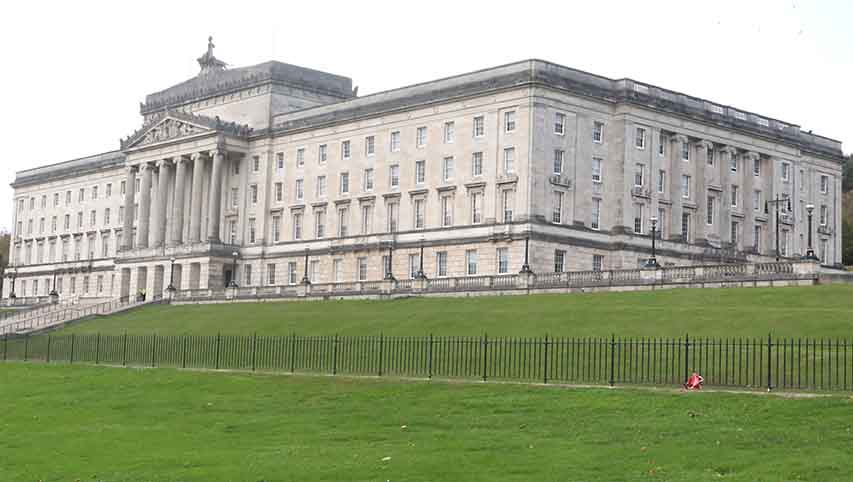
March’s Spring Forecast is the Government’s last chance to act before the new costs surge in April. FSB has written to the Chancellor, calling for her to protect the UK’s 5.7 million small businesses and self-employed people from these unparalleled cost hikes.
What’s rising in April and what can Government do to help?
- One of the biggest costs for small employers is the price of labour – driven by increases in the National Living Wage (NLW) and rising employer National Insurance contributions (NICs). Despite the increased Employment Allowance offsetting some of the cost, April will see further rises in the NLW, pushing up employers’ National Insurance bills.
A small employer with nine staff on NLW has seen their annual employment costs rise by £25,850 between January 2025 and April 2026 – equivalent to the cost of an additional staff member. The same business’s employer national insurance bill over that period would have increased by £4,400, or 46%. The Government should uprate the Employment Allowance so it continues to cover the employer NICs costs of four employees on NLW.
- Statutory Sick Pay (SSP) costs will jump from April, with all employees becoming eligible and payments starting from day one of sickness. FSB analysis finds this will add around £110 a year for every worker on the minimum rate. Introducing a SSP rebate for small and medium employers would mitigate the cost impacts of changes.
- From April, dividend tax rates will rise by two percentage points, taking the basic rate to 10.75% and the higher rate to 35.75%. For company directors, this means lower take‑home pay, as many rely on a mix of salary up to the personal allowance limit and dividends to withdraw income efficiently. We urge Government to defer the increase of the basic rate until April 2027.
- Business owners will also face compulsory Making Tax Digital compliance and increases in fees from Companies House.
FSB Policy Chair Tina McKenzie said: “April’s impending cost crunch will make running a small business in the UK more expensive – and that has real consequences.
“It will push already‑struggling small firms past breaking point, deter would‑be entrepreneurs from setting up in business as the numbers no longer stack up, and put the brakes on the small business growth the economy depends on.
“Small businesses are resilient – but they are not invincible. They simply cannot go on absorbing endless cost increases.
“The local greengrocer who has been serving the community for 60 years, the tech start-up that wants to expand and the garage that employs dozens of staff including apprentices – they will all be feeling the pressure and have to make tough decisions off the back of it.
“Many of these hardworking businesses have already been forced to increase prices, lay off staff, or cancel expansion plans.
“Next month’s Spring Forecast is the last chance to take action before the new costs surge.