



THE big news that came from County Down earlier this spring was that, for the firstxa0time, a red kite which has been born and reared here in County Down has beenxa0confirmed breeding reports RSPB Red Kite Officer xa0Adam McClure
Although red kites have bred successfully in Northern Ireland sincexa02010, up until now, all breeding birds have been from the 80 wild-born kites which were brought over from Wales and reintroducedxa0between 2008 and 2010.
It hasn’t been until this year, when Brown/White 34 (its bird name) was found toxa0have bred at a site on the southern edges of the Mournes, that thisxa0milestone has been confirmed.
[caption id="attachment_34468" align="alignleft" width="400"]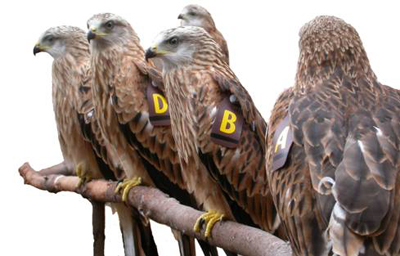 Young red kites pictured in Wales prior to being taken over to County Down.[/caption]
Even better news was that his mate, Pale blue/White Z, is a birdxa0which had originally been released in Wicklow as part of the reintroduction by our project partner, the Goldenxa0Eagle Trust. It was great to finally nab one of their birds!
Back at the start of March, it appearedxa0as though White Z had paired up with a different male, Blue 25, and thexa0two were holding a territory in a wooded valley near Rostrevor.
Following the ‘big snow’, however, it emerged that White 34 was the preferred mate of choice and on 9 April, Ixa0saw White Z dropping into a newly constructed nest in a large oak tree.xa0She was first recorded sitting ten days later on 19 April, although a third bird, which turned out to be Blue 25,xa0continued to reside in the same valley.
The continued presence of Blue 25 within their territory caused a bit of a nuisance for White Z and White 34 andxa0the two were regularly recorded leaving the nest unattended to chase him off when he got too close.
By the end of May, the pair were spending longer and longer off the nestxa0and by the start of June they appeared to have abandoned their breedingxa0attempt altogether.
In early June, knowing they had abandoned the nest, I accessed the nest to see ifxa0there was any sign of eggs or evidence of why they may have given up.
As I reached the nest and peered over the side, I was delighted toxa0discover they had, at least, managed to lay a single egg.xa0The pair built a fantastic, text-book kite nest, lined with wool andxa0constructed in the fork of the tree. It’s not uncommon for birds of prey toxa0fail at their first breeding attempt, perhaps due to a mix of inexperiencexa0and youthful exuberance. The fact they managed to get to the egg stagexa0means I have big hopes for them next year and that 2014 will bring themxa0more success.
Northern Irish Kite Breeds For First Time
Northern Ireland Red Kites is the first species reintroduction in Northernxa0Ireland and part of an All-Ireland project to bring back these wonderfulxa0birds to our shores.
Project partners are the Welsh Kite Trust, the Golden Eagle Trust and thexa0Royal Society for the Protection of Birds.
Five kites found dead
Sadly, since January this year, we have recovered five dead red kites in Countiesxa0Antrim and Down. Three of the birds were breeding adults and were all locatedxa0within a small geographical area of the same valley near Castlewellan. Two ofxa0these were males which had successfully bred in previous years and the third wasxa0a female, recovered dead on her nest during routine nest visits to monitorxa0productivity and ring and wing-tag chicks.
The other two birds were juveniles with Red 56 being recovered near Rathfriland inxa0early April and Yellow 1D being found by hillwalkers near Larne in Co. Antrim inxa0mid-August. In a cruel twist, Yellow 1D was the offspring of Blue 12, one of thexa0adults found near Castlewellan, meaning that not only have we lost a successfulxa0breeding male we have also lost a potential future breeding bird.
These deaths represent approximately 30% of the known breeding population ofxa0red kites in Northern Ireland and is a devastating blow to Northern Ireland Red Kites. Having gone two years with noxa0recorded incidents, this rise in deaths is very worrying, especially the concentration of incidents near Castlewellanxa0and we are working closely with PSNI to establish what has happened andxa0prevent any further cases such as these.
Emma Meredith, PSNI wildlife liaison officer, said: xa0“Police take wildlife crimexa0seriously and if it is found that there is a breach in the legislation then theyxa0will investigate.xa0Currently police have requested tests on the birds reported to identify thexa0cause of death.
“Anyone who suspects a crime and/or has information about the deaths ofxa0the birds is asked to contact the Police Service of Northern Ireland on 0845xa0600 8000 or anonymously through Crimestoppers on 0800 555 111.”
Information on the safe use of rodenticides is available by calling RSPB NI onxa0028 9049 1547.
First Wild WTE Chicks In 110 Years
There has been great news from our project partner, the Golden Eagle Trust. Two wild White-tailed Eagle chicks have successfullyxa0fledged in Ireland for the first time in over 110 years.
Three pairs of WTE attempted to breed in Counties Kerry and Clare this year. One pair failed during incubation andxa0another, which nested in Killarney National Park, hatched at least one chick. Sadly, shortly before it was due toxa0fledge, the chick died as a result of the nest collapsing, most likely due to the nest material (vegetation, sods andxa0dead branches) dried out and shrinking during the long, dry spell of weather in July.
The third, and successful pair, nested at Mountshannon in Co. Clare. This is the same pair which made history inxa02012 when they nested for the first time, although they failed to hatch chicks during that attempt.
The two chicks are expected to stay around the islands andxa0western shoreline of Lough Derg, until sometime in the autumnxa0when they will leave their parents’ territory and begin a 3-4 yearxa0nomadic life before settling on their own separate territories andxa0attempting to breed themselves.
.
]]>