



Pregnant women who come into close contact with sheep during lambing or other farm animals that are giving birth, may put themselves and their unborn child at risk of contracting an infectious disease sometimes carried by these pregnant farm animals.xa0 Some of these diseases can cause an abortion in people.
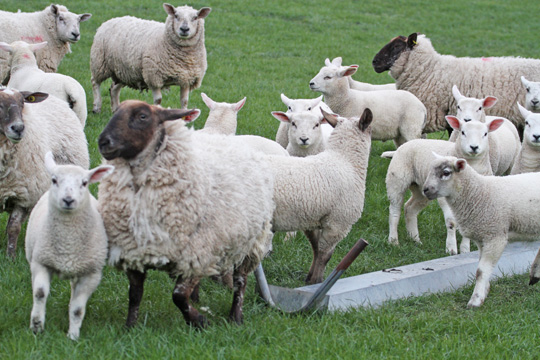
The Department of Health (DoH), Department of Agriculture, Environment and Rural Affairs (DAERA)xa0and the Health and Safety Executive NI, along with authorities in England, Scotland and Wales have issued annual advice for a number of years that women who are or may be pregnant should avoid animals that are giving birth or have recently given birth.
Dr Michael McBride, the Chief Medical Officer said: “It is important to note that these risks are not only confined to the spring (when the majority of lambs are born), nor are the risks only associated with sheep; cows and goats that have recently given birth can also carry similar infections.
“Although reports of these infections are extremely rare, it is important that pregnant women are aware of the potential risks and take appropriate precautions.”
Although the number of human pregnancies affected by contact with an infected animal is extremely small, it is important that pregnant women are aware of the potential risks and take appropriate precautions.
These risks are not only associated with sheep, nor confined only to the spring (when the majority of lambs are born). Cattle and goats that have recently given birth can also carry similar infections.
To avoid the risk of infection, pregnant women should:
*xa0 not help ewes to lamb, or provide assistance to a cow that is calving or a nanny goat that is kidding;
*xa0 avoid contact with aborted or new-born lambs, calves or kids or with the afterbirth, birthing fluids or materials (for example bedding) contaminated by such birth products;
*xa0 avoid handling (including washing) clothing, boots or any materials that may have come into contact with animals that have recently given birth, their young or afterbirths. Potentially contaminated clothing will be safe to handle after being washed on a hot cycle;
*xa0 ensure contacts or partners who have attended lambing ewes or other animals giving birth take appropriate health and hygiene precautions, including the wearing of personal protective equipment and clothing and adequate washing to remove any potential contamination.
*xa0 Pregnant women should seek medical advice if they experience fever or flu-like symptoms, or if they are concerned that they could have acquired infection from a farm environment.
Farmers and livestock keepers have a responsibility to minimise the risks to pregnant women, including members of their family, the public and professional staff visiting farms.