
Down News Facebookers Talk On Their Town

A selection of ideas about what is needed in Downpatrick

I asked the people of Downpatrick how they thought they could improve their town. The replies on the Down News Facebook Page came in thick and fast and there were a wide variety of suggestions.

Therefore, I have broken then down into sub-sections so that you can all see the results which are very interesting. And I have anonimised the responses in this article so you may see your idea reflected here. Some ideas were shared by a number of people.

So, in no particular order, objectively, here the results are below.

Scratching the surface:

Quite a few people said that they did not want to see any more nail bars, barbers or kebab shops in the town.

The Infrastrtuctural Issues:

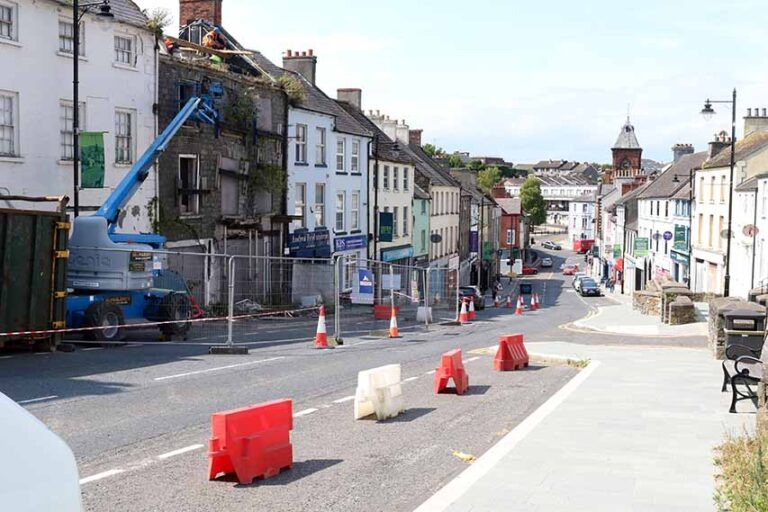
The empty shops and derelict buildings seem to be a constant anxiety for many local people, and one comment suggested a shopping mall such as the Banbridge Boulavard might be a good idea. But there was a feeling that those empty shops needs to be filled or tidied up to improve the look of the town.

Dereliction is a big problem and it seems to create a very negative impression for Downpatrick. And there are quite a few old building involved.

With an eye on some of these, issues the Downpatrick Regeneration Working Group is trying to achieve a number of projects that are expected to improve the quality of life in Downpatrick

One big issue was unhappiness with the traffic flow system and the state of the roads in and around Downpatrick. There are bottlenecks, potholes etc etc and ultimately it rests with the Department of Infrastructure to address this.

And comments also sugested free parking which appears to be a bone of contention in Downpatrick where other communities (and shops) seem to benefit from free parking or reduced parking fees while Downpatrick faces fees and traffic wardens hounding motorists.

And the issue of the closure of the Downe A+E was quite prominent in the comments, many people calling for its re-opening. When this closure is combined with other factors, it does lower the self-esteem and confidence of the community and there is a deep frustration still over this matter.

There seems to be a specific traffic issue at the light at the top of St Patrick’s Avenue where cars parking on double yellow lines are blocking the traffic flow sometimes.

A number of specific ideas came up such as creating a separate MX track to keep young bikers off the roads, a dog park and an intensified campaign to reduce the amount of dog poo on the streets. A few comments suggested going green with window boxes and hanging baskets to brighten up the town, a floral approach.
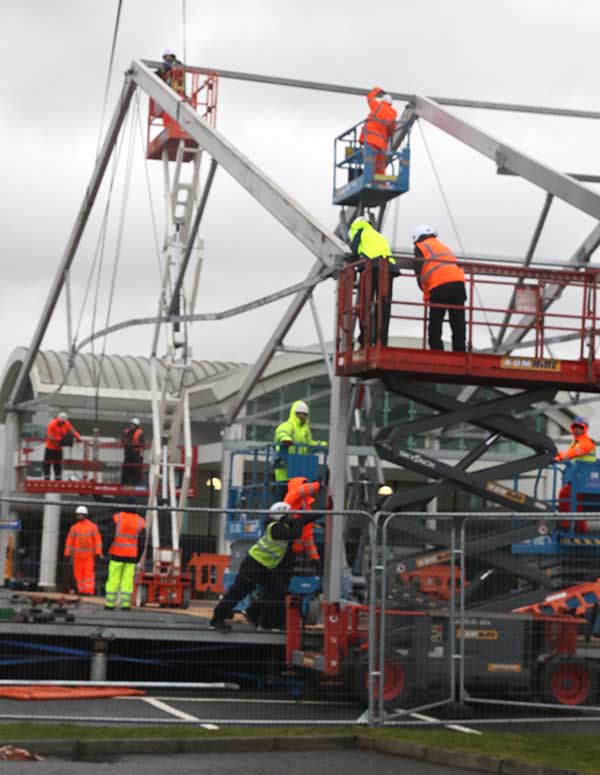
All hands to the pump: workers piece together the new temporary Asda store in Downpatrick facing the old store following the 2023 flood and subsequent damage. (Photos by Jim Masson/Down News).

One suggestion even said a safari park would be a good idea. There are a couple alpaca centres in the area, open farms, and the Mount Panther centre already ongoing.

Generally, responses felt that the town should be ‘tidied up more’. One comment says Downpatrick needs a ‘lick of paint’ to freshen it up.

Night Time Economy

There were a few calls for more restaurants in Downpatrick that open in the evening to off-set the drop in in the night time economy. And even an outdoor area where people can sit on a summer evening and enjoy a coffee! The St Patrick Centre has a garden space upstairs beside the cafe which might tick this box.

A hotel also figured in the responses, saying it would be good for tourism and attracting tourists and visitors. Currently, Denvir’s Hotel provides 15 beds and runs a restaurant and bar. One suggestion said there could be more B&Bs too to attract people to the area.

There is a general feeling that Downpatrick dies off at 5pm.

There was also concern at the lack of facilities for teenagers and suggestions of a bowling alley were mentioned.

The closures of businesses around the Downpatrick cinema were also concerning and there were calls for a ‘Funkey Monkeys’ styled business to set up.

Businesses Struggling

High rents and rates seem to be a bone of contention and this would deter future business development.

Shop Local campaigns run by Newry Mourne and Down District Council have been ongoing, and the Council also supports regular Saturday markets in St Patrick’s Square run the Downpatrick Community Collective.

More needs to be done to promote the heritage of St Patrick which could be a bigger flagship for tourism on the global market. (One commentator said this could be a ‘goldmine’.)

A couple of focussed business people did say that a Downpatrick Chamber of Commerce would be a useful exercise as it could hold various agencies and bodies to account. And on the back of this, there were comments suggesting a dissatisfaction with politicians at different levels and local council in its regard to Downpatrick.

Also, for businesses and people who don’t do online banking, a banking hub was suggested as an option. This appears to be operating in Kilkeel when banks closed down. Downpatrick has seen 4 banks close in recent years.

Local Residents Call for More and Better Shops

By far the biggest category of responses was the call for improvements in local shops.

The list was quite extensive as to what they would like to see in Downpatrick:

dry cleaners, shoe repairers, kids shoe shop, clothes alterations. a health food shop, a pet shop, a big toy shop etc.

However, there were also significant demands for the big stores such as M&S (food hall), Tesco, Primark, Iceland, Peacockes, Harry Coprry, and Dunnes. There was a call for the Down Retail Park to accommodate some of the above to broaden the product range and variety in the shops available for local people who are faced with shopping in other towns.

Asda is currently rebuilding its new store after the 2023 flood which will be a bigger facility.

However, one commentator said that bringing in larger stores with have a downward effect on the small family-run shops, and the impacts of that need to be measured in the urban planning mix to prevent displacement.

Similar rural towns to Downpatrick such as Saintfield, Ballynahinch, Rathfriland, appear to have a balance of small shops and larger retail outlets but Downpatrick is more tenuous, but it lies equidistant from Belfast and Newry, and has a strong cultural and heritage dimension.

Miscellaneous Ideas

There were too some ideas that seem interesting and creative such as a recording studio which could be housing in the Down Arts Centre, and an airfield. Newtownards air field seems quite busy and it’s difficult to imagine how such an infrastructural project could benefit Downpatrick, possibly maybe as a destination for visiting St Patrick’s Country or the wider Mournes. Or maybe even a chartered flight to watch Liverpool or Man Utd on a Saturday afternoon. Could Bishopscourt Racing Circuit be re-purposed to accommodate? Just a thought!

But all ideas are good, but some are more useful than others.

***

Therefore, these ideas were just a brainstorming effort on part of Down News Facebook fans. The list is by no means definitive. It is just the thoughts and ideas of Downpatrick people. But you get a sense of their long-standing frustration and the state of their home town. Confidence and self-esteem may be low reflected in the inability of the community to find cohesion.

If Downpatrick is to find a new niche for itself going forward, it will have to agree on a clear vision of what is needed.

That will have to be agreed at grassroots community and business level, and also top-down at government level (regional and council), and there will need to be cross-party commitment to the process of shaping Downpatrick for the 21st century ahead.

But there is one factor I feel under-emphasised in the mix of ideas generated above, and that is the dynamo that should be working for the regeneration of Downpatrick, a Chamber of Commerce.

Thank you everyone for your contributions!

Jim Masson ©

***

RELATED POST: (2019).

Ballynahinch Firsts Enjoy Win Over Cork Con

Hinch Firsts redeem themselves with win over Cork Con

The AIL League,

Venue: Ballynacarn Park, Saturday 7th March 2026,

Reports by James Kirk,

Final Score: Ballynahich 1st XV 28 26 Cork Constitution.

Ballynahinch achieved a rare double over Division 1A titans Cork Constitution with a nail-biting bonus point victory at Ballymacarn Park on a perfect afternoon for enterprising rugby writes James Kirk.

Adam Craig made a late change with Bradley Luney starting on the bench and Kyle Gill moving into the second row while Reuben Crothers returned to the back row alongside Jon Rodgers and Josh Hanlon and young centres Quinn Armstrong and Matthew Booth continued in midfield.

Skipper Claytan Milligan enjoying the win. (All photos by JohnDickson/DicksonDigital ©).

Ballynahinch made all the early running with long spells of possession but failed to capitalise and eventually a couple of soft penalties allowed Con to kick their way up the park and attempt to maul their way over the line.

Stout defence from the home side stopped the maul but a quick transfer to the blind side winger was enough to send the visitors into the lead.

Con went further ahead after 30 minutes when they took advantage of more indiscipline by capitalising on a Ballynahinch yellow card and scoring from their second attack by working the ball quickly to the wide channels on a set play from a lineout.

Ryan Connolly on the charge.

Ballynahinch continued to dominate possession and territory with little reward until Conor Rankin intervened with two tries in three minutes as half time approached.

he full back dummied his way over after the ball was moved wide from a lineout and then glided in for a second after an initial burst up the left from Booth was recycled by the forwards and spun wide by Armstrong. Rankin converted both tries to see the sides level at the interval.

Cork Con regained the lead early in the second half when their scrum half burst though an undefended ruck and stepped his way over – a familiar defensive issue for the home side.

aron Sexton hit back with an excellent finish in the corner following fine work Rankin and Booth and when Rankin nailed the touchline conversion the scores were level heading into the final quarter.

Conor Rankin scores his first try.
Aaron Sexton scores in the corner.

Ballynahinch then put in a sensational defensive set on their own line to keep the visitors out and battled upfield via a couple of scrum penalties. When they won another penalty deep in the opposition 22 everyone in the ground assumed it would be dispatched into touch apart from Rankin who spotted replacement winger Daniel Bennet in space on the opposite touchline and found him with an excellent crossfield kick.

Bennet finished in the corner and Rankin’s conversion into the wind gave the locals a seven-point lead going into the closing stages.

Matthew Booth in action.

There was plenty of late drama as Ballynahinch struggled to regain possession and were pinned back in their own half. They conceded a try with just five minutes to go but the conversion was missed to keep them two points ahead.

A scrum penalty on half way saw Con attempt a penalty goal which was well short but Con piled on the pressure from the ensuing lineout and won another penalty after a high tackle.

The local supporters held their breath but the kick drifted wide and Ballynahinch celebrated a bonus point victory.

They retain a mathematical chance of a top four finish but will have to finish the season with another three bonus point wins and hope other results go their way.

All support welcome at UCD on March 21st.

Ballynahinch chasing silverware again

Saturday proved to be a very productive day with three trophies still to play for as the thirds, fourths and fifths won their respective semi-finals.

Jonny Shannon lead his resurgent thirds into the Crawford Plate Final as they defeated Harlequins 2 46-31, scoring eight tries in an excellent away performance. They play Omagh 2 away in the final on April 25th. The thirds have also surged up the league with five wins in their last six games and will hope to maintain their form all the way to the final.

The fourths booked a trip to Ravenhill for the third successive season as they continue to be the team to beat in the Forster Cup. Mike Evans and his crew were comfortable 33-17 winners over Omagh 4ths in a feisty encounter at Ballymacarn Park and play Academy 2 in the final on 25th April.

James McBriar and the mighty 5th XV booked their place in another McCambley Cup Final with a narrow victory at Malone and the holders will get the chance to avenge their defeat to Ballymena in the showpiece final two years ago when they meet again on April 25th at Ravenhill.

More News From Ballynahinch RFC

Ireland international and Ulster stalwart Rob Herring was presented with his club cap on Saturday by President Nigel Hamill in recognition of his achievements. Rob played for Ballynahinch in the AIL back in 2014 when he first arrived in the province and the club have been delighted to see our name beside his on international teamsheets over the years. He brought his Ireland jersey from the historic NZ tour in 2022 and presented it to the club.

Hinch President Nigel Farrell presents Rob Herring with a Hinch Honours Cap at the lunch before the AIL RD14 clash between Ballynahinch and Cork Con at Ballymacarn Park, Ballynahinch, County Down, Northern Ireland. John Dickson / Dickson Digital.
Clem Bassett was presented with the Spence Cup on Saturday in recognition of his outstanding contribution to the club over the past 45 years as player, captain, administrator and referee. The Spence family were in attendance and Clem received the cup from Emma at the pre-match lunch.

UUP Has Talks With Irish Foreign Minister

Ulster Unionist Party meet with Irish Foreign Minister, Helen McEntee

Party Leader Jon Burrows MLA, joined by Dr Steve Aiken OBE MLA, held a frank but constructive meeting today with the Irish Foreign Minister, Helen McEntee TD. The discussion focused on key issues affecting both jurisdictions, including defence concerns, legacy issues, and the future of institutional reform.

Commenting after the meeting, Jon Burrows MLA said: “Today’s meeting with Ireland’s Helen McEntee was a welcome introductory engagement for us both.

“It was constructive but firm, as we acknowledged that while we may not agree on everything, it is important to maintain good working relationships.

“I took the opportunity to emphasise that we are a committed partner for constructive work in the interests of Northern Ireland, and I stated that it was vital that both the UK and Irish Governments work cooperatively to ensure Northern Ireland citizens in the Middle East are kept safe.

Ulster Unionist Party MLA Jon Burrows has met with the Irish Foreign Minister to discuss a number of current issues.

“Steve and I pressed Helen McEntee on a number of challenges affecting good relations across these islands. We held a candid discussion on the need for the Irish Government to step up to the mark on security, particularly maritime interests that affect us all. Ireland can no longer rely solely on the Royal Navy to protect its waters and key infrastructure.

“It was encouraging to hear the Minister’s commitment to strengthening defence capabilities and working more closely with the UK and Europe.

“We made clear our desire to see institutional and operational reform of Stormont, in order to make our Assembly more effective. However, we firmly stressed that this is a Strand One issue to be discussed and resolved by Northern Ireland’s political parties alone.”

Jon Burrows added: “I also underlined the need for honesty from the Irish Government regarding its role in the Troubles, including recent claims by Michael McDowell of a de facto Troubles amnesty.

“The Irish Government must clarify whether this is true or not, and I will be formally writing to Minister McEntee demanding details of this alleged amnesty.

“Legacy remains the single greatest area of grievance between our two countries. Many victim families have empty chairs because of the actions of Irish citizens who launched attacks from the Republic.

“I pressed Minister McEntee for assurances that Irish investigatory units will fully cooperate with UK authorities. What is happening at present is not cooperation but frustration.

“It is also time for the Irish Government to do more on legacy.

“Dublin has consistently taken the position that the Troubles were nothing to do with them and that it was up to the UK Government to pursue truth, justice, and accountability for the many thousands killed or injured.

“The Irish Government has established no legacy mechanisms that would deliver truth, justice, or accountability.

“Yet we know that the Irish Government was complicit in aspects of the Troubles: their territory was used as a safe haven by terrorists who maimed and murdered UK citizens; there are long standing allegations of assistance with arms in the early 1970s; and we know they actively prevented the extradition of terrorists wanted in the UK, with a 97% failure rate.

“More must be done, and the fact that the Heads of Bill on legacy will not be presented to the Dáil until late April or May is simply unacceptable.

“As ever, I want to be a good neighbour, and I look forward to further constructive engagement with Minister Helen McEntee and her colleagues in the near future.”

DAERA Stocks Waters With Brown Trout

February Stocking Of Departmental Waters With Brown Trout

As the winter chills and heavy rains abate, the game season is now open and it’s that time of year to look out the angling gear and get out on the water.

Across Nothern Ireland there are many waters that are stocked by DAERA with brown and rainbow trout and if you have a license, you can fish away.

For details of the public angling estate and for information about licences, check out the links below.

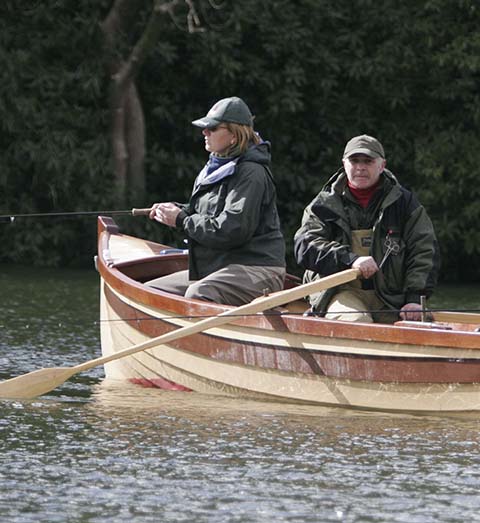
DAERA has stocked a number of public fisheries with brown trout.

The Department of Agriculture, Environment and Rural Affairs (DAERA) has stocked the following waters with takeable fish in February 2026. There were no rainbow trout stocked this month:

9 February – Middle South, Brown Trout, 1,000.

10 February – Lough Mourne, Brown Trout, 1,000.

11 February – Lough Mourne, Brown Trout, 500.

12 February – Killylane, Brown Trout, 500.

13 February – Altnahinch, Brown Trout, 1,500.

16 February – Castlewellan, Brown Trout, 1,000.

17 February – Moorlough, Brown Trout, 1,000.

18 February – Stoneyford, Brown Trout, 1,000.

19 February – Lough Cowey, Brown Trout, 1,500.

20 February – Lough Mourne, Brown Trout, 1,500.

23 February – Bellanaleck, Brown Trout, 1,000.

24 February – Brantry, Brown Trout, 1,500.

25 February – Castlewellan, Brown Trout, 1,500.

26 February – Lough Mourne, Brown Trout, 1,500.

Details on recent fish stocking can be found on the nidirect website at: 

https://www.nidirect.gov.uk/articles/2026-fish-stocking-figures

Further information on all aspects of angling is available on the nidirect website at: 

https://www.nidirect.gov.uk/angling

    Muir Opens Conversation On Draft Rural Policy

    ‘Let’s Talk Rural’: Minister Muir Opens Consultation on ambitious Draft Rural Policy

    • Do you think rural County Down gets a fair deal in its rural policies ? Are we we being left behind ?

    DAERA Minister Andrew Muir has launched a public consultation on a new draft long-term rural policy.

    Rural NI: Our New Approach 2026-2041 is a new draft policy that aims to understand, champion and support rural communities.

    Developed through an intensive co‑design process involving government departments, local councils, voluntary and community organisations and academic partners, the draft policy places rural voices and lived experiences of rural communities at its core.

    The 15-year policy sets out five strategic proposals aimed at bringing people and government together to help shape a thriving, sustainable and inclusive rural Northern Ireland.

    The policy is guided by clear criteria to ensure it is fair, effective, delivers good value for money and can be implemented in practice.

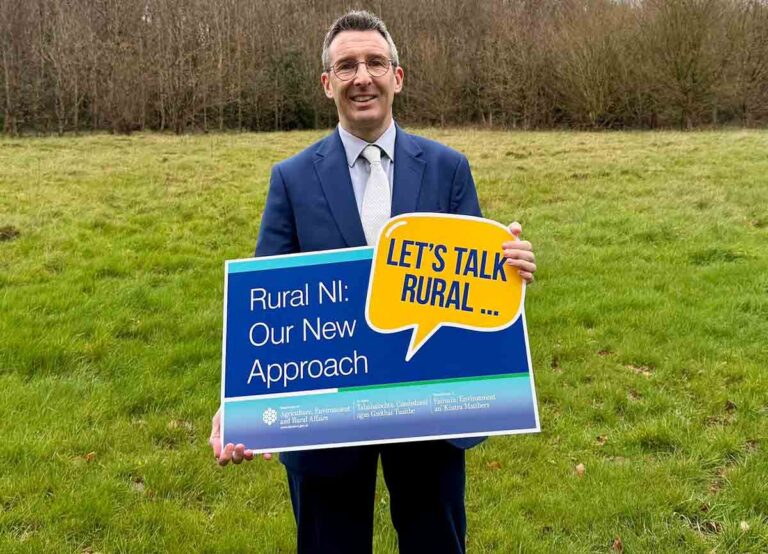
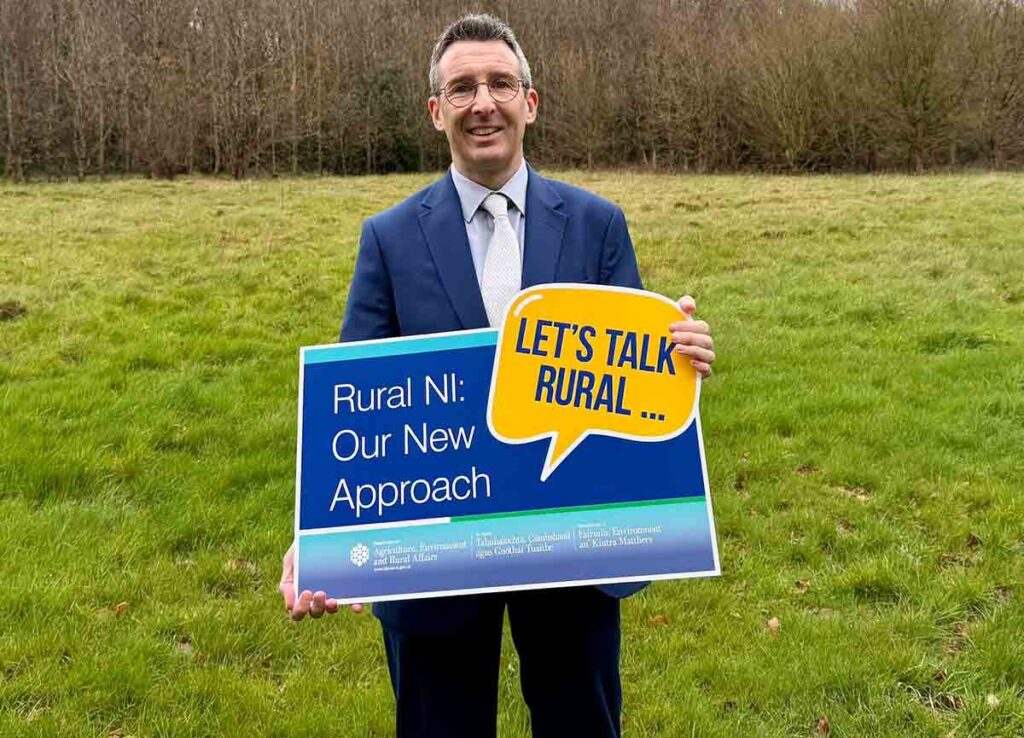
    DAERA MInister says let’s talk rural’. He is looking to open the conversation for the rural policy consultation now open.

    It supports collaboration across government, respects the roles of all Northern Ireland departments and complies with the Rural Needs Act (Northern Ireland) 2016.

    Welcoming the launch of the public consultation, Minister Muir said: “This draft policy led by my Department is an approach to understand, champion and support rural communities. It aims to reflect the diversity of rural areas and the experiences of those who live and work in them.

    “The proposals seek to identify how people and government can work together to address the challenges and opportunities that face rural communities and highlight the need for coordinated action to support improved outcomes.”

    Minister Muir added: “I want everyone to talk rural.

    “Contributions from individuals, community groups and sector representatives will play a vital role in refining the proposals and informing future decisions.

    “Together, we can unlock the full potential of rural Northern Ireland.”

    The consultation is available at: 

    https://www.daera-ni.gov.uk/consultations/rural-ni-our-new-approach.

    Closing date for responses will be: 23:59 on 1 June 2026.

    Safeguarding Training Day For Home-Start

    Home-Start Down District volunteers and staff enjoy safeguarding training session

    Home-Start Down District hosted a successful Safeguarding Training Day on Wednesday 4th March at Frenchies, Clough, bringing together 35 volunteers and staff from across the district.

    The event highlighted the vital role safeguarding plays in supporting families, with a clear message throughout the day: keeping children safe is everyone’s responsibility.

    Volunteers of all ages and backgrounds took part in the training, reflecting the diverse range of support they provide each week.

    Volunteers and staff at Home-Start Down District at their safeguarding training session held at Frenchies restaurant in Clough on Wednesday 4th March.

    Their roles include assisting families in their own homes, helping at group sessions, and supporting the charity’s shop in Newcastle, which raises essential funds to help their local services.

    The training was led by Manager Imelda Hynds and Senior Organiser Sharon Robson. Sessions explored lessons from recent safeguarding scandals in England and considered how these insights can strengthen local safeguarding practice.

    Alongside the learning, the day included a variety of team-building activities such as speed-dating and bingo, as well as refreshments and opportunities for volunteers to connect and share experiences.

    Manager Imelda Hynds said: “Training days like this are so important.

    “They give volunteers the chance to come together, explore important issues, have some fun and be recognised for the amazing contribution they make to families right across the district.”

    Home-Start Down District will begin a new volunteer preparation course in April and is encouraging anyone interested in supporting local families to get involved.

    For more information or to express interest in volunteering, please email:

    [email protected]

    FCL vs LCL: Differences, Costs, and How to Choose the Right Shipping Method

    0

    Global trade just doesn’t work without shipping containers. Most stuff – like laptops, jeans, heavy machines, or that old couch – travels sealed inside metal containers while crossing seas. When sending things abroad, a hard choice shows up: FCL or LCL? This isn’t just a minor detail in your freight quote, although you can use a freight calculator to compare the price difference. This choice decides the speed at which your items arrive, what you’ll pay, how much paperwork you’ll fight with, how safe your shipment is, and even how much attention customs gives you.  

    It doesn’t matter if you’re running a tiny business with a single pallet or you’re used to shipping truckloads every week – it is necessary to understand FCL vs LCL. So, before punching figures into that load calculator meant to save space, cut fees, maybe keep things safe – pause. This article shows what really happens when you pick one method over another, guiding your choice, whether sending or receiving goods. 

    Photo by Venti Views on Unsplash

    What is FCL? 

    FCL stands for Full Container Load. Pretty straightforward. With FCL, you get the whole container to yourself, so no sharing. The container gets sealed at the start and usually stays that way until it lands at your (or your customer’s) door. Common FCL container sizes include 20-foot container (20’), 40-foot container (40’), and 40-foot High Cube (extra tall for oversized or bulky stuff). Here’s the catch: you pay for the whole container, whether you pack it full or just send a few pallets. 

    FCL: How It Works 

    1. You book the entire container. 
    1. The container shows up at your warehouse (or you send your cargo to the port). 
    1. Your goods get loaded, then the container’s sealed. 
    1. Off it goes to the port, then onto the ship. 
    1. At the destination, it is delivered directly to the consignee or warehouse. 

    Nobody else’s cargo mixes with yours. That’s a big plus and the main advantage of this option.  

    What is LCL? 

    LCL means Less than Container Load. If your shipment isn’t big enough to fill a whole container, LCL lets you pay just for the space you use. You share the container with other shippers. The cost is usually based on how many cubic meters (CBM) your cargo takes up. 

    LCL: How It Works 

    1. You send your goods to a consolidation warehouse. 
    1. The freight forwarder groups your shipment with others to fill a container. 
    1. The packed container ships out. 
    1. When it arrives, it heads to a deconsolidation warehouse, where they split everything up. 
    1. Your part gets delivered to the consignee or warehouse. 

    With this option, additional handling steps are required. That can mean longer transit times or a bit more risk. 

    FCL vs LCL: What Really Matters 

    Let’s get into the practical stuff. There’s more to this decision than just how much you’re shipping. 

    Total Cost 

    With FCL, you pay a flat rate per container.  The price covers ocean freight, port fees, documents, and inland trucking. If you’re moving a lot, FCL is usually cheaper per unit. 

    With LCL, you pay per cubic meter (CBM) or by weight—whichever’s higher. There are extra fees for packing everything together and then splitting it later. It is good for small shipments, but once you hit a certain volume, it gets pricey fast. 

    Most people say once you’re shipping around 12–15 CBM, FCL starts to win on price. However, one should keep in mind that markets, seasons, and routes can shift that line. 

    Transit Time 

    Speed isn’t just about the ship’s journey. When you choose FCL, your container gets loaded and shipped directly. This means fewer stops and less handling. Accordingly, this option is usually faster and more predictable. 

    When you go for LCL, your cargo waits to be grouped with others. At the destination, it waits again to get split up. More stages mean more chances for delays. 

    If you’ve got a tight deadline, FCL’s usually the safer bet. 

    Cargo Safety 

    This is a big one. If you want a lower risk of damage or things going missing, you should go for FCL. In this case, a container gets sealed after loading, and hardly anyone touches your stuff.  

    Shipping using an LCL container has higher odds of things getting shifted, broken, or misplaced. After all, you’re sharing space with others. The content goes through more handling, more loading and unloading. 

    If your cargo is fragile, expensive, or sensitive, FCL gives you better peace of mind. 

    Risk of Delays 

    With LCL, one shipment’s hiccup can impact everyone in the container—customs holds, paperwork issues, or someone sneaking in hazardous goods. 

    With FCL, your shipment’s on its own. If someone else has a problem, it doesn’t slow you down. 

    Documentation and Customs 

    Getting your documents ready matters whether it is full or shared container shipping – include a bill of lading, an invoice for the goods, a detailed packing sheet, and possibly some certifications too. When space is split with others, extra steps pop up simply because multiple shippers touch the same box. 

    Ocean FCL vs LCL: Cost Comparison in Real Scenarios 

    Scenario 1: 

    Picture this: you’ve got a 5 CBM shipment. If you go with LCL, you pay by the cubic meter, so it’s cheaper. FCL means paying for the whole container, which doesn’t make sense here. LCL wins. 

    Scenario 2:  

    With an 18 CBM shipment, it flips. LCL costs add up fast, while FCL’s flat container rate often works out cheaper. So, in this case, FCL is usually the smarter pick. 

    Remember, prices swing with the market—peak season, fuel prices, port delays, and even world events. Always compare quotes before you decide. 

    Key Business Considerations That Go Beyond Container Size 

    First of all, there are hidden costs to consider that are not obvious when looking just at the base ocean freight rate. You’ve got terminal handling charges, documentation fees, customs clearance, warehouse handling, demurrage and detention, and inland transport to think about. Fees at loading and unloading spots often climb higher with LCL shipments. When going full container, watch how long it stays idle – delays at the dock mean charges add up quickly. 

    Businesses should also think about how easily they can adjust day-to-day operations. One shipper, one receiver, one seal – that’s what makes FCL straightforward. Juggling moves comes into play with LCL, since sharing space means syncing up with others who control the timeline. Schedules set by a freight aggregator add layers of coordination. Storage deadlines grow tighter when cargo shares room on a container. Businesses counting every hour in their stock flow often find smoother timing using full containers instead. 

    Even if everything seems fine, cargo insurance still matters. When shipping LCL, things get tricky – more hands touch your stuff, it mixes with other loads, and problems pop up more easily. For FCL, think about crashes, stolen items, or delays at ports. Someone moving freight might guide you on how much protection fits. Always better to be safe when boxes are far away. 

    Finally, keeping things sustainable really counts these days. When boxes are packed full, FCL works well. Instead of sending half-filled ones across distances, going LCL might help reduce waste. It turns out that how much space gets used inside a container weighs more than the choice itself. 

    How to Decide: A Practical Checklist 

    When choosing what to do, think about these things first: 

    1. What size does my cargo take up in cubic meters? 

    2. What’s the quickest you can get it here? 

    3. Fragile stuff – could it be worth a lot, too? 

    To make the final decision, ask yourself the following questions: 

    1. How big is my shipment (in CBM)? 
    1. How fast do I need it delivered? 
    1. Are my goods valuable or fragile? 
    1. What’s my budget? 
    1. How steady is my shipping schedule? 
    1. Can I deal with possible delays? 
    1. Do I want things as simple as possible? 

    When to Choose FCL 

    If you care most about speed, safety, and consistency, FCL is probably the best bet. Go with FCL if you’re shipping a lot—close to filling a container—or if you ship often and want a predictable schedule. It’s also the way to go for high-value or fragile goods, or when you need things to move fast and want less risk of damage. FCL makes supply chain planning easier, too. As businesses grow, they usually shift from LCL to FCL because it just fits better with bigger volumes. 

    When to Choose LCL 

    Starting with less cargo? LCL could fit better than expected. When trying out a new supplier, shipping smaller loads helps avoid big commitments. Keeping early expenses down matters, especially if funds are tight. Small businesses often find it easier to enter world markets this way.  There is no need to stockpile goods before knowing what sells. Spreading risk feels simpler when each shipment doesn’t weigh tons. Testing demand step by step turns out smoother this way. Global reach does not always require massive storage space. LCL skips the pressure to move large volumes from day one. 

    Final Thoughts 

    Truth is, deciding on FCL or LCL doesn’t mean one beats the other. It’s about what fits your business right now. If you’ve got a lot to ship, FCL gives you more control, better security, and gets things done faster. If you got smaller load, LCL is flexible and easier to access, especially if you’re just starting out. Most companies kick things off with LCL. When business picks up and shipments get bigger, they switch to FCL. That’s just how it goes. 

    When you really understand how FCL and LCL work, you’re in a much better spot. Prices drop when you plan ahead, hidden charges fade away, yet deliveries stay steady. Truth is, shipping stuff overseas means more than containers floating across water. It’s about planning ahead and making smart calls. If you know what you’re doing with FCL and LCL, you save money, avoid headaches, and set yourself up to win in global trade. 

    Finally, the industry is changing fast. Digital platforms, automated ports, and real-time tracking make things way more transparent these days. Carriers and logistics companies now offer online reservations, quick pricing, live shipment views, plus forecasts on arrival times. With these tools, picking between full container loads or shared space feels smoother than before. 

    Food Action Week Aims To Cut Waste

    Make Your Food go Fuuuuurther This Food Waste Action Week 9-15th March 2026

    • Food Waste Action Week is the flagship annual event delivered by WRAP’s Love Food Hate Waste, helping households develop practical habits to cut food waste at home.

    This year’s Food Waste Action Week theme ‘Make your food go fuuuurther: for your pocket, for our planet’ focuses on simple, practical everyday actions that help food go further, helping save money, reduce stress and protect the planet.

    Each year across the UK, 4.4 million tonnes of edible food is thrown away from households, generating 16 million tonnes of greenhouse gas emissions. The cost of this wasted food is estimated at £17 billion annually, equivalent to around £1,000 per year for a family of four.

    At a time of rising costs and climate pressure, reducing food waste is one of the fastest and simplest ways to support households and cut emissions – through a few simple everyday changes that give back both to your pocket and our planet.

    Newry Mourne and Down District Council Chairperson, Councillor Philip Campbell said: “We are proud to support Food Waste Action Week and the important message behind this campaign which runs from 9-15th March 2026.

    “With the rising cost of living continuing to impact many households, making the most of the food we buy has never been more important.

    “By taking a few simple steps – such as planning meals, storing food correctly and using up leftovers – households can save money while also helping to protect the environment.

    “Small changes can make a big difference, and this campaign provides practical tips that can help everyone make their food go further.”

    Dr Sam Hubble, Specialist for Food System Transformation at WRAP, said: “Eat what you buy and love every mouthful.

    “It’s a win-win: it’s saving money, it’s saving resources and it’s a simple thing that we can all do to save the planet. Food needs to go in bellies, not bins.”

    Food waste, collected locally in the Newry Mourne and Down District Council area in the brown bin, is sent to an in-vessel composting facility, where it is transformed into nutrient-rich compost and soil conditioner.

    This material can be used in our homes, farms and across our community, helping to support healthier soils and greener environments.

    By using your brown bin, you are helping to reduce landfill waste, cut greenhouse gas emissions and turn food waste into a valuable resource that benefits our local environment.

    For further information on what you can put in your brown bin visit the Council Website:

    https://www.newrymournedown.org/brown-bin

    www.lovefoodhatewaste.com

    Navigating Northern Ireland Roads with a Wheelchair User in the Family

    0

    Getting around Northern Ireland with a wheelchair user in the family requires careful transport planning. Standard vehicles often cannot accommodate wheelchairs, and public transport may not always provide reliable accessibility. Many households therefore rely on adapted transport options, including disabled care hire, when travelling together.

    Hiring an adapted vehicle is often the most practical solution. However, choosing the right vehicle requires attention to safety features, wheelchair compatibility, and route planning. These factors help ensure safe and comfortable journeys across Northern Ireland.

    Knowing what to check before booking makes the process much easier. From confirming wheelchair measurements to understanding vehicle layouts and safety systems, a few key steps help families prepare for travel with confidence.

    Photo by Steven HWG on Unsplash

    Legal Requirements for Transporting Wheelchair Users in Northern Ireland

    Adapted vehicles operating in Northern Ireland must meet MOT standards that apply to modified vehicles. Structural adaptations such as ramps, lowered floors, and restraint systems must be properly fitted and approved for road use.

    Wheelchair restraint systems secure the wheelchair frame using multiple tie-down points combined with a separate occupant safety belt. The restraints should attach directly to the wheelchair frame rather than removable components. When arranging wheelchair accessible vehicle hire with Allied Mobility, drivers should confirm that restraint systems are correctly fitted and suitable for the wheelchair being transported.

    Insurance requirements also require attention. Standard vehicle insurance policies do not always cover adapted vehicles or wheelchair passengers. Drivers should confirm that both the wheelchair user and the vehicle modifications are included within the policy.

    The Blue Badge scheme applies across Northern Ireland and provides access to designated accessible parking spaces. Drivers must also follow the Road Traffic (Northern Ireland) Order 1995, which includes rules related to passenger safety and vehicle roadworthiness. Additional guidance on accessible travel and disability rights is available through public information services for residents and carers across Northern Ireland.

    Vehicle Adaptation Options for Wheelchair Access

    Mobility cars for hire come in several configurations. The most suitable option depends on the type of wheelchair and the user’s mobility needs. Ramp access vehicles remain the most common option. These allow the wheelchair to enter the vehicle without lifting and reduce physical strain during loading.

    Lowered floor vehicles provide a gentler ramp angle and can improve accessibility for powered wheelchairs. Entry position also affects usability. Side-entry vehicles often work well in wider parking spaces, while rear-entry vehicles may be easier to use in tighter areas. Modern vehicle platforms are also designed to meet recognised Euro NCAP safety standards, which assess structural protection and passenger safety across different driving conditions.

    Interior layouts also vary between vehicles. Some adapted models allow additional passengers to travel alongside the wheelchair user, while others prioritise interior space for larger mobility equipment or powered chairs.

    Assessing Wheelchair Compatibility Before Hiring

    Before arranging any mobility vehicle hire, the wheelchair should be measured carefully. Width, length, and height all affect whether the chair will pass through the vehicle entry point and fit safely inside. Checking standard wheelchair dimensions helps confirm whether the vehicle interior and entry system will accommodate the chair safely.

    Weight capacity is another important factor. Ramps and lifts have maximum load limits, and exceeding these limits creates safety risks. Providers usually request these measurements before confirming a booking.

    The turning radius inside the vehicle also matters. Some wheelchairs require additional space to position correctly within the restraint system. Confirming these details in advance prevents complications during vehicle collection.

    Planning Accessible Routes Across Northern Ireland

    Cities such as Belfast, Newry, and Downpatrick provide accessible parking facilities, although availability varies between locations. Larger city centre car parks tend to provide more Blue Badge spaces, while smaller towns may have limited accessible parking.

    Road conditions also influence travel comfort in adapted vehicles. The A1 corridor between Belfast and Newry is generally well maintained, though rural roads across Down District may contain uneven surfaces. Checking road closures and diversions in Northern Ireland before travelling can help drivers plan safer routes and avoid unexpected delays.

    Accessible rest areas exist along major routes such as the M1 and A2, although signage may be limited. Planning rest stops in advance using accessibility mapping tools can make longer journeys easier to manage.

    Common Road Challenges in Down District

    Rural roads across Down District are often narrow and rely on passing places rather than full-width lanes. This can make it harder to stop safely when loading or unloading a wheelchair user. Drivers should plan routes that avoid the narrowest rural sections where possible and allow extra time for travel.

    Secondary roads across the district frequently show surface wear and potholes. These conditions may affect vehicle stability and passenger comfort during longer journeys. Local authorities continue to address these concerns through wider road safety campaigns in Northern Ireland that highlight the importance of safer driving conditions across rural routes.

    Coastal routes near Strangford Lough may also experience seasonal flooding after heavy rainfall. Temporary water on the road can disrupt travel and make certain routes difficult to use, so checking local road conditions before travelling can help prevent delays.

    Safety Protocols for Wheelchair Transport

    Correct wheelchair securing remains one of the most important safety steps before any journey. A four-point restraint system attaches to designated points on the wheelchair frame, while the passenger uses a separate safety belt positioned across the chest and lap.

    Pre-journey checks should include testing ramp or lift operation and confirming that all restraints lock correctly. Drivers should also ensure that the wheelchair brakes remain engaged while securing the tie-down system. Loose items inside the vehicle should be stored safely before travel begins.

    Drivers should also understand emergency procedures before starting a journey. Knowing how to release restraints safely and quickly is essential. Breakdown assistance providers should also be aware that a wheelchair user is travelling in the vehicle so appropriate assistance can be arranged if required.

    Travelling across Northern Ireland with a wheelchair user requires preparation, but the right planning makes journeys far easier to manage. Choosing a suitable adapted vehicle, confirming wheelchair compatibility, and understanding local road conditions all contribute to safer travel. When these elements are in place, families can move around the region with greater confidence and maintain reliable mobility in everyday life.

    Why Insurance Companies Need Specialised IT Support in 2026

    0

    The insurance industry is undergoing rapid technological transformation. From digital policy management and automated claims processing to AI-driven underwriting and cloud-based customer portals, insurers are becoming increasingly dependent on secure and scalable IT infrastructure. At the same time, regulatory pressure, cyber threats, and customer expectations continue to rise. In 2026, technology is no longer just a support function for insurance firms – it is a core operational pillar that directly affects profitability, compliance, and reputation.

    For this reason, IT support for insurance companies has evolved into a highly specialised service rather than a generic IT offering. Insurance providers handle vast volumes of sensitive personal, financial, and contractual data, making them prime targets for cybercriminals. They must also comply with strict regulatory frameworks, maintain uninterrupted access to critical systems, and ensure seamless communication between brokers, underwriters, and clients. Standard IT models often fail to address these sector-specific complexities.

    As insurers expand digital services and adopt hybrid work environments, the need for industry-focused IT expertise becomes even more critical. Specialised support ensures that infrastructure, cybersecurity, cloud systems, and compliance controls are aligned with the unique risk profile of insurance businesses. In the sections below, we will explore why tailored IT strategies are essential for insurance companies in 2026 and how they strengthen resilience, efficiency, and long-term growth.

    Insurance companies and cybersecurity risks

    Insurance companies remain one of the most targeted sectors for cyberattacks. The reason is simple: insurers store large volumes of highly sensitive data, including personal identification details, financial records, medical histories, policy documents, and claims information. In 2026, cybercriminals are no longer relying on basic phishing attempts – they are using ransomware-as-a-service models, AI-powered social engineering, and supply chain vulnerabilities to breach complex organisations.

    A single successful attack can disrupt underwriting systems, freeze claims processing, expose confidential customer information, and trigger regulatory investigations. The financial impact goes far beyond immediate recovery costs. It includes reputational damage, customer churn, regulatory fines, and long-term trust erosion.

    Key cybersecurity risks facing insurance companies include:

    • Targeted ransomware attacks on claims and policy management systems
    • Data breaches involving client and broker information
    • Insider threats and privilege misuse
    • Third-party vendor vulnerabilities
    • Cloud misconfiguration leading to unauthorised access

    Specialised IT support helps insurers implement multi-layered security strategies, including advanced endpoint protection, zero-trust architecture, encrypted communications, continuous monitoring, and incident response planning tailored specifically to insurance operations.

    Without industry-focused expertise, even well-funded organisations can leave critical gaps in their defence systems.

    Compliance and IT support for insurance companies

    Regulatory compliance is one of the most complex operational challenges for insurers. In the UK and across Europe, insurance providers must meet strict standards related to data protection, financial conduct, operational resilience, and reporting transparency. These requirements are not static – they evolve continuously, requiring ongoing system adjustments and documentation controls.

    Unlike general businesses, insurance companies operate under heightened scrutiny from regulatory bodies. IT infrastructure must support audit trails, secure data storage, access controls, disaster recovery protocols, and reporting capabilities that align with regulatory frameworks.

    Key compliance-driven IT requirements include:

    1. Secure storage and encryption of customer data
    2. Role-based access controls and identity management
    3. Automated logging and monitoring of system activity
    4. Business continuity and disaster recovery planning
    5. Secure remote access for hybrid work environments

    TIP: Insurance firms should conduct regular IT compliance audits, not only to meet regulatory obligations but to proactively identify infrastructure weaknesses before they become liabilities.

    Specialised IT support for insurance companies ensures that compliance measures are embedded directly into system architecture rather than added as reactive fixes. This proactive approach reduces operational risk while improving overall governance and transparency.

    Insurance IT infrastructure and system reliability

    In the insurance sector, system downtime is more than an inconvenience – it directly affects revenue, regulatory compliance, and customer trust. If policy systems, CRM platforms, or claims management tools become unavailable, brokers cannot issue policies, claims handlers cannot process cases, and customers lose confidence in the provider’s reliability. In 2026, uninterrupted access to core systems is non-negotiable.

    Insurance companies rely on interconnected platforms that must operate seamlessly: underwriting software, document management systems, accounting tools, secure communication channels, and cloud-based data storage. Any weak link within this infrastructure can create cascading operational failures.

    Below is a simplified comparison of traditional IT models versus specialised insurance-focused infrastructure:

    AreaGeneric IT SetupSpecialised Insurance IT
    System monitoringBasic reactive monitoring24/7 proactive monitoring with risk alerts
    Disaster recoveryStandard backup schedulesTested recovery plans aligned with regulatory timelines
    Data access controlGeneral user permissionsRole-based access tailored to insurance workflows
    Performance optimisationBroad optimisationTuned for underwriting and claims platforms

    TIP: Insurance firms should test disaster recovery plans at least annually under realistic scenarios to ensure systems can be restored within acceptable recovery time objectives.

    By implementing resilient, insurance-specific infrastructure, companies reduce downtime risk, improve performance consistency, and maintain operational stability during peak periods or unexpected disruptions.

    IT solutions for insurance industry

    The digital evolution of insurance demands more than technical maintenance – it requires strategic implementation of advanced IT solutions that align with industry workflows. From AI-assisted underwriting to automated claims processing and secure cloud migration, insurers need technology that enhances efficiency without increasing risk exposure.

    Modern IT solutions for insurance industry operations typically include:

    • Secure cloud infrastructure with regulatory-compliant configuration
    • Advanced cybersecurity frameworks with continuous threat monitoring
    • Integrated CRM and policy management systems
    • Encrypted communication tools for brokers and clients
    • Scalable infrastructure to support business growth

    Specialised providers understand how to align these systems with insurance regulations and operational demands. Companies looking to strengthen their technology framework can partner with experienced providers such as Supporttree, which delivers tailored IT solutions for insurance industry environments designed to improve resilience, security, and performance without disrupting daily operations.

    By adopting structured, industry-focused IT strategies, insurance companies position themselves to innovate confidently while maintaining strict control over data security and compliance requirements.

    Cloud solutions for insurance companies

    Cloud technology has become a central pillar of digital transformation in insurance. However, moving sensitive policyholder data and underwriting systems to the cloud requires far more than a simple migration. Insurance companies must balance accessibility, scalability, and regulatory compliance while maintaining full control over data security.

    A well-designed cloud environment enables insurers to:

    • Scale infrastructure during peak renewal or claims periods
    • Provide secure remote access for brokers and hybrid teams
    • Improve collaboration between departments and third parties
    • Reduce dependency on outdated on-premise hardware
    • Enhance backup and disaster recovery capabilities

    At the same time, cloud misconfiguration remains one of the most common causes of data breaches in financial and insurance sectors. Without sector-specific expertise, insurers risk exposing confidential client data or failing compliance audits.

    Specialised IT support ensures cloud environments are configured with encryption, access segmentation, continuous monitoring, and compliance-aligned architecture. Instead of simply “moving to the cloud,” insurance firms implement secure, structured cloud ecosystems designed for long-term operational resilience.

    Data protection and client trust in insurance

    Trust is the foundation of every insurance relationship. Clients share personal, financial, and sometimes medical information with the expectation that it will be handled with absolute confidentiality. A single data breach can permanently damage that trust and significantly impact brand reputation.

    Strong data protection strategies in insurance companies typically include both technical and organisational measures:

    • End-to-end encryption of stored and transmitted data
    • Multi-factor authentication across internal systems
    • Strict role-based access controls
    • Continuous vulnerability assessments and penetration testing
    • Staff cybersecurity awareness training

    Technology alone is not enough. Employees must understand phishing risks, secure password practices, and proper data handling procedures. A specialised IT support provider ensures that both infrastructure and human factors are aligned with security best practices.

    When data protection is built into everyday operations, insurance companies strengthen customer confidence, reduce regulatory exposure, and create a stable foundation for sustainable growth in an increasingly digital market.

    Future of IT support for insurance companies

    The insurance sector in 2026 operates in a landscape defined by digital acceleration, regulatory complexity, and constantly evolving cyber threats. Technology is no longer a background function – it directly shapes operational continuity, customer experience, and competitive positioning. From cybersecurity and compliance to cloud infrastructure and data protection, every technological decision carries strategic consequences.

    Specialised IT support for insurance companies ensures that systems are not only functional, but resilient, secure, and aligned with industry-specific demands. Rather than relying on generic IT models, insurers benefit from tailored infrastructure, proactive risk management, and technology strategies built around underwriting workflows, claims processing, and regulatory obligations.

    As the industry continues to embrace automation, AI tools, and digital client platforms, the importance of reliable and sector-focused IT expertise will only grow. Insurance companies that invest in structured, forward-thinking technology frameworks today are better positioned to adapt to tomorrow’s challenges – strengthening operational stability, protecting client trust, and supporting sustainable long-term growth.