
Bishop Alan McGuckian Chats in ‘Conversations’

Bishop of Down and Connor is interviewed on the ‘Conversations’ You Tube channel for the St Patrick Centre

In this special year of the St Patrick Centre in Downpatrick as it celebrates its 25th anniversary, the Bishop of Down and Connor diocese, the Very Rev Alan McGuckian SJ, gave a personal interview with journalst and broadcaster Martin O’Brien.

Bishop McGuckian was installed by Pope Francis on 14th April 2024 and is the 33rd bishop of the Roman Catholic diocese, which covers County Down and Belfast. He is a member of the Jesuit order (Society of Jesus, SJ)). He served as Bishop of Raphoe from 2017–2024 writes Jim Masson ©).

Martin O’Brien opened the conversation welcoming the bishop who said: “I am originally from County Antrim close to Slemish. My parents were very devout Catholics. They were business people. My father was a pig farmer.

“As a family we said the rosary every day, and if we went for a run in the car to Ballymena, we said the rosary in the car.

“My father employed 60 people in the pig business and around 250 in the shirt factory he ran. He was quite a significant employer back then. My parents found this to be part of their civic commitment in providing work and prosperity for local people.
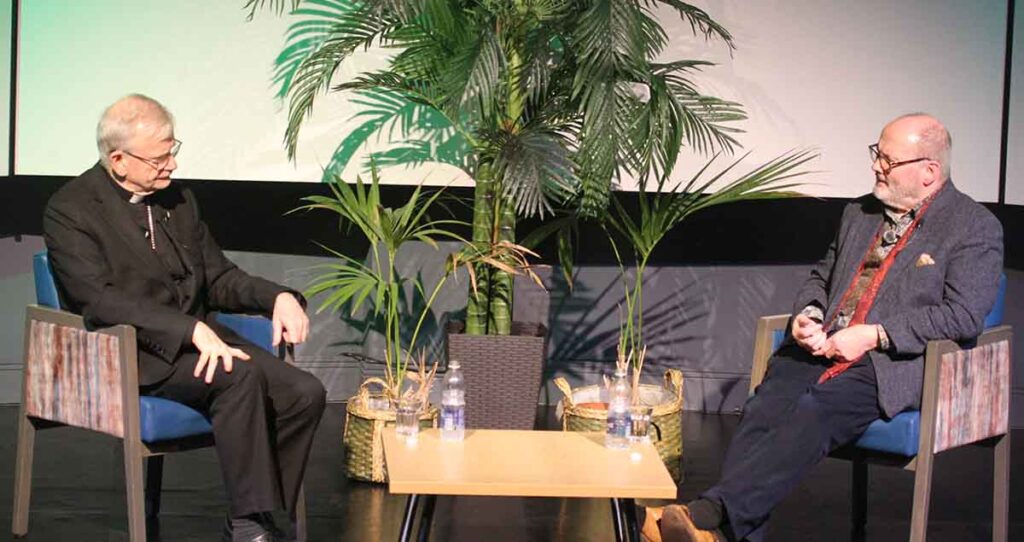
The Very Reverend Bishop Alan McGuckian, Bishop of the Down and Connor Diocese, pictured with journalist and broadcaster at Conversations in the St Patrick Centre in Downpatrick. (Photos: JimMasson/DownNews©).

“It was a question of the best person got the job. I remember our foreman. He was an Orangeman. The pig farm was one of the biggest in Europe.

“I had a sister who served as a novice with the sisters in Monaghan, and two brothers who became Jesuit priests.

“By my 5th year in secondary school I resisted the drive to become a priest. I just felt that I didn’t want this and I fought it for three years.”

But Bishop Alan had the calling and after a year at Queen’s University decided to join the Jesuits in 1972. The training he remembers was slow, the first year being spent a lot in prayer. He said that you got to know yourself and God at this stage, by the grace of God, and it was a sacrifice giving up the usual things a young man did such as having a family. “But I was prepared for it”, he said as he addressed this turning point in his life.

“People asked me why I wanted to be a Jesuit. The human and the divine are both respected. God works through our human experience. And finding God in my experience was something rooted in the spiritual.

“I was driven earlier on and I might not have thrived as a Jesuit if I did not have a grounding in my own humanity and experience.

“My first 30 days was in a silent retreat. You address your own madness and you speak to God.”

Martin O’Brien noted that the training Bishop McGuckian went through lasted 12 years from the initial novitiate stage.

Bishop McGuckian said: “It’s broken up in phases, you spend two years taking your vows. I then went to University College Dublin and took a degree in the arts so I could be a teacher. Then I studied philosophy.
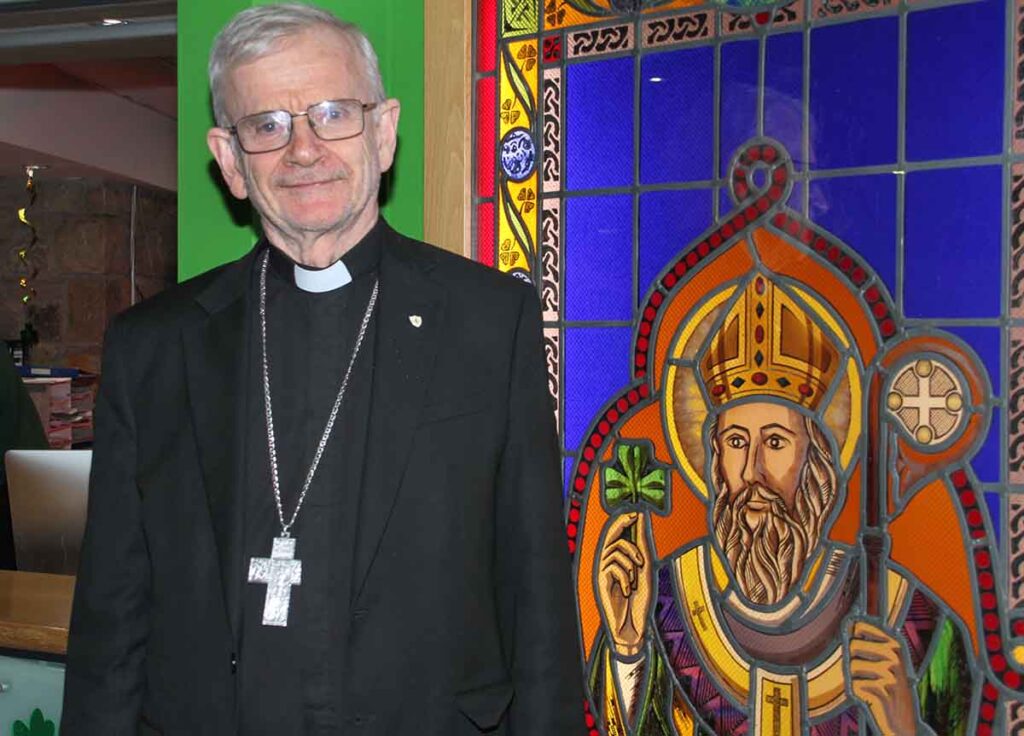
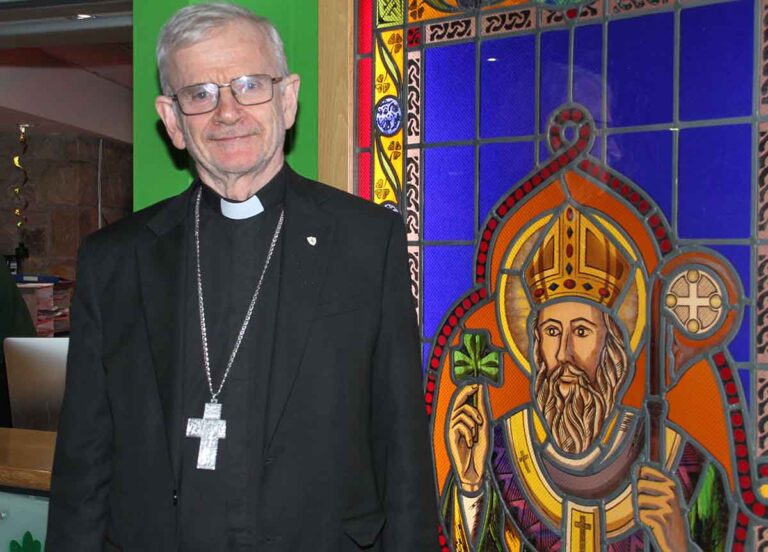
Bishop Alan McGuickian pictured in the St Patrick Centre on the eve of the centre’s 25th anniversary celebrations.

“And then I attended a boarding school teaching as a Jesuit priest.

‘Jesuits are often more ready to communicate but in 1971 I was quite shy.”

Martin O’Brien touched on the special relationship Jesuits have with the Pope.

Bishop McGuickian said: “Yes. The Jesuits were quite a small group, but they had big egos. They were very obedient to the pope. They almost died off in Europe as a group by 1773 , but it was their influence in Russia that kept the flame burning which then spread back into Europe and beyond.”

The discussion moved on and touched on Vatican Two. Pope John XX111 spoke powerfully of the role of the laity around the Church working profoundly with the clergy.

The Bishop said: “The clerical abuse that we have seen is a shame impacting on the caring and spirit of God and the Church and in the laity.” It was Pope John in 1962 who opened the Vatican Council heralding a new direction for the Church which emphasised working more closely in communities.

“Since I returned to the Down and Connor dioscese I have made some changes. Currently there are 6-8 young men now coming forward to the priesthood. I can see the fruits of the changes coming through now after these years.

“People have to take responsibility for things within their sphere of influence in their communities.

“And we cannot set aside the sacramental nature of Catholicism. This is important. Christianity and the world would be in a terrible state if we did not adhere to these principles.

“Christianity has held Europe together for centuries. The Church is changing. We now have laity helping out with funerals and in other areas.”

Martin O’Brien touched on the Irish language, asking Bishop McGuickian how it could be ‘contentious’. The Bishop replied: “For many people the Irish language is being used more. It is basically about respect for all and human justice.

“The debate over the Irish language and Irish unity is similar to the discussion over Brexit. A discussion on an Irish referendum for unity would just be like Brexit leaving a number of problems and unresolved issues.

“So as Christians we have a duty to have a conversation about Irish unity and the implications. There is great co-operation at the Church level among bishops. The real challenge is at grassroots level.”

Bishop McGuckian responded to Martin O’Brien’s question, asking “Is might right ?”. The Bishop replied: “Everyone’s views need to be considered… our Christian view has given the world these decent values. And we have a duty to exercise these values.”

You can see the full interview on ‘Conversations’ on the St Patrick’s Centre at:

You Tube Channel.

TONIGHT AT 7.30pm, Health Minister and UUP Strangford MLA Mike Nesbitt will be taking to the stage to be interviewed by Martin O’Brien which will be another very interesting ‘Conversation.’
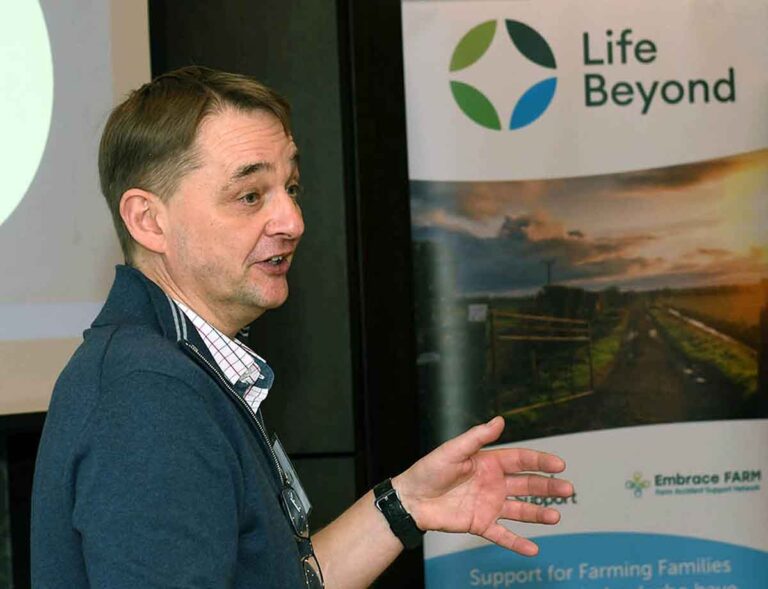
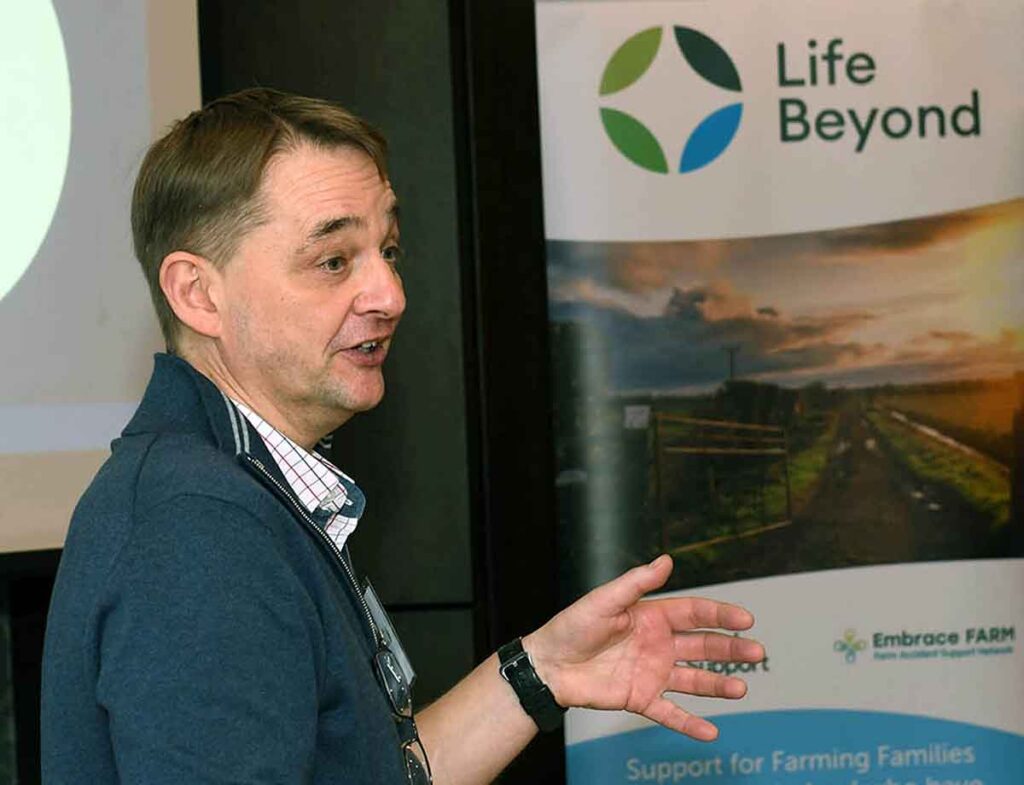
Life Beyond Helps Bereaved Farming Families

‘Life Beyond’ Programme Provides Lifeline to Bereaved Farming Families Across NI

When tragedy strikes a farm, its impact reaches far beyond the yard gate. A sudden accident, suicide, or the death of a loved one can leave farming families not only heartbroken but facing immediate uncertainty about the future of their home, livelihood and legacy.

Through its established Life Beyond bereavement support programme in partnership with EmbraceFARM (ROI), Rural Support continues to stand shoulder to shoulder with farming families across Northern Ireland — providing both emotional counselling and practical farm business support during some of life’s most devastating moments.

Life Beyond is uniquely tailored to meet the realities of agricultural life.

Recognising that home and workplace are one and the same for farming families, the programme delivers holistic, one-to-one support following loss — whether through farm accident, suicide, sudden or expected death.

Support is free, confidential, and shaped around the specific needs of each family.

Gyles Dawson, Joint Interim CEO at Rural Support, says that grief in a farming family or community carries a number of challenges.

When the blue lights leave the farmyard, Rural Support remains — helping families pick up the pieces, rebuild resilience, and move forward at a pace that feels right for them. The charity stays by their side for as long as it takes.

The loss of a key family member can have devastating emotional and operational consequences. Alongside grief, families often face urgent pressures relating to livestock care, financial management, legal matters, and succession planning. Life Beyond works with families to:

  • Stabilise and safeguard the farm business during crisis
  • Provide practical guidance on financial and operational matters
  • Offer professional counselling and emotional support
  • Strengthen family communication and coping strategies
  • Protect the sustainability of the farm for future generations

By supporting individual farm families, the programme also strengthens the wider agricultural sector. Farming families are the backbone of rural communities and food production in Northern Ireland. Ensuring they remain viable following bereavement helps protect rural livelihoods, community wellbeing, and long-term sector resilience.

Rural Support has recently secured funding from The National Lottery Community Fund in Northern Ireland, helping to ensure the continued delivery and long-term sustainability of the Life Beyond programme for years to come.

Gyles Dawson, Joint Interim CEO at Rural Support, said: “Grief within a farming family carries unique challenges. The farm is not just a business — it is home, heritage and identity. When someone dies, every part of life is affected.

“Life Beyond ensures families don’t have to navigate that loss alone. We offer both practical farm business support and emotional counselling, tailored to each family’s circumstances.

“Thanks to funding from The National Lottery Community Fund, we can continue to provide this vital support and remain alongside families for as long as they need us.”

Rural Support understands that asking for help can be difficult. Life Beyond is delivered with compassion, discretion and a deep understanding of the pressures facing farming families.

If you or someone you know in the farming community has been affected by bereavement and would benefit from support, contact Rural Support in confidence by calling their freephone confidential Support Line 0800 138 1678 or visit:

www.ruralsupport.org.uk and click ‘Get Help’ at the top left hand side of the page.

When loss changes everything, Life Beyond helps farming families find a way forward.

DCDR Are On The Right Track With UK Awards

Downpatrick Volunteers Scoop Wins at UK-Wide Heritage Railway Awards

One again the volunteers at the Downpatrick and County Down Railway scoop top UK awards.

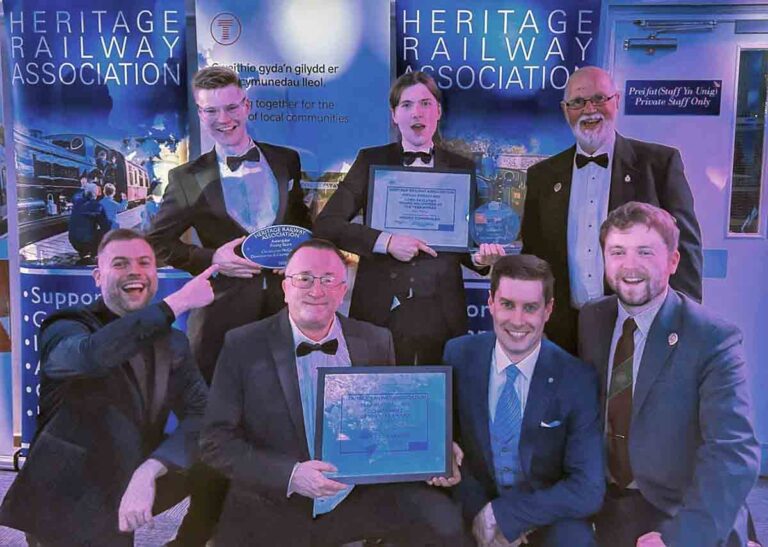
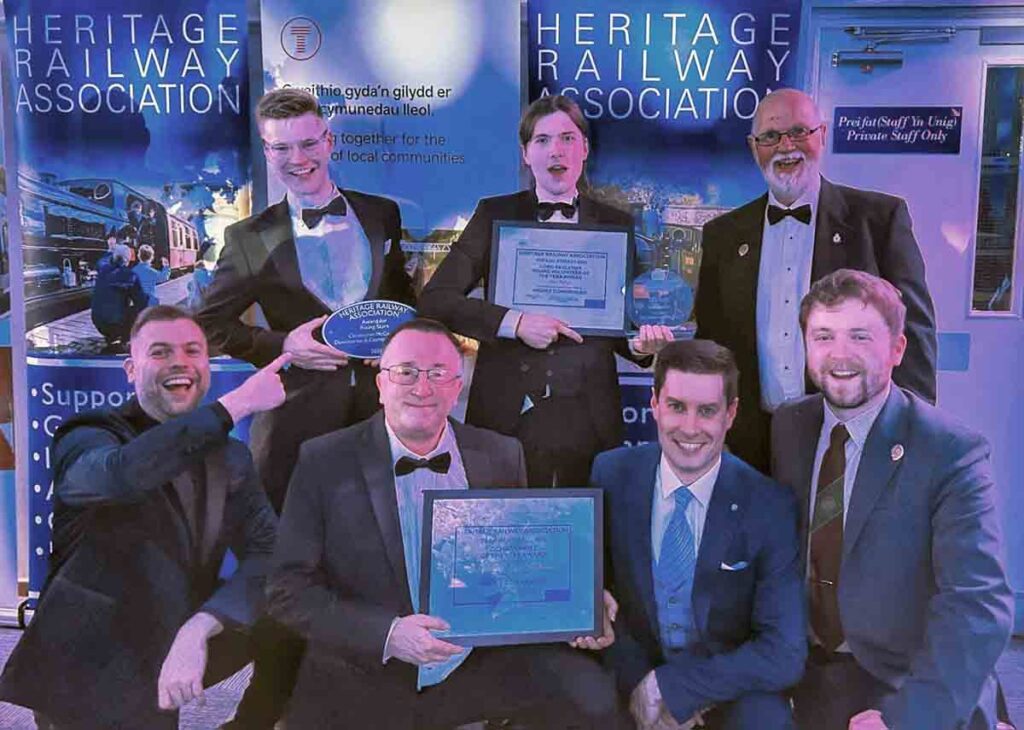
Volunteers from the Downpatrick & County Down Railway have been recognised at the prestigious Heritage Railway Association Annual Awards, the sector’s flagship event often described as the “Oscars” of the heritage railway world.

Robert Gardiner, Chair of the Downpatrick and County Down Railway, is delighted at the performance of the volunteers at the Heritage Railway Awards. (Photos: DCDR).

The awards ceremony took place at Venue Cymru in Llandudno, North Wales, bringing together more than 300 representatives from heritage railways and preservation groups across the UK and Ireland.

This year’s competition was the most competitive yet, with a record 110 entries submitted across categories covering engineering, restoration projects, visitor experience and volunteer achievement. Entries were assessed by an expert judging panel chaired by the National Railway Museum.

Despite competing against some of the largest heritage railways in Britain, the volunteer-run railway in Downpatrick secured recognition across three categories.

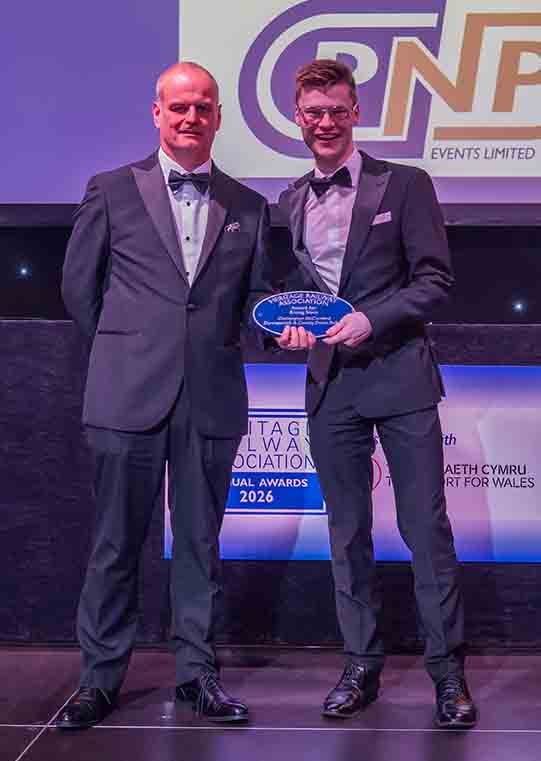
The Heritage Railway Association awards in Llandudno, 2026.Christopher McCausland with the Rising Star award.

Christopher McCausland won the Rising Star of the Year award, recognising emerging leaders in the heritage railway sector.

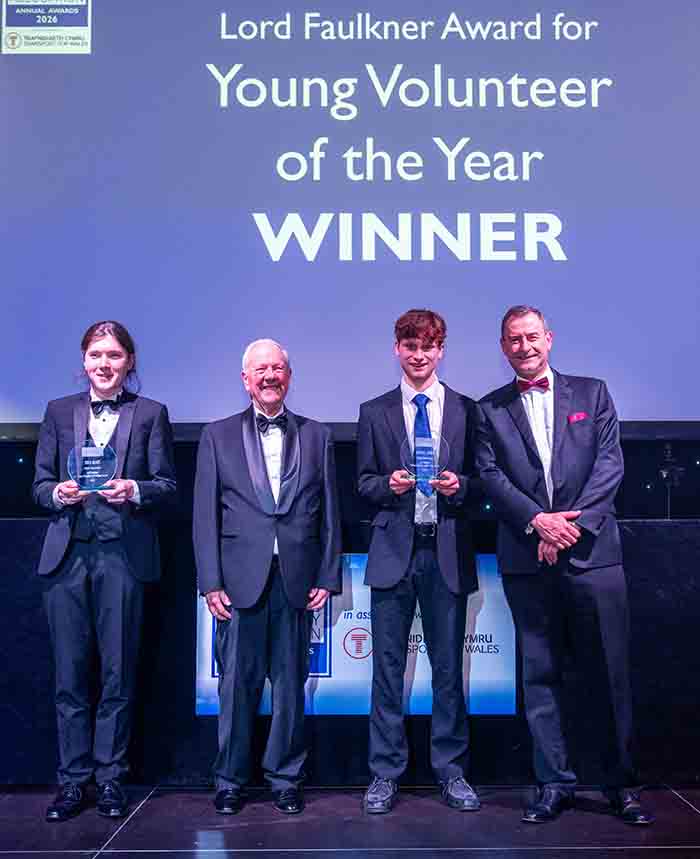
Volunteer Shea McKee was Highly Commended in the national Young Volunteer of the Year category, while the railway’s joint project with the Irish Traction Group, the “Moyexit” rescue of four historic diesel locomotives from Moyasta in County Clare, was also Highly Commended in the Achievement of the Year category.

Downpatrick & County Down Railway Chairman Robert Gardiner said the results were a tribute to the strength of the railway’s volunteer team.

“Once again Downpatrick has triumphed in the people categories, which reflects our commitment to fostering and nurturing new talent while recognising volunteers who go above and beyond,” he said.

“For a small volunteer railway in Northern Ireland to be recognised alongside some of the biggest organisations in the heritage railway sector shows that our wee railway can stand toe-to-toe with some of the major industry players.”

He added that the recognition was particularly meaningful as the railway continues its recovery following the devastating floods that struck the site in 2023.

“These awards recognise the extraordinary work done by volunteers across the heritage railway movement. To see our volunteers recognised on a national stage again means a great deal, particularly as the railway continues to rebuild after the floods.”

The latest honours follow a series of major recognitions for the volunteer-run organisation.

The Downpatrick & County Down Railway recently received the King’s Award for Voluntary Service, the highest honour given to volunteer groups in the UK, and was also named Social Enterprise of the Year at the Social Enterprise Northern Ireland Awards in 2024.

Together, these accolades reflect the impact of the railway’s volunteers in preserving Northern Ireland’s railway heritage while creating a major visitor attraction and community asset in Downpatrick.

Keep Dogs On A Lead During Lambing Season

DAERA and UFU issue reminder to prevent livestock worrying during lambing season

Saintfield farmer says dogs must be kept under control in the lambing season

Watch out! There may be sheep about!

It’s that time of year once more … lambing season. And farmers are concerned at stray dogs roaming around uncontrolled and causing harm or death to sheep and lambs. So if you are walking in the countryside, keep your dog under control, or you could face a very heavy fine!

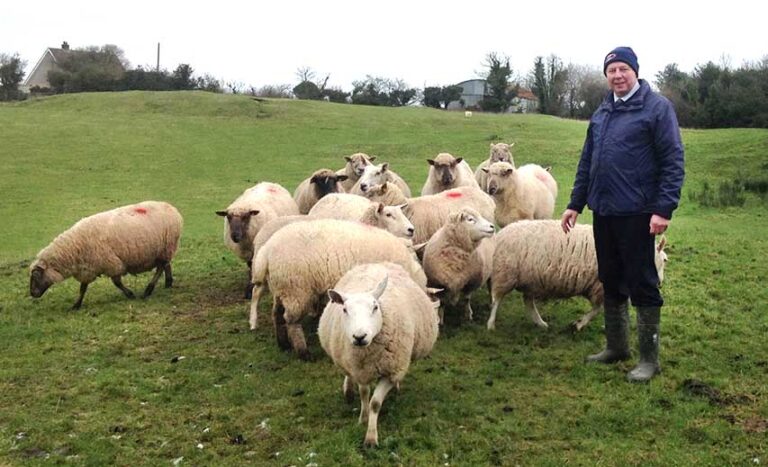
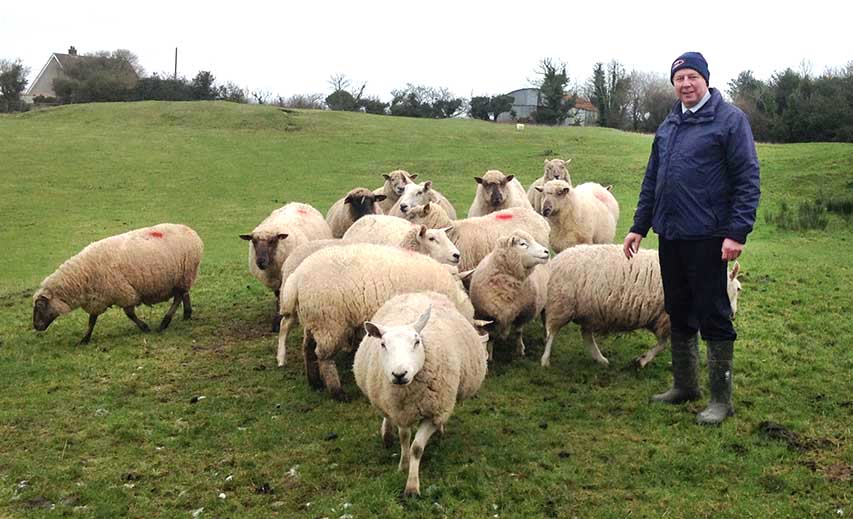
That’s the simple message from Saintfield farmer Robert Burgess who in years gone by has even had to resort to shooting one dog running loose on his farm attacking sheep.

The former councillor said: “I am glad that DAERA and the UFU are calling on dog owners to keep their dogs under control especially during the lambing season. My sheep are almost finished lambing. I have 300 lambs at the moment with just a couple more to come.

Rowallene farmer, former councillor Robert Burgess, has asked dog owners to keep their dogs under control as the lambing season is now underway and backs the UFU and DAERA campaign for better dog control near livestock. .(Photo: JimMasson/DownNews©).

“It is a sad fact that every year farmers lose lambs and sheep through dog attacks. Farming is tough enough without this extra problem.

“Dogs of any size large or small can do this damage in chasing and biting sheep. So if anyone is walking their dog in the country, ensure it is on a lead or it may just charge off.

“And even if you live in a village or small town near farmland, just remember that your dog could wander and get caught up in a sheep attack. An incident such as a sheep attack could prove to be very expensive with heavy fines and costs.

“So for these few important weeks, please head the appeals of DAERA and the UFU. No-one wants to see sheep suffer cruelly in this way.”

The Department of Agriculture, Environment and Rural Affairs (DAERA) and the Ulster Farmers’ Union (UFU) are reminding dog owners to take precautions to prevent livestock worrying and protect animal welfare during lambing season.

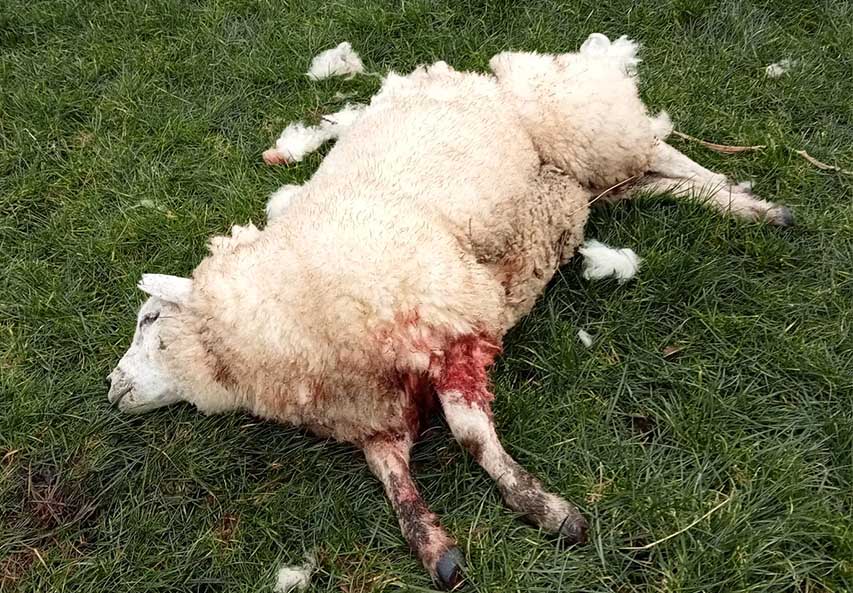
Livestock worrying remains a serious issue for farmers, causing harm to animals and creating disruption on farms. Dogs attacking, chasing or even just being at large in fields holding livestock, can lead to injury, miscarriage or death.

These incidents also often result in significant financial loss for farmers, including veterinary costs, lost income from injured or dead animals, and damage to farm infrastructure like fences, hedges, and gates caused during the event. 

The aftermath can also create emotional distress for farmers, who must manage the consequences and ensure the welfare of their remaining animals. Livestock worrying is not limited to physical attacks; dogs running at large can frighten animals into escaping, causing further risks on roads or neighbouring properties.

This is the harsh reality when dogs get loose and attack sheep. The UFU and DAERA estimate that dog attacks on livestock have increased into 2026.

DAERA Minister Andrew Muir said: “Livestock worrying can have devastating consequences for animals and causes significant distress to farmer families.

“Even a short chase can have devastating consequences for livestock, and in most cases these incidents are entirely preventable.

“The law is clear. It is a criminal offence to allow a dog onto land containing livestock unless that dog is under control. Where a dog worries livestock by attacking, killing or chasing animals in a way that causes injury, suffering or financial loss to their owner, the person in charge of that dog may face prosecution. 

“Simple actions make a real difference. Keeping dogs on a lead, ensuring they cannot stray from homes or gardens, and taking steps to manage their behaviour around livestock are all essential.

“My Department will continue to raise awareness of livestock worrying,  but the responsibility lies with dog owners to act responsibly and protect animal welfare.”

Livestock worrying is an offence under the Dogs (Northern Ireland) Order 1983.

UFU Deputy President, John McLenaghan, said: “Behind every livestock worrying incident is a farming family left to deal with the devastating aftermath of a dog attack..

“For many sheep farmers across Northern Ireland, lambing season is already one of the most demanding times of the year.

“To then discover dead or severely injured animals because a dog has been allowed to roam is both heartbreaking and unacceptable.

“The financial impact is significant. A recent NFU Mutual report highlights a £152,000 cost to farmers in 2025 due to livestock losses in these cases. However, the true cost goes far beyond the financial figure.

“There is the emotional toll on farm families, the trauma inflicted on livestock, and the lasting impact on flock performance to factor in.

“There can be no ambiguity about where responsibility lies. Livestock worrying is a criminal offence, and dog owners have a legal duty to ensure their pets are controlled at all times.

“Too many people still believe their dog would never chase or harm livestock. The reality is that any dog, regardless of breed, size or temperament, can cause serious damage.

“Even without physical contact, the stress of being chased can result in pregnant ewes aborting lambs or young lambs becoming separated and dying.

“The message is simple and unequivocal: if you are walking anywhere near livestock, your dog must be on a lead and under control. Not just when you think there is a risk. At all times.

“Preventing livestock worrying is entirely within the control of dog owners, and there is no excuse for failing to act responsibly.”

The Department and UFU are highlighting that owners must keep their dogs under control, especially near farmland, by using leads and ensuring pets cannot stray from homes or gardens.

Farmers are also encouraged to regularly check their stock, maintain secure boundaries to deter access by dogs, and communicate with neighbouring farms if loose dogs are sighted. When incidents occur, it should be reported promptly to the council dog warden for investigation.

RELATED POST:

Former Councillor, farmer Robert Burgess speaks on sheep worrying in 2023.

O’Dowd Extends Rates Schemes For Businesses

Good news: Finance Minister backs local businesses by extending rate support schemes

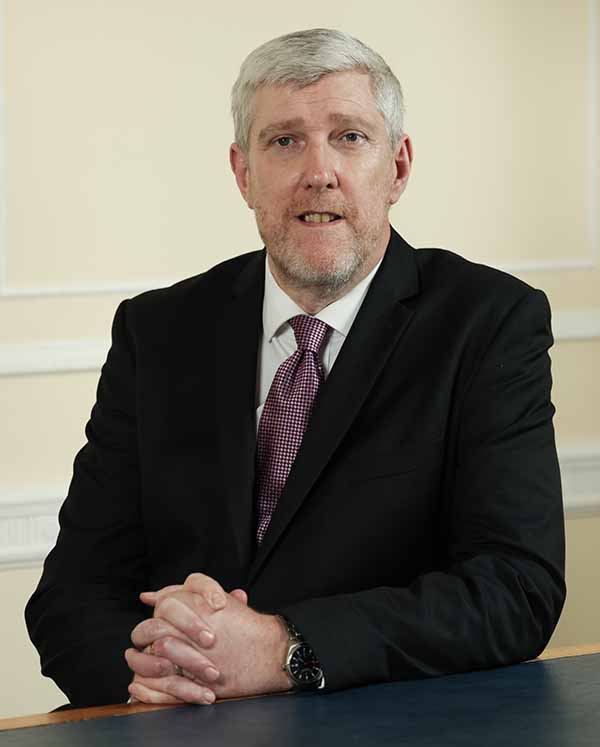
Finance Minister John O’Dowd has announced the extension of the Small Business Rate Relief, Back in Business and rural ATMs exemption schemes for the 2026/27 year.

Speaking after the Assembly debated the measures on Tuesday, Minister O’Dowd said: “Small businesses are the backbone of our local economy, creating jobs, helping grow our economy and supporting workers, families and communities.

“The extension of Small Business Rate Relief for a further year means that while consultation outcomes on enhancements to the scheme are considered, we will continue to provide around 30,000 businesses with reductions of between 20% and 50% on their rates bill.

Breaking News: Finance Minister John O’Dowd announces rates relief for local businesses.

“Importantly, on completion of the Budget process, I will also be making the case for further broadening of this key small business support measure to increase the scope of the small business rate relief and the overall number of recipients for 2026/27, utilising the £10million set aside in my Draft Budget proposals for this.

“I want to see more support directed to businesses that provide vital employment and sustain workers, families, and communities.”

The Minister added: “Since its restoration, the Back in Business scheme has helped bring long‑term vacant high street properties back into use, and helped businesses establish a strong foundation, create jobs and support the local community. Since May 2024, 113 businesses have benefitted from the scheme, receiving over £600,000 in rate support. The continuation of the scheme will create space for further business creation and growth.

“The extension of the schemes will continue to support new and existing businesses, as well as rural communities through retention of the rural ATM exemption. Retention of existing ATMs is especially important given the decline in the number of banks and the need to maintain access to cash in our local communities.”

In addition to extending rate support schemes, the Assembly also approved Regional Rate increases of 5% for domestic properties and 3% for non-domestic. This means the average household will pay 63p per week more on the Regional Rate element of their bill.

Minister O’Dowd said: “Rates play a vital role in funding public services such as hospitals, childcare and schools, as well as many other essential services. The Regional Rate agreed is expected to raise just over £900million in the forthcoming financial year.

“Keeping the domestic uplift at the same level as last year is in recognition of the cost of living pressures felt by many households. Keeping, and setting, the non-domestic rate at a lower level, a below inflation increase at the time it was agreed by the Executive last month, reflects the pressures facing local businesses and their vital role in supporting jobs in our local communities and driving local growth.” 

Police And NIAS Deliver Hard Hitting Roadshow

Raodsafe Roadshow shows post-primary pupils the dangers on the roads for young drivers

The Police Service of Northern Ireland’s hard-hitting Roadsafe Roadshow travelled to Newcastle on Tuesday 10th March, where pupils from local schools heard first-hand accounts of the life-changing impact of fatal collisions. 

As told by first responders and those who have been involved in serious life-altering crashes, the Roadshow depicts graphically how a night out can end in tragedy on the roads.

The story is told by a police officer, a paramedic, a fire officer, a man who was jailed following a fatal road traffic collision, and a woman who was left paralysed.

Their harrowing, personal first-hand accounts are interspersed with music, impactful video clips and hard-hitting road safety advertisements.

The Roadshow, which is supported by AXA, DfI and The Northern Ireland Road safety Partnership, was hosted by Shimna Integrated College and also attended by students from Kilkeel High School and St Louis Grammar School.

District Commander for Newry, Mourne and Down Superintendent Lynne Corbett said that delivering the Roadshow to an audience of new and future drivers is so important in ensuring our young people are educated and aware of their responsibilities as driver.

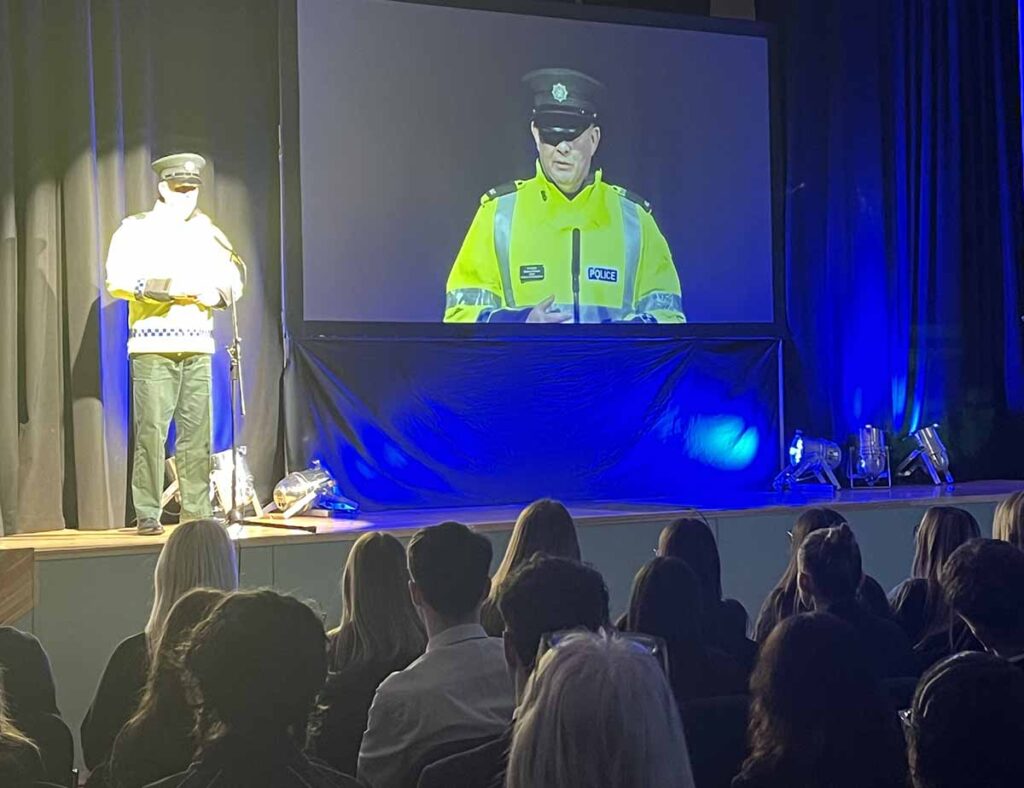
Constable Stevie Dickson sharing his story at the Roadshow. (Photos: by PSNI).

Superintendent Corbett added: “We felt it was important to bring the Roadsafe Roadshow to Newcastle after our local Neighbourhood Team identified some issues around anti-social and careless driving that were really impacting on the local community here and which could pose a real risk to the young people involved.

“This year alone 17 people have lost their lives on Northern Ireland’s roads. These are more than statistics. These deaths are devastating losses for families, friends, entire communities.

“We have no doubt that the Roadsafe Roadshow shocks young audiences but we believe that hearing real life stories of just what can happen on our roads – from those who have had to deal with the aftermath – has a real and lasting impact on those who attend.

“Getting your licence as a young person is an exciting time. Driving offers a freedom to young people that they have never had before, but it is important that there is an understanding amongst young drivers and new drivers, that with this freedom comes huge responsibility.

“It can be tempting to get behind the wheel and show off for your friends, do manoeuvres you would never find on any driving test, and push the limits.

“What the roadshow makes clear is what can go so easily and so terribly wrong. It’s an honest and unfiltered portrayal of how dangerous, careless or reckless driving destroys lives.”

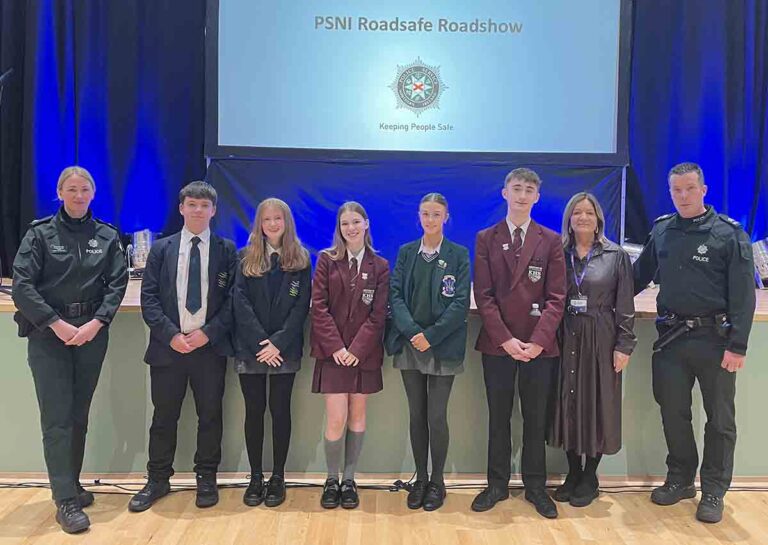
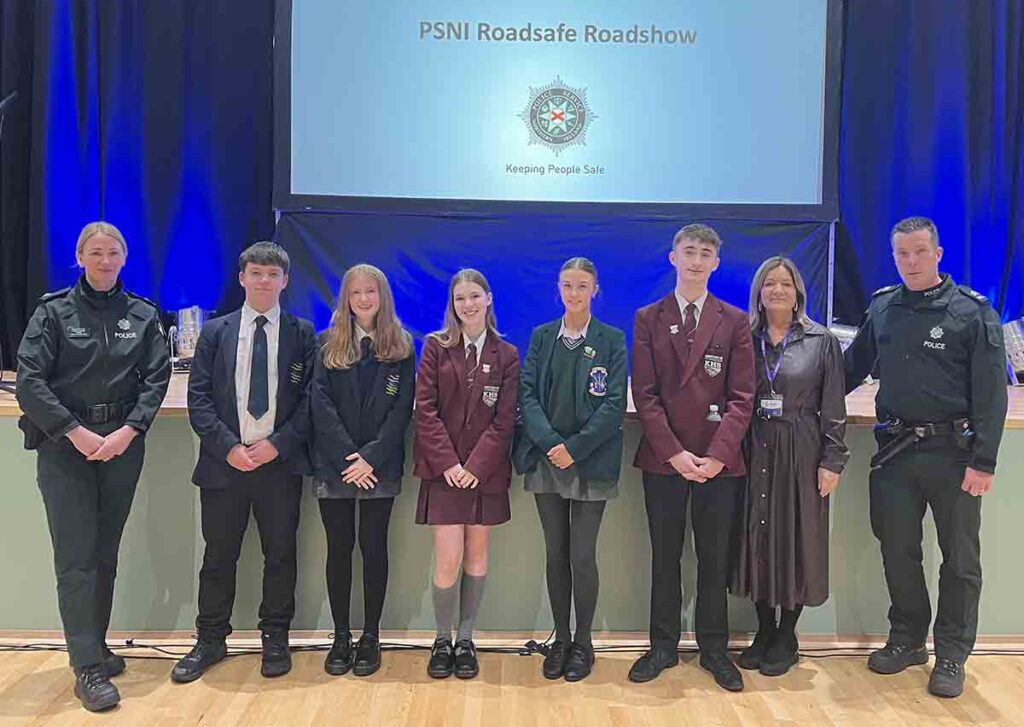
PSNI District Commander for Newry Mourne and Down, Superintendent Lynne Corbett, Ruairi Smith (Shimna College), Alice Fitzpatrick (Shimna College), Paige Campbell (Kilkeel High School), Eyrnne Devlin (St Louis Grammar), Callum Morrow (Kilkeel High School), Karen Caulfield (Vice Principal, Shimna College) and Sergeant Kenny Gracey (Newcastle Neighbourhood Policing Team).

NIFRS Station Commander Mary-Kate McKevitt said: “Road traffic collisions can have devastating consequences, and as firefighters we see first-hand the impact they have on victims, families and our community.

“Roadshows like this are an important opportunity to speak directly to young people about the risks on our roads and encourage them to make safer choices.

“Even one decision, to slow down, avoid distractions or respect other road users, can help prevent a serious collision or save lives.”

John Amos from the Northern Ireland Ambulance Service (NIAS) emphasised the importance of safety messaging for young drivers: “Too often ambulance crews, along with colleagues in NIFRS and PSNI, attend road traffic collisions where one of the Fatal Five has been a major cause of control of the car being lost.

“In recent weeks we have seen far too many incidents where young drivers have been involved, and with fatal consequences – friends have died. Scenes involving young people have a profound impact on our crews, who will often have children in and around the same age.

“It is profoundly sad particularly as it is also avoidable. Being old enough to drive also means that you are old enough to accept the responsibility that comes with your licence.

“Please be aware of your own safety and that of your passengers and other road users.

“Never forget about your family who would be expecting you home safe or sound. Slow down. Do not allow yourself to be distracted by actions of others in your car or by texting while driving, and never ever drink or take drugs while driving”

Superintendent Corbett added: “We want our young people, the next generation of drivers, to really think about what a tremendous privilege and responsibility driving is.

“We want them to think about their safety, that of their passengers and other road users. By adhering to the Fatal Five we hope that our young people can start out on what will, hopefully, be a long and safe motoring career.”

The FATAL FIVE:

• Don’t drink or take drugs and drive;

• slow down;

• don’t be careless

• always wear your seat belt

• and never use your mobile phone while driving.

Infrastructure Committee To Hear Flood Victims

McMurray says Infrastructure Committee to hear Flood Management evidence in Downpatrick

The NI Assembly’s Committee for Infrastructure will be visiting Downpatrick on Wednesday, 18 March 2026, to hear from business representatives and resident groups about flood prevention and recovery.

It comes as the Committee is scrutinizing the Water, Sustainable Drainage, and Flood Management Bill. Downpatrick Regeneration Group and Newcastle Regional Community Resilience Group have been invited to give evidence.

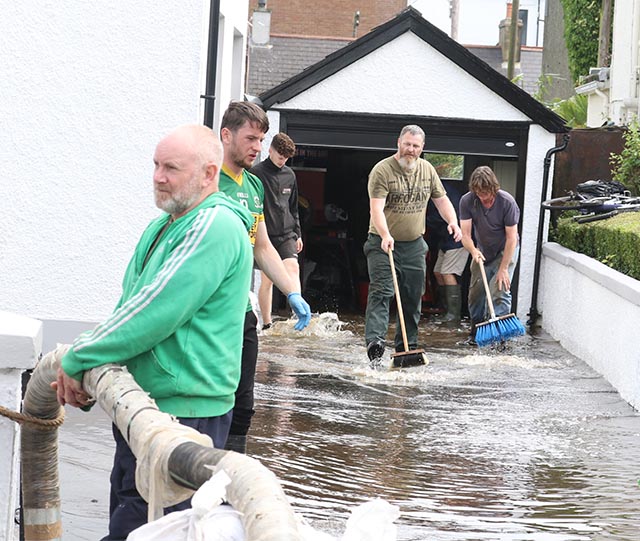
Clearing out the remnants of the flood water in Newcastle in August 2020. There have been floods since. (Photos: Jim Masson/DownNews©)

The Bill aims to reduce water pollution; strengthen flood resilience; promote sustainable drainage; and improve water resource management.

It is largely an enabling bill – which means that its main purpose is to give the DfI and NI Water powers to do certain things in the future that they currently lack the powers to do.

Key areas of concern to communities affected by flooding relate to the regulation of sustainable drainage systems and the future of domestic flood protection grants, such as the current Homeowner Flood Protection Grant pilot scheme.

South Down MLA Andrew McMurray, who sits on the Infrastructure Committee, said: “This is an important Bill, which could have a real impact on local businesses and residents in the future.

“It is important that we get it right and the Committee wants to hear from those who have first-hand experience of flooding and of the existing flood protection grant.

South Down Alliance MLA Andrew McMurray sits on the Assembly Infrastructure Committee and welcomes the consultation with those affected by the flood in Newcastle and Downpatrick in preparation for a new Bill going through the Assembly.

“While this is a fairly technical Bill, more detailed and practical regulations will follow in its wake.

“The Committee will therefore be interested to hear people’s wider views about the policy areas that are supported by this Bill and what these might and should look like in practice.

“As the local MLA, I welcome this opportunity for both community groups to share their concerns with the Committee and I would encourage them to raise any aspects of the Bill that they feel should be changed or taken into account when drafting the detailed regulations for its implementation.”

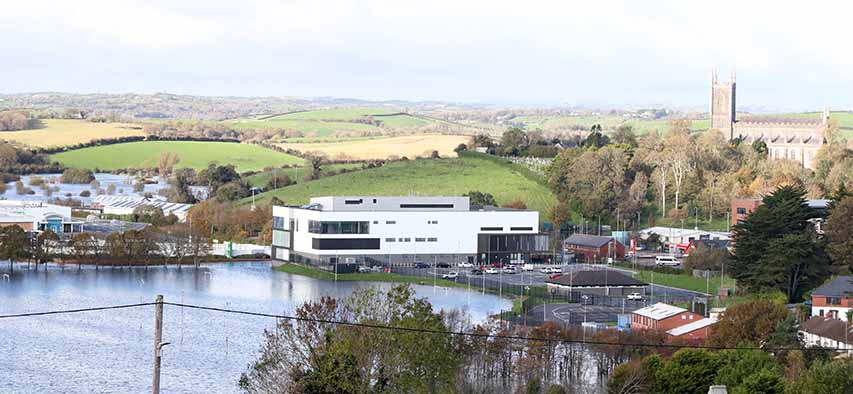
Flooding from the River Quoile at the retail shopping centre spilled over into Dunleath Park and the main road to Newcastle, with many other roads and areas affected also. (Photo – November 3rd 2023).

PEACEPLUS Bolsters Peace And Reconciliation

Thriving Together Action Plan Bringing Communities Together with exciting projects across the District

Work has started on a series of projects designed to make a significant and lasting contribution to peace and reconciliation across the district.

The projects that will be delivered across all Newry, Mourne and Down District Council’s Electoral Areas (DEAs) are part of the Council’s Local Action Plan’s Thriving Together initiative, which is supported by PEACEPLUS, a programme managed by the Special EU Programmes Body (SEUPB).

Projects in the co-designed plan enables and empowers local community partnerships to identify and deliver priority projects on a cross-community basis.

The result will be improved, shared and inclusive local services, facilities and spaces, making a significant and lasting contribution to peace and reconciliation across the district, bringing together people from different socio-economic and community backgrounds.

The Action Plan has been developed by the PEACEPLUS Partnership Board, with the process involving extensive engagement with local communities and key stakeholders, including statutory providers, public bodies, businesses and DEA Forums.

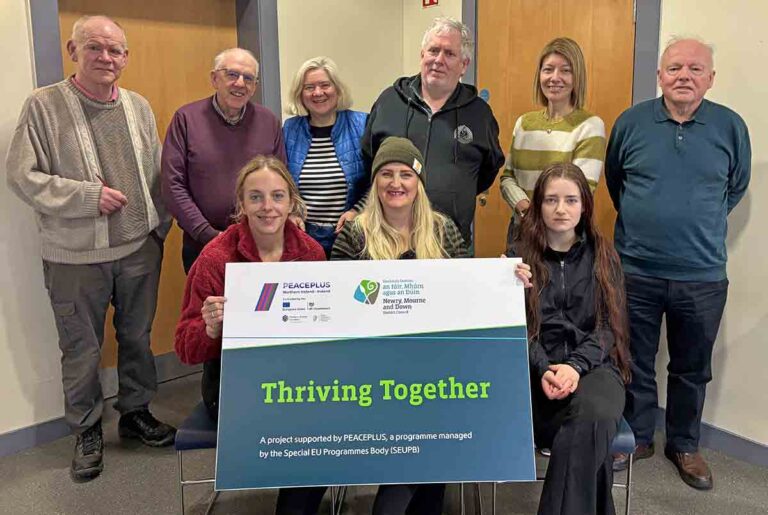
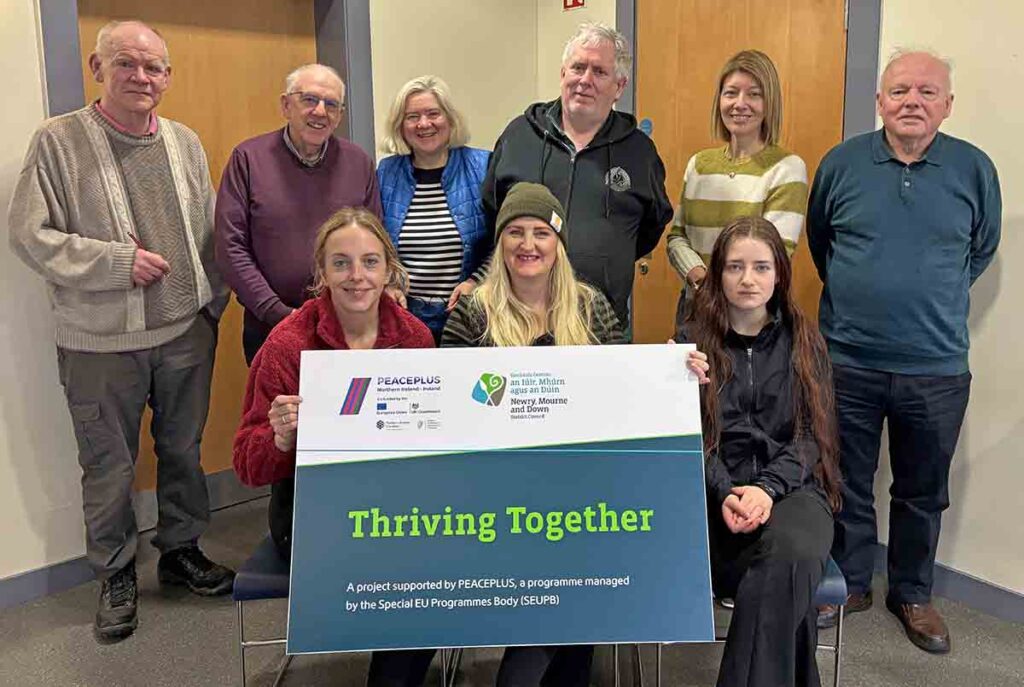
Residents who completed a first aid training course at the Cloughmore Centre in Kilbroney Park, one of the projects being delivered across all Newry, Mourne and Down District Council’s Electoral Areas (DEAs) as part of the Council’s Local Action Plan’s Thriving Together initiative, supported by PEACEPLUS managed by the Special EU Programmes Body (SEUPB). Included are Pat Fee, Conn O’Hare, Fionnuala Rice, Brian Fitzpatrick, Aveen Melling, Sean Magill, Emma Mangel, Anna Mace and Suzanne Farmer.

Newry Mourne and Down District Council Chairperson, Councillor Philip Campbell said: “The Thriving Together initiative, supported by PEACEPLUS and managed by the SEUPB, is bringing people across the district together.

“Residents will be making an invaluable contribution to their respective DEAs and a vibrant, exciting and wide-ranging programme has been drawn up. I am very much looking forward to seeing the outcome of the initiative.”

In Crotlieve, registration has opened for a first aid training programme to equip people with practical, lifesaving skills to respond to emergencies, while an inspiring cultural programme combining workshops, guided visits and group writing sessions begins, with the ‘Voices of the Land, Poetry and Songs from Crotlieve’ initiative designed to deepen creative practice and discover the area’s rich heritage through shared learning and exploration.

Three events are planned for the Downpatrick DEA, beginning with a World Textiles Cultural Programme bringing together people from different backgrounds, with the aim of learning about textiles, fashion and costume traditions from different cultures, including local and global traditions.

The Port and Town History and Culture Programme will look at the heritage of the Quoile River and the development of Downpatrick, focusing on ‘what connects us’, dispelling myths and perceptions and providing understanding on how the past links the future, while the history of mental health care in the town focus on exploring the area’s shared mental health history, challenging stigma and uncovering overlooked narratives.

In the Newry DEA, workshops, talks and site visits will explore the history of the City’s canal and engineering, with an opportunity to learn about construction, key engineers and technical drawings through hands-on activities as part of the Newry Canal and Our Engineering Heritage initiative.

There will be a Capacity Building Events Training for Community Groups and a focus on the history of social housing in Newry and Mourne, with the Castles and Tower Houses of East Ulster and Louth project highlighting the rich network of medieval tower houses and the role they played in the history of the City.

In Rowallane, the Family History and Immigrations Project will explore the stories of families who shaped the region, tracing ancestral routes through local records, landscapes and long-standing community landmarks. Through guided research and on-site explorations and recording local stories, the project will connect personal histories with the cultural and environmental heritage of the area.

In Slieve Croob, the Martin Waddell Project will celebrate the work of the internationally acclaimed author from Newcastle whose stories have inspired generations and a man who drew much of his inspiration from the DEA. The project will use his works to engage the community, foster cross-community connections, promote literacy and encourage cultural exploration rooted in the local environment.

The Nature and Heritage in Harmony Programme aims to bring people in the Castlewellan area together through shared environmental, horticultural, biodiversity and celebrating local traditions.

In Slieve Gullion, the spotlight will be on three projects.

Together Empowering Abilities and Minds invites people to join a new capacity building programme, designed to support children with additional needs by inclusive play, sensory engagement and social interaction, while the Men’s Shed Podcasting Initiative brings shedders together to build practical, digital skills such as recording, editing and online promotion, while creating a safe space for open conversations about men’s health.

The Sacred Spaces: Chapels, Churches and Meeting Houses of Slieve Gullion project, explores the shared history and cultural significance of the area’s historic places of worship.

In The Mournes DEA, A Disability and Creativity Festival features creative workshops, accredited training and inclusive visits, culminating in a free public festival, while the History and Culture Programme, Exploring the past and future for Celtic Languages and Ulster Scots, focuses on ‘what connects us’, dispelling myths and perceptions and providing understanding on how our past links our future.

The Our Mourne Our Stories project, for those aged 50 and over, is a community story telling project celebrating shared heritage through interviews, workshops and film, with an opportunity to meet new people and build connections.

A new PEACEPLUS newsletter is published every two months, highlighting the wide range of projects being delivered throughout the district as part of the Co-Designed Action Plan, providing residents with news on upcoming initiatives and opportunities they may wish to get involved in.

To receive future newsletters email [email protected] and ask to be placed on the PEACEPLUS database, while for information on the (SEUPB) visit:

https://seupb.eu/PEACEPLUS

Search And Rescue Dogs Train At Teconnaught

K-9 Search and Rescue dog handlers train on farm at Teconnaught, County Down

On a lovely, early spring day, several dog handlers with their specialist search and rescue dogs arrived at a farm near Teconnaught, County Down, for an important training session for K-9 Search and Rescue N writes Jim Masson/DownNews©).

The dogs are primarily pets, but after initial training they are selected because of their search ability for further on-going training.

Paul Fielding, a dog handler, said: “Over the next few days we will be training here on the farm as it has running water for the dogs to work in on tracking, and this is a scent day dealing with human smells.

“Next session will involve work around the River Quoile then we will move on to Balloo where we continue training of human smell and exactly following footprints and get involved in water based searching.

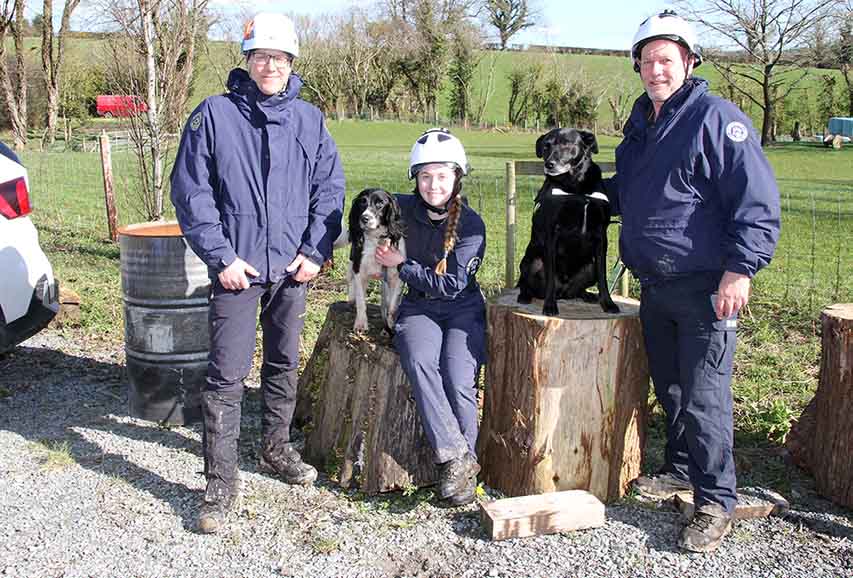
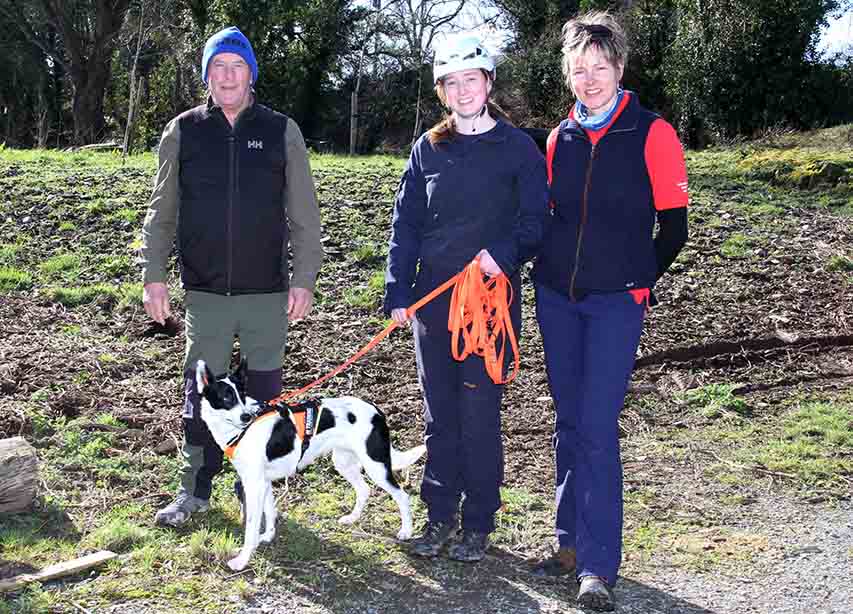
Volunteer Paul Fielding with Alicia and her rescue dog Nemo and John with hi dog, Ember, looking forward to the training session at a farm in Teconnaught, County Down. (Photos: Jim Masson/DownNews©).

“We are quite a democratic organisation and share responsibilities. We all muck in and get the job done. We also share the costs as we are a charity.

https://www.k9searchandrescueni.org

“K-9 Search and Rescue NI has to date attended many searches including the gas explosions at Creeslough in Donegal in October 2022 where ten people died with eight injured. And we also attended the recent earthquake in Turkey.

“Families often ask us to search for their loved ones. They find it difficult to get closure until they find their bodies. Then the grieving process can begin.

“We also took part in searches for Lisa Dorrian who was murdered in 28th February 2005 at Ballyhalbert at a party she attended. Her sister Janine is on our Board.

‘The organisation was established by Ryan Gray who is the team leader. We go out in all weathers.”

K9 STeaching For Excellence assessor Davy Jones pictured with K-9 Search and Rescue volunteers Lisa and Alicia with Ellie-Boo the search dog. pictured at a farm in Teconnaught, Country Down during a training and assessment session.

Dave Jones, the specialist assessor with UK K-9 Training For Exclellence who was assessing the dogs and the trainers on the day at Teconnaught, has been involved all his life in searches in Snowdonia in Wales in mountain rescue since the mid-70s, and also works for the Commission of the Disappeared.

“I have been involved in training dog handlers in the ROI, Spain, Croatia, Denmark, Russia, Poland Japan, Dubai, the USA and other countries. I have participated in humanitarian missions in Bosnia, Kosovo, and Mozambique, Turkey and El Salvador.

“I’ve just spent a week in Wicklow. It is very rewarding work. On a search we may search through collapsed buildings and natural disasters, and also provide general purpose concealed cadaver detection. We also get involved in swift water rescue and powerboat handling. It is quite a mix of skills.

“Often we arrive at a place where the search is to be conducted and we get involved in the search planning and management. Our close-knit teams are trained to work together on the ground.

“We aim for continuous professional development and we are aligned with NASDU (National Association of Security Dog Users. ) and to British standards.”

https://www.nasdu.co.uk

McMurray Welcomes Mournes Wildfire Progress

McMurray MLA welcomes wildfire management progress in the Mournes

Alliance South Down MLA Andrew McMurray has welcomed work undertaken to prepare for future outbreaks of wildfires in the Mournes. 

The South Down MLA said “Rural arson has been a scourge on the Mournes for many years.

South Down Alliance MLA Andrew McMurray asked the DAERA MInister at Question Time what were the plans to curb wildfires in the Mournes.

“These fires, which are often started maliciously or by negligence, destroy already fragile habitats, endanger the health and safety of local communities, and hurt local economies.

They also come at a substantial cost to the taxpayer.

“During this week’s Question Time, I asked the DAERA Minister to outline any work his Department is undertaking to prepare for outbreaks of wildfires in the Mournes and to provide detail on wildfire management plans for the Mournes.

“I was pleased to hear that a range of actions have been taken to prepare for any future wildfire seasons in the coming weeks.

“Some of the actions are already being progressed, such as a specific wildfire management plan for designated sites in the Mournes.

“This will be developed by a consortium of international experts and will identify wildfire risks and management recommendations and response plans for the area.

“I welcome these actions and I would call on members of the public to do their part to keep our mountains safe this coming wildfire season by refraining from lighting careless or malicious fires,” said Andrew McMurray.