New cancer drug must be available to patients, says South Down MP Chris Hazzard
Sinn Féin MP Chris Hazzard has written to Health Minister Mike Nesbitt to demand the immediate introduction of a breakthrough cancer treatment in the North.
Keytruda assists the immune system to fight cancer by supporting the immune system.
The South Down MP was responding to the announcement that Keytruda, a new injectable form of immunotherapy, is being rolled out for patients in England and Wales this week.
“I have written to the Health Minister to make it clear that patients here must have access to this game-changing treatment,” said Mr Hazzard.
“This jab could save patients hours of gruelling time in hospital, allowing them to continue to enjoy their lives with their families away from a ward.
“There must be no delays, and I have urged the minister to provide a definitive timeline for when this drug will be in use.”
Keytruda can be given to a patient through in intravenous feed or an injection.
It helps to fight a number of cancers including some types of lung cancer, Hodgkin Lymphoma, renal cell cancer, and some forms of breast cancer. It can also be used in conjunction with chemotherapy. to help stimulate the immune system. But there may be some significant side effects.
McGrath and McGlone says failures of Katie Simpson investigation must never be repeated
A review has found significant failures in a PSNI investigation of the death of Katie Simpson from Derry in 2020.
It was initially thought she had committed suicide, but her sister’s partner Jonathan Cresswell committed suicide a year later and the case then evolved from there as a history of misogyny was uncovered.
SDLP Policing Board member Colin McGrath MLA said: “This report raises serious questions for the PSNI and comes against the backdrop of a number of high-profile concerns in recent months about culture within the organisation, particularly in relation to misogyny and cases involving sexual violence.
“The failures identified in this case must be addressed urgently. The review makes clear that weaknesses within the system contributed to warning signs being missed and to a deeply flawed investigation.
South Down MLA Colin McGrath said following the release of a report on police effectiveness on a death investigation which turned out to be a murder that it must never happen again.
“We need to see meaningful change, including improved training for officers so they can recognise the indicators of coercive control and abuse and ensure that critical evidence is not overlooked in future cases.
“I hope this report provides some measure of comfort to Katie Simpson’s family after what has been an incredibly difficult and prolonged ordeal.”
SDLP Opposition Justice Spokesperson Patsy McGlone MLA has said the failings of the investigation into the death of Katie Simpson must never be repeated.
He said: “It is clear there were serious failures in the circumstances surrounding Katie Simpson’s murder and the investigation that followed.
“These were not minor errors, but systemic failings that must be acknowledged and addressed.
“We must ensure that the lessons from this case are learned in full and acted upon, so that no perpetrator is ever again in a position to evade justice in this way.
“When failings are identified, those responsible must be held accountable and I challenged the Justice Minister on this in the Assembly today.
“While the independent review focused on the PSNI, there are wider lessons for our justice system, particularly in how it responds to violence against women and girls.
“The recommendations must now be implemented in full and without delay.
“Our thoughts are with Katie Simpson’s family, friends and those who came forward in this case. They have shown immense courage in their determination to ensure this case was properly investigated and that the truth was uncovered.”
May Day Motocross At Seaforde Draws A Good Crowd Of Supporters
The Adult Ulster Open Championship rolled into Seaforde MotoParc on May Day, when the Mourne Motorcycle Club held the second round for the 2026 season for the Ulster Adult Solo Championship.
The racing started with Clubman MX2 class, as Annahilt man Paul Gray continued to fight for the lead, following the opening round at Loughbricklandwrites MCC PRO Stuart Campbell.
Gray improved on a second and two fourth-placed finishes at the first round, with a win, a second and a third placed finish at Seaforde.
After two rounds Gray is hot on the heels of Jack Grills who left Seaforde with a first and two second placed finishes on May Day.
In the Clubman MX1 class Killinchy’s Chris Lappin was playing catch-up after missing the first round. Lappin started by winning the first two races at Seaforde. In the third race Lappin left the line mid pack and had to fight through during the eight lap race to take a second placed finish and the top honours on the day.
In the combined Semi Expert class Leitrim teenager Alfie Herron was the top MX2 rider, leading the way as he won the first two races.
The third Semi Expert race was run as a shortened 12 minute sprint race and Alfie Herron left the line mid-pack. Herron moved through the pack quickly, before taking the chequered flag after eight laps and a hattrick of wins on the day. The top two Semi Expert MX1 finishers were Martin Atkinson (1, 1 and 10) and Cameron Mackin (1, 1 and 2).
The combined Expert class was the last on the line with fast paced action all day between Glenoe man Glenn McCormick, Belfast’s James Mackerall, Waringstown’s Niall Creggan and Seaforde man Nathan Green.
Bikes roar into action at the second round of the Ulster Solo Championships held at Seaforde Motocross Parc on May Day.
In the first race Mackerall led off the line, but it was Creggan who led at the end of the first lap. The top four were all close and on the fifth lap McCormick took the lead, before dropping the bike in a corner on the next lap and falling back to fourth position.
McCormick was quickly back on the bike and in the lead again two laps later, which he held to take the chequered flag ahead of Mackerall, Green and Creggan.
In the second race Nathan Green took the holeshot and led the race until the last lap when McCormick moved ahead to take the win ahead of Green, Creggan and Mackerall, who was a lap down in eleventh position.
In the final race McCormick won his third race of the day ahead of Mackerall, Green and Creggan.
Overall, McCormick was the top MX2 rider on the day with three wins, as Green was the top MX1 rider with a win and two second placed finishes.
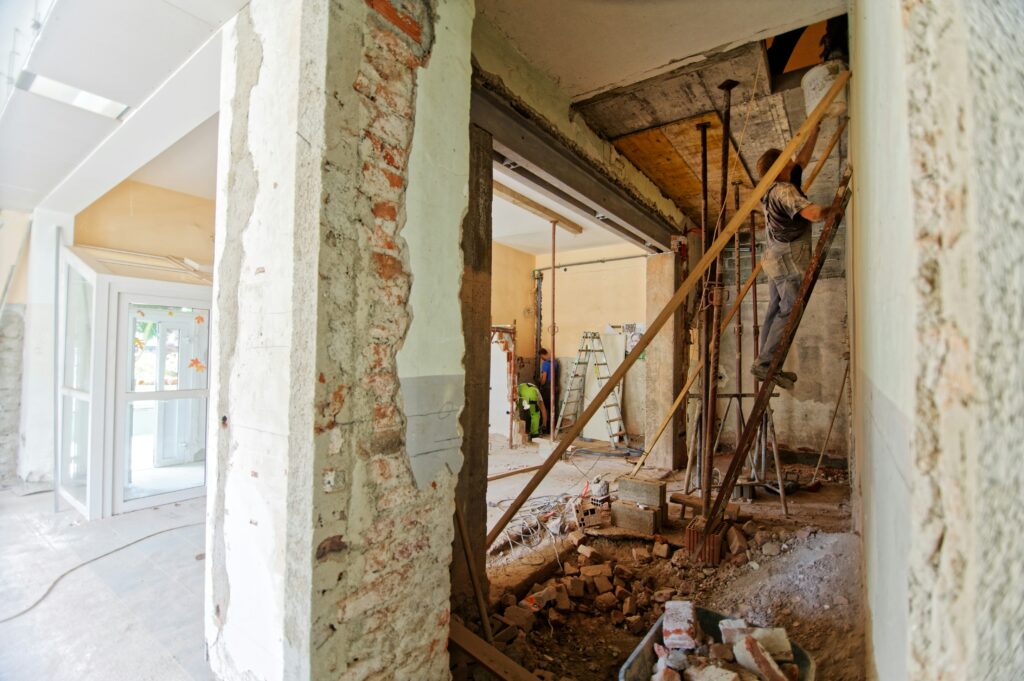
Over the past year, the landscape of residential property improvements across County Down has shifted dramatically. Following the sweeping environmental and waste regulations introduced in 2025, homeowners face new challenges. Getting the right container to properly eliminate unwanted waste in the United Kingdom is no longer just a matter of convenience; it is a strict regulatory requirement. Consequently, choosing the right skip size has become the most crucial decision before breaking ground.
Too small, and you will undoubtedly have unwanted waste left over. This usually means you may have to hire another skip, doubling your transport costs. However, a skip that is far too large will cost more than you actually need to pay. It will also take up unnecessary space on your site or property. Amidst these modern challenges and tighter local council enforcement, one specific container has emerged as the definitive “Goldilocks” solution. It is not too compact, nor is it excessively massive. For County Down residents, the 8-yard skip is just right.
The 8-Yard Skip Hire Is the Best Option for Most Projects
To understand why this specific container is so popular, we must look at its practical applications. Also known broadly as a large builders skip, the 8-yard skip is the most popular hire option in the UK right now due to its wide range of uses. It can comfortably hold a considerable amount of waste, equating to approximately 70 to 80 bin bags. Indeed, according to industry experts, 8-yard skip hire accounts for 34% of customer satisfaction ratings above 4.5 stars
They are exceptionally well-suited for holding a mixture of soil, rubble and other general light waste. If you need to remove a lot of bulky items, these generously sized skips are perfect.
However, there is a critical rule to follow. Skips of this size are brilliant for heavy loads, but very heavy waste such as dense rubble or soil are limited by lay. The limit is about 3/4 of its maximum capacity for dense materials. This limit ensures the waste to be disposed will not make the skip too heavy to be safely lifted once full.
For a comprehensive bathroom, kitchen refit, or general site clearances, this size is unsurpassed. You can effortlessly place larger items in the skip first and then fill in the gaps with the smaller waste. This technique helps to maximise the capacity of your skip, ensuring better value for money.
Comparing the Alternatives: Why Smaller Isn’t Always Better
If you have never hired a skip before, it can understandably be difficult to tell which exact size skip is best suited for your needs. Why not just choose a smaller, cheaper alternative?
A 2-yard skip, frequently referred to as a mini skip, is the smallest and cheapest skip available on the market. It is highly compact. However, it is only suited for very small domestic jobs, like minor spring cleans or very basic DIY projects. Moving slightly up, the 4-yard skips, also known as midi skips, offer a capacity to accommodate approximately 40 bin bags of waste. While these are a smaller skip, they are much easier to put waste into.
However, for major renovation work, these compact choices generally fall short. As a sensible general rule, it is always best to purposely over-estimate the skip size you need from the start. It will always work out cheaper than needing to hire a costly replacement skip (a process widely known as a skip exchange).
Even the 6-yard skip size, which is a standard size skip designed to handle heavy objects, can sometimes be insufficient. Also known as a small builders skip, it is indeed the largest size skip for entirely very heavy waste such as hardcore, soil or concrete. Yet, it only holds the equivalent of 60 bin bags of waste.
The Pitfalls of Maxi and Jumbo Skips for Domestic Use
If smaller skips are risky, why not just jump to a larger commercial size? The 10-yard skips and 12-yard skips are for lighter, bulky waste disposal. A 12-yard jumbo skip can hold approximately 120 bin bags of waste, making it a cost-effective solution if you have a massive amount of light items to clear. They are particularly popular amongst shop fitters and for commercial waste management.
The problem lies in the weight restrictions and current local council policies. You may find these tall containers more difficult to lift your bulky waste into as they have much higher sides. More importantly, this skip size cannot be filled with heavy waste materials like soil or bricks because the heavy goods skip lorry would not be able to carry it.
Furthermore, as mentioned earlier, 8-yard skips are usually the largest size of skip which will be easily approved for a permit. It isn’t usually possible to place a 10-yard skip or a 12-yard skip on a public highway due to the strict skip permit restrictions recently introduced. Unless you operate a large factory setting or have a vast private driveway, these maxi skips are generally unsuitable for domestic residential projects.
How to Place, Load, and Secure Your 8-Yard Skip
When you finally decide to book your 8-yard mega skip, there are several practical steps to ensure a smooth, speedy service and next day delivery.
Firstly, always consider the exact location which the skip will be safely placed. They can usually still be placed on a standard residential driveway. However, you must be sure to check your driveway is genuinely suitable for heavy loads. Be aware that some tarmac surfaces, particularly freshly laid driveways, can easily imprint or damage when a heavy goods vehicle drops off or subsequently collects the skip.
Secondly, respect the loading limits. It’s vitally important to remember that all skips, completely regardless of size, must maintain a safe level load. This explicitly means that the waste must not be stacked higher than the tallest sides of the skip itself. The 2025 enforcement teams are strict on this rule. If you irresponsibly overload your skip, you will undoubtedly incur a wasted journey charge, simply as the skip will not be able to be legally or safely collected.
Finally, consider security. Sometimes, rear end loading skips (RELs) and specific lidded skips are an excellent investment. Lidded skips can also be a genuinely good option for residential skip hire, particularly when they’re being placed on public highways. After fully paying for a skip, the very last thing you want is for random people to illegally throw their rubbish away in your container. A lockable lid prevents this effectively.
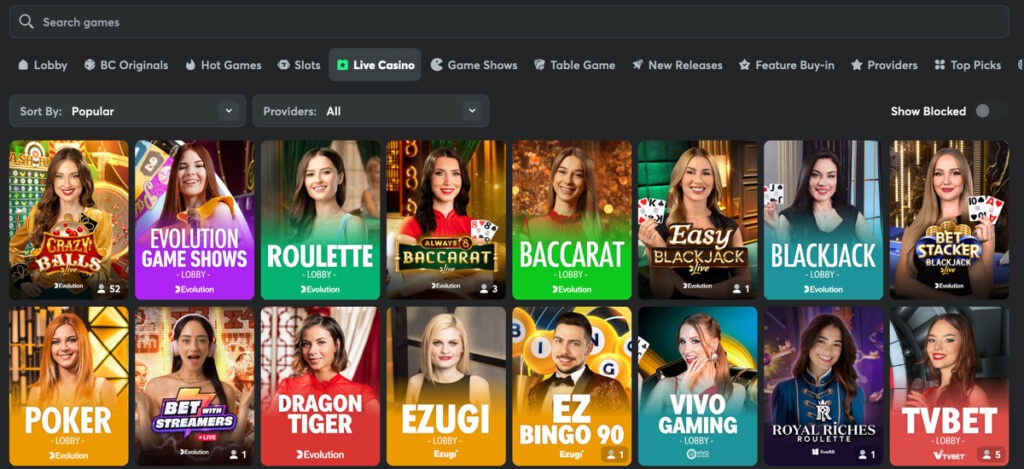
The intersection of digital currency and online wagering has reshaped how South Asian players approach betting platforms over the past three years. Pakistan, a market defined by banking limits on traditional gambling and a young, mobile-fluent population, has become one of the more studied geographies for analysts tracking crypto gambling Pakistan activity. BC.Game operates as a globally recognised crypto-native casino that accepts dozens of tokens and hosts thousands of titles across slots, table games, and live formats. It has become a reference point in regional discussions of crypto casinos because it pairs low-friction onboarding with a catalogue that mirrors mainstream Pakistani user expectations, even in the absence of a locally licensed fiat gambling industry.
Pakistan’s role in the growth of regional crypto gambling markets is inseparable from its broader relationship with decentralised finance. Restrictions on card-based gambling deposits, combined with widespread peer-to-peer crypto activity, have pushed a meaningful share of betting volume onto crypto gaming platforms. Analysts describe a dual reality: formal prohibition on one side, organic user demand on the other. That tension frames the rest of the discussion.
How Pakistani Players Engage with Crypto Casino Platforms
Accessibility is the first variable that shapes any serious conversation about BC Game in Pakistan. The platform is reachable through standard browsers and progressive web interfaces, which matters in a market where app-store restrictions on gambling products are routine. Pakistani users typically reach the site directly or through mirror domains, complete onboarding with an email or wallet, and fund accounts with stablecoins such as USDT alongside BTC, ETH, and a rotation of altcoins. KYC requirements are lighter than on fiat sportsbooks, which aligns with a user base that values privacy and transactional independence.
Mobile usage dominates. Internal industry studies and third-party traffic trackers consistently show that more than eighty percent of sessions from Pakistan originate on Android devices, with iOS a smaller but higher-value segment. Crypto payments remove the friction that historically caused fiat deposits to fail at the card-processing stage, and anonymous account structures appeal to users who would not consider online betting Pakistan options tied to personal bank accounts. Together, mobile dominance, stablecoin settlement, and privacy-preserving accounts define the operational profile of the platform in the country.
How Live Casino Formats Drive Engagement in Pakistan
The live vertical has become the clearest growth engine across the catalogue, and BC Game Live occupies a central position in that expansion. Live gaming here refers to three categories: real-dealer studio tables, crash-style instant games, and in-play sports markets. Each attracts a slightly different user profile, but they share a common rhythm – short rounds, transparent outcomes, and settlement in crypto within seconds. The crash format in particular illustrates how blockchain gambling differs from classical online casino products: rounds last under a minute, provably fair algorithms let players verify outcomes, and the social layer around shared multipliers creates a competitive atmosphere closer to trading than traditional slots play.
The live ecosystem on the platform centres on a handful of recurring features that Pakistani users gravitate toward:
Live crash games with round-by-round verifiability
Sports betting with a strong cricket focus, including PSL and international fixtures
Slots and original in-house titles designed for short sessions
Mobile accessibility through a lightweight web client
Fast crypto transactions, with deposits typically confirmed in minutes
Provably fair mechanics on original titles, backed by on-chain seed verification
Crypto Gambling Trends in Pakistan
Four structural shifts explain the current trajectory of gambling trends Pakistan analysts report. The first is wider adoption of crypto as a store of value and settlement layer, driven by currency depreciation and remittance inflows routed through stablecoins. The second is measurable migration from fiat-oriented offshore sportsbooks toward wallet-native operators, mirroring what Latin American markets experienced between 2022 and 2024. The third is the mobile-first posture of the average user, which rewards operators with fast-loading web apps and short session loops. The fourth, and perhaps most consequential, is regulatory ambiguity: Pakistan neither licenses nor systematically prosecutes offshore betting, leaving the market in a legal grey zone that private operators navigate on a best-effort compliance basis.
Understanding Player Behaviour in Crypto Gambling Markets
Behavioural data collected by independent affiliate analytics firms, and summarised in recent market reports, offers a consistent picture of player behavior crypto gambling patterns in the region. For a deeper breakdown of session analytics and segmentation models, click here. Pakistani users run shorter sessions than European counterparts, tolerate more volatility, and concentrate activity in compressed betting cycles – often tied to match windows or evening hours. Preference for anonymity is pronounced, and wallet-level identity is treated as sufficient by most of the cohort. Session length clusters around fifteen to twenty-five minutes, and deposit amounts skew toward the fifteen-to-fifty-dollar range, consistent with frequent top-ups rather than large single transfers.
Observed behavioural markers include:
Impulsive betting sessions triggered by live events or social signals
Preference for crash games over traditional slot mechanics
High-risk, high-reward mindset shaped by exposure to crypto markets
Crypto-first deposits, with stablecoins accounting for the majority of volume
Mobile-only engagement, with desktop sessions below ten percent of traffic
Why Crypto Casinos Are Growing in Pakistan
Four practical advantages account for most of the growth. Transaction speed sits at the top of the list: stablecoin deposits settle in minutes, and withdrawals avoid the multi-day delays typical of cross-border fiat processing. The absence of banking restrictions matters nearly as much, since Pakistani card issuers routinely block merchant codes tied to gambling, and crypto rails sidestep this problem entirely. Privacy is the third driver; users who would not link a national ID to a betting account are willing to operate through a wallet address. The fourth is global access – the same account works in Karachi, Lahore, or abroad, and the catalogue does not change with geography the way licensed fiat books do.
Risks and Market Challenges
The picture is not without friction. Crypto volatility remains a real risk for players who hold native tokens rather than stablecoins, and a ten-percent intraday swing can materially change the value of an active balance. The legal grey zone creates uncertainty for operators and users alike: no formal consumer protection framework, no licensed dispute mechanism, and no domestic advertising channel. Responsible gambling infrastructure, while present on larger platforms, is less visible than in regulated European markets, and self-exclusion tools depend on voluntary adoption rather than statutory enforcement. Industry observers consistently flag these three issues – volatility, legal status, and player protection – as the principal constraints on sustainable market growth.
Pakistan Crypto Gaming
The Pakistani crypto gambling market reflects a broader global pattern in which provably fair games, wallet-native onboarding, and mobile distribution have together redefined what a modern online casino looks like. The short-term outlook points to continued growth, driven by stablecoin adoption and steady migration from fiat offshore books to crypto-native operators. Medium-term development will depend on whether the regulatory framework clarifies and whether operators invest in stronger player-protection standards. BC.Game sits within this ecosystem as one of the reference operators – not a singular market leader, but a platform whose product decisions, from the live vertical to provably fair originals, track where the wider category is moving. For researchers and industry participants, it functions as a useful lens on how crypto gambling is likely to develop across comparable emerging markets.
The iGaming affiliate landscape is undergoing a structural reset. According to data from N1 Partners and IREV published in early 2026, RevShare-based deals now account for over 54% of newly negotiated affiliate agreements across Tier-1 and Tier-2 markets, up from roughly 38% in 2023. Meanwhile, pure CPA arrangements are declining sharply in regulated markets such as the UK, the Netherlands, and Ontario, where stricter compliance requirements make one-off acquisition payments increasingly unattractive for operators managing long-term licence obligations. The central problem is straightforward: CPA does not scale sustainably when player quality is inconsistent. Bonus hunters, churners, and single-deposit players inflate first-time-deposit (FTD) counts while delivering near-zero lifetime value (LTV). Operators absorb the payout cost either way.
That is where specialist knowledge becomes decisive. Working with a professional iGaming marketing agency gives operators and affiliates the analytical infrastructure, cohort tracking, LTV modelling, and retention funnel design to make the CPA-to-RevShare transition profitable rather than painful.
This guide examines why LTV has replaced FTD as the primary KPI, how affiliates are navigating the shift from CPA to RevShare in practice, and what concrete strategies operators and agencies should deploy to build durable player retention in 2026 and beyond.
Why LTV Is Becoming the Main Metric in 2026
Lifetime value has always mattered theoretically. What changed in 2025–2026 is that the tools to measure it accurately, cross-channel attribution, real-time cohort dashboards, and AI-driven churn prediction are now accessible to mid-market operators, not just the casino conglomerates. At the same time, regulators in key markets have pushed operators to demonstrate responsible gambling compliance over extended player journeys, shifting internal KPIs away from pure acquisition volume towards engagement depth and deposit frequency.
LTV vs CAC: the critical ratio. A CPA model rewards the affiliate for delivering a depositing player. The operator then accepts the downstream risk: if that player churns within 30 days, as RichAds’ 2025 iGaming Benchmarks report indicates roughly 62% of bonus-driven FTDs, the operator has paid a fixed cost for a player who never reached breakeven GGR. By contrast, a RevShare model aligns affiliate incentives with operator outcomes. The affiliate earns only when the player continues to generate revenue a design that naturally filters for quality traffic.
5 Key Reasons LTV Became the Primary KPI in 2026
Regulatory pressure on bonus spending: markets such as Sweden and the UK imposed stricter bonus wagering caps, reducing the short-term value of CPA-optimised welcome offers and forcing operators to focus on post-activation engagement.
Bonus hunter volume reached critical mass: industry estimates from Sigma 2025 suggest that up to 30% of CPA-sourced FTDs in casino verticals exhibit multi-account or bonus-hunting patterns, producing negative GGR within the first 60 days.
Attribution matured: platforms such as IREV and Affilka now provide session-level cohort data, enabling operators to compute 6-month and 12-month LTV by traffic source with statistical confidence, making RevShare negotiations data-driven rather than speculative.
Player acquisition costs rose 40% in 2025: with CPMs up across paid channels and SEO competition intensifying in Tier-1 markets, cost-per-acquisition pressure made high-churn CPA traffic economically unviable for most operators.
Investor scrutiny shifted: listed operators and VC-backed platforms now report LTV/CAC ratios in investor decks — a structural incentive to build internal processes that maximise long-term player value rather than raw FTD counts.
Product depth improved: better onboarding flows, personalised game recommendations, and loyalty programmes give operators genuine mechanisms to extend player lifetimes, making RevShare projections credible rather than aspirational.
How Affiliates Are Transitioning from CPA to RevShare
For affiliates, the transition from CPA to RevShare is as much a cash flow decision as a strategic one. CPA delivers immediate revenue – RevShare delivers compounding revenue, but only if the underlying traffic genuinely converts into retained players. This makes the quality and intent of the traffic source the decisive variable.
The Practical Transition Path
Most experienced affiliates begin with a hybrid model: negotiating a reduced CPA (typically 40–60% of the standard rate) alongside a RevShare split of 25–35% of net gaming revenue. This structure provides a cash flow floor while the RevShare tail begins to build. Over 6–12 months, teams with strong SEO, content, or community-driven traffic can typically demonstrate LTV superiority over paid-media cohorts, which then justifies moving to a higher pure RevShare split, often 35–50% for premium partners.
Managing the Key Risks
The two main risks in RevShare for affiliates are negative carryover and retention lag. Negative carryover, where a player’s winning month is deducted from future commissions, can be mitigated by negotiating no-negative-carryover clauses, now standard at most reputable programmes. Retention lag is structural: RevShare income from a player acquired today may not become significant for 60–90 days. Affiliates need a minimum 90-day cash reserve and should model RevShare portfolios at the cohort level, not the individual player level.
Affiliates with organic SEO traffic, particularly those operating in-depth review portals, comparison sites, or niche community platforms, are best positioned for RevShare. A sportsbook or casino player who arrives via an editorial recommendation with genuine intent has a substantially higher 90-day retention rate than a player acquired via an interstitial banner. Consulting a specialist sportsbook SEO consultant during the traffic audit phase can identify which existing organic cohorts carry the highest LTV and are therefore the strongest foundation for a RevShare portfolio.
What This Means for Operators and Agencies
The CPA-to-RevShare transition is not merely an affiliate concern — it fundamentally changes how operators structure their acquisition budgets and how marketing agencies design and measure campaigns.
For Operators
The immediate benefit of a RevShare-dominant affiliate programme is a reduction in at-risk acquisition cost. Because the operator pays only when the player generates net revenue, there is no sunk-cost CPA on churned players. This reduces effective CAC by an estimated 20–35% for operators who successfully migrate their affiliate mix, according to modelling published by N1 Partners in Q4 2025. Beyond cost, RevShare programmes attract a structurally different class of affiliate, those with long-term skin in the game, which tends to improve traffic quality automatically over time.
Platforms such as SEO.Casino reviews offer operators a useful lens on how affiliate-generated SEO traffic is being evaluated across the market, valuable intelligence when scoping which affiliate partners are likely to deliver RevShare-worthy player cohorts.
For Agencies
Agencies accustomed to optimising for FTD volume need to rebuild their measurement frameworks around cohort LTV. This means moving from last-click attribution to multi-touch models that weight player engagement depth, integrating CRM data into campaign reporting, and advising clients on RevShare deal structures rather than simply buying media at a target CPA. The internal KPIs shift from cost per FTD to LTV/CAC ratio by channel and 90-day NGR per cohort.
Practical Strategies for Long-Term Player Retention
Acquiring high-LTV players is only half of the RevShare equation. Operators must then retain them. The following strategies are producing measurable results in 2026:
Personalised onboarding sequences: players who receive game recommendations tailored to their first three sessions show 28% higher 30-day retention rates (Sigma 2026 Operator Survey). Integrate RGS metadata with CRM triggers to automate this.
Gamification and loyalty tiers: structured VIP paths with transparent progression criteria reduce voluntary churn by up to 19% versus flat loyalty programmes, according to data from multiple Tier-1 European operators.
Email and Telegram retention funnels: a well-structured Telegram bot sequence, welcome, deposit reminder, game unlock, and reactivation can recover 12–18% of dormant players within a 30-day window without relying on bonus cost.
Winback campaigns with dynamic offers: AI-generated personalised offers based on a player’s historical game preferences and bet size outperform static bonus codes by 2–3× on reactivation click-through rate.
Content-driven community: operators building branded content hubs, strategy guides, tournament previews, and game release news extend average session duration and increase the frequency of player returns between active promotions.
The intersection of organic SEO strategy and RevShare player quality is perhaps best illustrated by a concrete case study. A striking demonstration of what modern SEO can deliver for RevShare-oriented strategies came from the SEO.Casino campaign for an online casino targeting the Brazilian market. Over 60 days, and without a proprietary website, backlinks, or conventional content assets, the team built an ecosystem of proxy pages and Telegram bots that generated 10,500 organic visits per month, placed 150 keywords in Google’s top 10, and produced $3,550 in monthly Smartlink revenue. This case illustrates precisely the RevShare thesis: organic traffic with genuine search intent produces the kind of player cohorts, high engagement, lower churn, meaningful LTV that make RevShare economics work over a 12–24 month horizon.
RevShare Strategy
The transition from CPA to RevShare is not a tactical adjustment – it is a strategic realignment of the entire iGaming acquisition and retention model. LTV is now the metric that determines which operators build durable businesses and which ones burn budget on low-quality cohorts. Affiliates with organic, intent-driven traffic are best positioned to thrive in a RevShare-dominant market. And agencies that can advise on the full-stack traffic quality, LTV modelling, RevShare negotiation, and retention design will define the next generation of iGaming marketing.
Newry BID’s popular Health in the City programme is now underway, bringing a full schedule of free events and activities to Newry city centre from now until the end of May.
The initiative offers a wide range of opportunities for people of all ages to engage with health, wellbeing and active living, with events taking place across multiple locations throughout the city.
All events are free of charge and open to everyone, with a small number reserved exclusively for BID member businesses. Full details and booking information are available now via Newry.com.
This year’s programme includes everything from introductory gym sessions and wellbeing workshops to family-friendly activities and business-focused events, designed to encourage participation at every level.
A key highlight is the Family and Business Trika, taking place at No Bull Gym on Sunday 31st May.
Trika is a community-based fitness event, offering an accessible alternative to high-intensity competitions such as Hyrox. Suitable for all fitness levels, it is designed to encourage teamwork, making it ideal for families, friends and workplace teams looking to take part in a shared challenge.
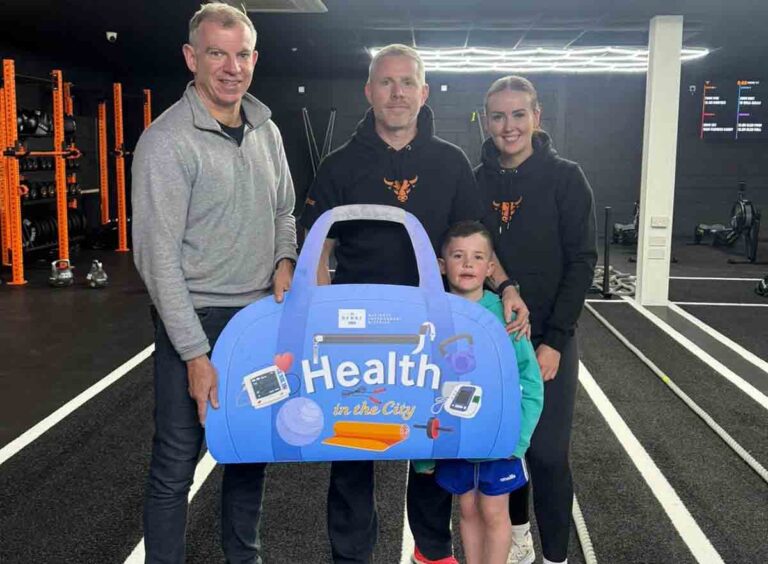
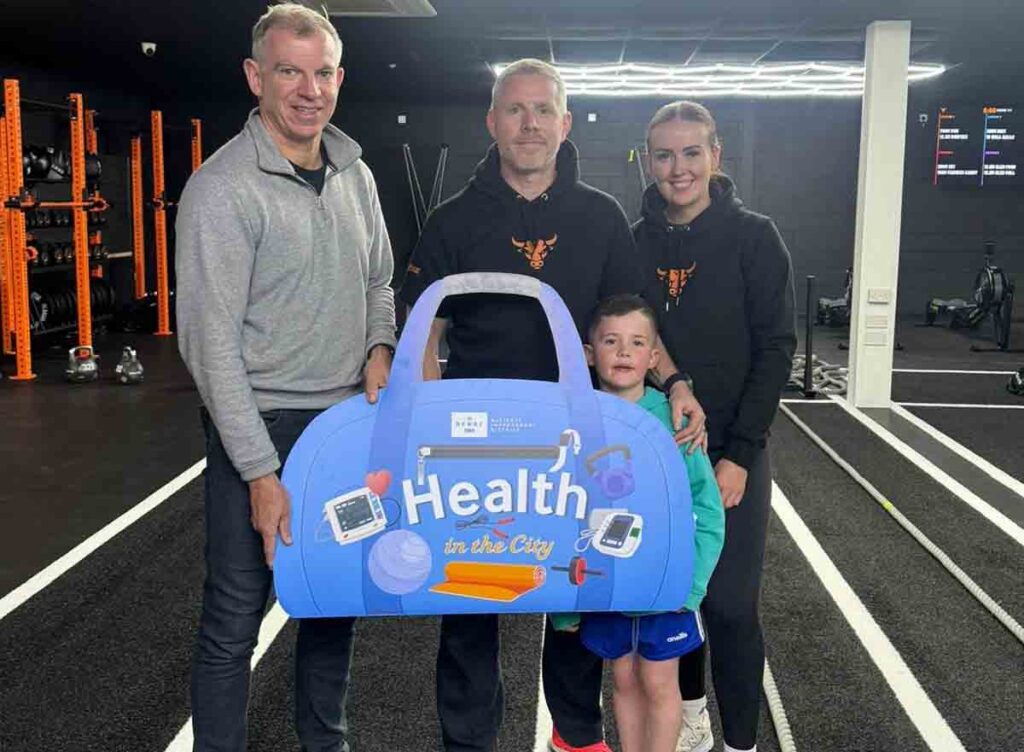
Eamonn Connolly, Newry BID Manager, left, pictured at the launch of the Family and Business Tryka as part of Health in the City, at No Bull Gym in Newry with Garry Meehan from No Bull Gym, Garry’s wife Caoimhe from City Sips Café and their nephew Christopher.
The programme also features a range of wellbeing workshops, including Strength from Within with Lianne McCooey, hosted at Sugar House Cafe. This session focuses on resilience, mindset and self-compassion, with all costs covered by Newry BID.
In partnership with the Southern Health and Social Care Trust, the programme includes free health checks and skincare awareness sessions as part of the Care in the Sun campaign, supporting early detection and preventative health.
There are also practical safety and awareness sessions, including self-defence training for women and girls delivered in collaboration with Strike Back Self Defence, alongside financial health checks and fraud awareness workshops with Bank of Ireland and Ulster Bank.
Weekly activity is also a core feature of the programme. Movement on the Mall takes place every Wednesday in Buttercrane Shopping Centre, offering accessible, chair-based movement and yoga sessions delivered by instructors from The Powerhouse, Newry. Free refreshments will be provided for all participants.
Additional highlights include the Penalty Shootout Challenge and a series of creative and wellbeing workshops for families, young people and young adults at Studio 23.
Eamonn Connolly, Manager of Newry BID, said: “Health in the City is about making wellbeing accessible to everyone. We have created a programme that removes barriers to participation, with free events right across the city that people can simply book and take part in.
“We would encourage everyone, whether you are coming along on your own, with family or as part of a team, to get involved and make the most of what is on offer over the coming weeks.”
The Health in the City programme runs until the end of May, with booking now open for all events at:
NI Fishing Industry On Cliff Edge Says Jim Shannon MP Due To Crisis Over Accessing Foreign Crews
The Northern Ireland fishing industy is facing a perfect storm and it has issued an urgent call for government action to address a deepening recruitment crisis that threatens the future of the sector and the coastal communities it sustains.
Northern Ireland Fish Producer’s Organiation CEO Dr Lynn Gilmore and Trevor McKee, Chairman, Chairman, outlined their case to the Minister for Migration and Citizenship, Mike Tapp MP, at a meeting in the Home Office on Monday 20th April.
The meeting was secured and facilitated by Jim Shannon MP, and Mike Cohen from the National Federation of Fishermen’s Organisations was also in attendance.
An estimated 70% of workers in the Northern Irish Nephrops and scallop fleets are currently employed either through the Skilled Worker Visa (SWV) route or under the transit visa mechanism. Industry leaders warned that neither system provides a stable or workable solution for vessel owners or crew.
Strangford MP Jim Shannon MP, right, attended a meeting with Mike Tapp, centre, Minister for Migration and Citizenship, and Dr Lynn Gilmore and Trevor McKee (CEO and Chair of the Northern Ireland Fish Producers Organisation), and Mike Cohen, left, National Federation of Fishermen.
The NI fishing industry is calling for the introduction of a bespoke visa tailored specifically to the needs of the sector. Such a scheme would enable the recruitment of a limited number of non-UK crew members — estimated at around 250 workers — on a seasonal basis.
Jim Shannon MP has said: “Under the proposed model, visas would be issued for up to 10 months of the year, reflecting the seasonal nature of fishing.
“A mandatory two-month break would ensure that workers do not contribute to net migration figures (as the opportunity to apply for indefinite leave to remain would be removed by having a break in employment), while maintaining a reliable, valued and experienced workforce.
Ardglass harbour: crewing the big prawn fishing boats has become very difficult as access to foreign crews is limited. And with the increase in fuel prices, a drop in prawn prices, the loss of the IOM fishery, against a backcloth of an ageing fleet in Ardglass and a wider economy that is ailing, the fishing industry is not in good stead.
“The stakes are high. Research by Seafood Cornwall indicates that each job at sea supports up to 15 jobs ashore.
“Without a viable crewing solution, the consequences could include widespread vessel tie-ups, consolidation of the fleet, and significant disruption to the wider seafood supply chain across Northern Ireland and Great Britain.”
The NI fishing industry representatives urged Mike Tapp MP to work collaboratively with stakeholders to design a visa system that meets both regulatory requirements and operational realities and avoid a cliff edge while initiatives to recruit domestically are progressed over the next 5- 10 years.
Jim Shannon added: “Failure to act, industry representatives have warned, risks the collapse of a sector that is central to Northern Ireland’s economy, food security, and cultural identity.”
Minister Mike Tapp was open to the arguments put forward by industry leaders and acknowledged the issues faced. He committed to consider the information presented and respond in due course.
The NIFPO represents fishing vessel owners in the ports of Ardglass, Kilkeel and Portavogie. The wider communities are currently looking into a void of uncertainty not knowing if their historic indigenous industry has a future.
A strong performance from Strangford FC with a Conal Fitzsimmons hat-trick was too much for Downpatrick
The Newcastle and District Amateur Football League,
Venue, St Dillon’s Park, League match,
Final Score: Downpatrick FC 2 5 v Strangford FC.
Downpatrick FC were hoping to end their season with a win but it didn’t work out for them as Strangford kept up the pressure attacking through the match.
Having had a good season, the Downpatrick team are firming up to be serious contenders in the NADAFL premier league having won the league cup and contending in finals.
Both teams quickly set to locking horns testing defences and after a few minutes, Morgan McCoubrey who was back after a spell had the first shot at the Strangford goal but it was held by keeper Luke Shields.
On 10 minutes, Strangford Shea Savage received a cross from the right and his shot came off the keeper but he nailed it second time round.
Downpatrick broke forward in response and a pass to Anthony Carson ran too far for a touch at the Strangford goal.
Gradually Strangford seemed to take the upper hand but Downpatrick were making odd breaks and on one occasion McCoubrey beat the offside trap and fired from the back of the box but was just wide of the left hand post.
Fionn McFall was proving to be a solid anchor back spreading the ball up-field to the front line and wingers as Strangford looked the more dominant side.
On a break Strangford’s Paul Kelly almost headed in with a soft nob but it went the wrong side of the post as they piled on the pressure.
Captain Conal Fitzsimmons started to come into the game more and had a couple of pops at the Downpatrick goal then eventually he received a cross into the box from the left wing and put it into the back of the Downpatrick net on 30 minutes.
Again Downpatrick pressed forward trying to close the goal difference and captain Aaron McGarry hit a shot but it flew over the top bar.
Downpoatrick forward Anthony Carson battles to keep possession as Strangford midfielder Shane Teggart presses in.
Eight minutes later Owen Curran added to the Strangford tally by rocketing in a dipping ball from a free kick that came over the heads of the Downpatrick back line.
At the half-time break, Downpatrick still hadn’t scored despite a number of useful runs.
As the second half commenced, the home side came out fighting and after 9 minutes of play referee Aidan Sharvin awarded a penalty to Downpatick when Ronan Cope was taken down in the Strangford box. Cope converted the penalty well puting Downpatrick on the score sheet.
Again Downpatrick pushed forward and Shea Holland passed through to Jack Hynds whose shot was on the wrong side of the Strangford top bar.
Conal Fitzsimmons was making persistent attacks looking threatening and he struck again in the 66th minute when he attacked the Downpatrick goal and managed to work the ball past the defenders and keeper and hit low into the net.
Then in the 84th minute Conal secured his hat-trick when sub Killian Swail floated the ball into the Downpatrick box where he again battled with defenders and got a touch putting the ball over the line. He was then substituted by Stan Marquess.
Morgan McCoubrey on the ball moves past Strangford’s Luc Tolan.
Almost on the final whistle, Conor Moore received the ball from a kick by Morgan McCoubrey on the left and smashed it into the Strangford net.
Overall, Strangford took their chances and made them work. Conal Fitzsimmons was on fire on the day too. There were good performances from Downpatrick players too but it was one of those days when their game just did not click.
North West 200 must be used to drive tourism and economic growth
Ulster Unionist Deputy Leader and Economy spokesperson Diana Armstrong MLA has welcomed the return of the North West 200, highlighting the event’s significant contribution to Northern Ireland’s tourism economy and calling on the Executive and Tourism NI to maximise its potential.
Diana Armstrong MLA said: “The North West 200 returns to the North Coast tomorrow, once again cementing its place as one of the most significant events in Northern Ireland’s tourism calendar.”
The UUP has said the North West 200 can be a bigger tourism driver. Pictured is Downpatrick biking enthusiast Aidan Flanagan on his Yamaha bike
The International North West 200 is was first held in 1929 on a 8.970 mile circuit around Portstewart, Coleraine and Portrush (The Triangle).
The race weekend draws over 150,000 visitors from across over the world.
Bikes reach up to 200 mph on a course that is certainly one of the fastest in the world.
Diana Armstrong added: “For almost a century, this iconic event has drawn visitors from across these islands and beyond, attracting many spectators and delivering an estimated £20 million boost to the local economy.
“It is far more than a race. It is a global showcase for Northern Ireland, combining world-class road racing with the stunning scenery of the North Coast and the warmth of our local communities.
“Our Executive and Tourism NI must continue to capitalise on this opportunity enhancing the visitor experience, supporting local businesses, and promoting the wider region so that those who come for the race leave wanting to return and explore more of what Northern Ireland has to offer.
“Events like the North West 200 demonstrate the immense potential of our tourism sector, and with the right focus and investment, they will continue to drive economic growth and strengthen our international reputation.
“I hope everyone enjoys the bank holiday weekend and the racing but please, stay safe on the roads.”