
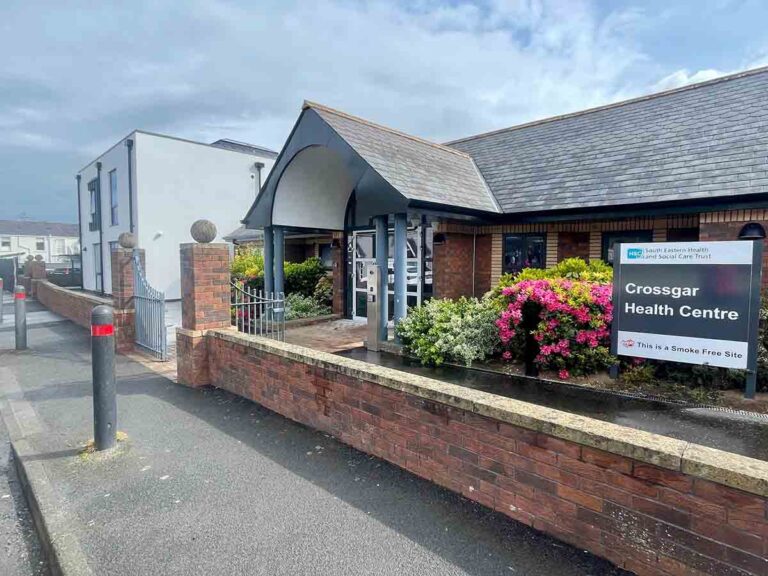
Trust Delivers £2M Crossgar Health Centre

£2M investment for more integrated care made by the South Eastern HSC Trust at Crossgar Health Centre

Crossgar sees a £2 million extension opened at the South Eastern Trust’s Crossgar Health Centre, bringing GP services together with Treatment Room and Multi-Disciplinary Team services under one roof on the Health Centre site.

The development sees staff previously based at Crossgar Clinic now co-located within Crossgar Health Centre alongside GPs, Dr Trainor, Dr Smyth and Dr Wylie, as well as Physiotherapists, District Nurses, Social Workers, Treatment Room Nurses and the Practice Nurse.
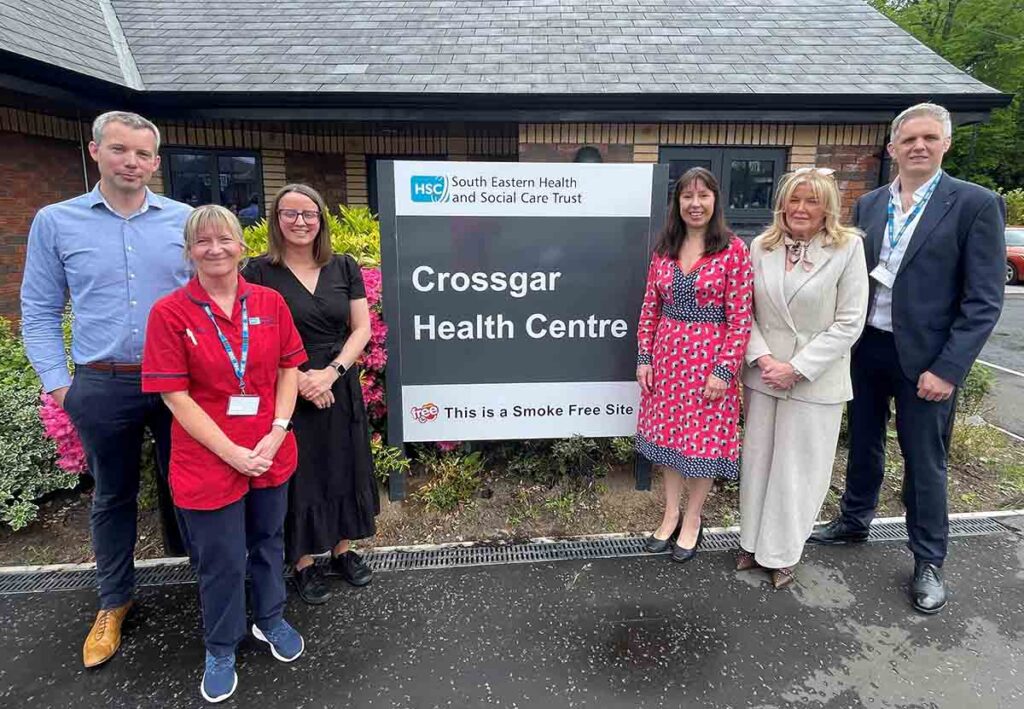
Dr Edward Wylie (GP, Crossgar HC), Joanne Kelly (Community Nursing Sister), Dr Anna-Marie Trainor (GP, Crossgar HC), Roisin Coulter, (Chief Executive, South Eastern Trust), Allison Hamilton (Practice Manager, Crossgar HC) and Jonathan Bradshaw (Asst. Director of Estates, South Eastern Trust). (Photos courtesy of the SEHSCT.)

The new environment will support a more joined-up, multi-disciplinary approach to patient care and make it easier for local people to access a range of primary and community care services in one place.

The project includes a new 12-room, two-storey extension, along with refurbishment of parts of the existing building, creating a modern, fit-for-purpose environment designed to support care delivery now and into the future.

Capacity within the Practice has also been significantly enhanced, with improved accommodation for GP training, expanded clinical space for Practice Nurses and upgraded staff facilities.
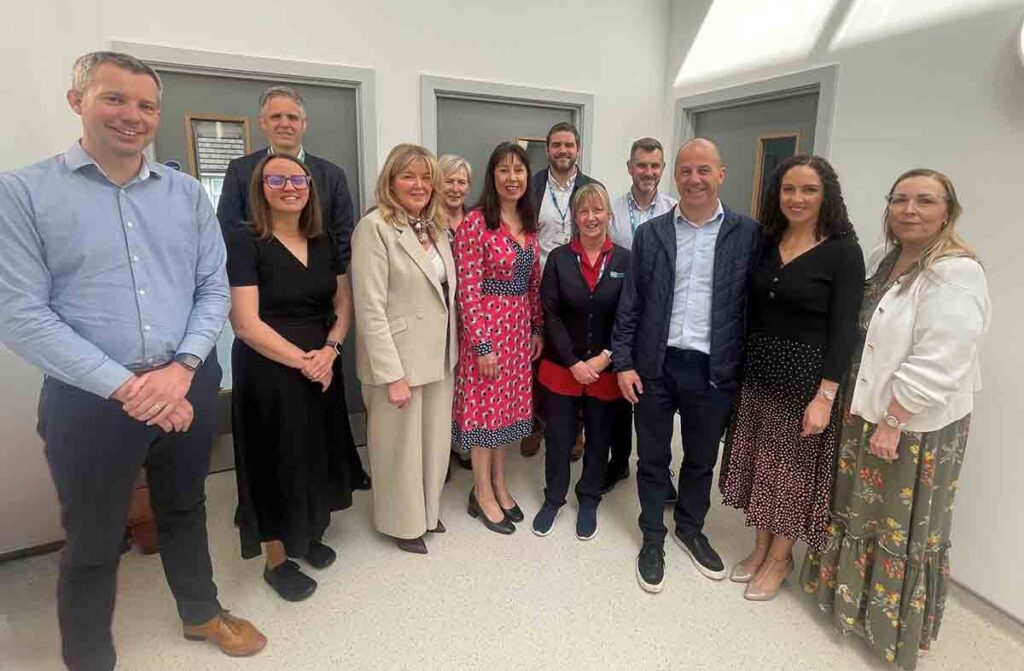
Roisin Coulter with staff from Crossgar Health Centre, SPPG and South Eastern Trust at the opening.

Together, these improvements will support the delivery of high-quality care while providing a better experience for both patients and staff.

South Eastern Trust, Chief Executive, Roisin Coulter said: “I am delighted to see the completion and opening of this significant extension at Crossgar Health Centre.

“This investment brings key services together under one roof, improving the experience for patients and supporting more integrated, team-based working.”

“It also provides modern, high-quality facilities for our staff, helping us to continue delivering safe, effective and person-centred care now and into the future.”
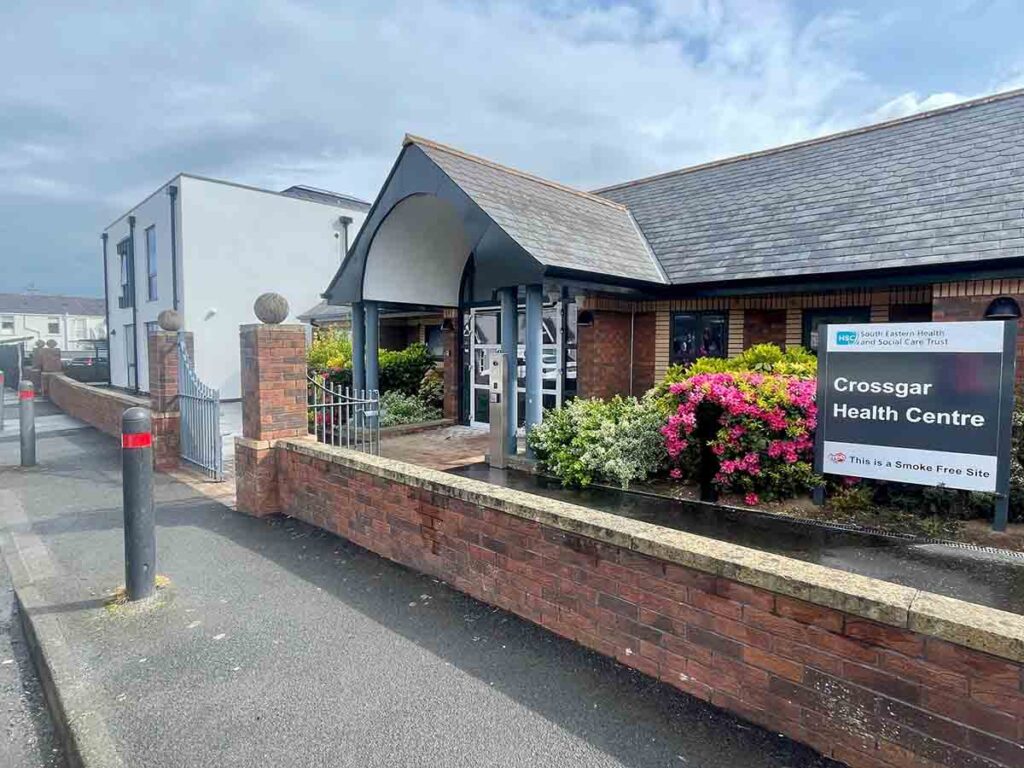
Exterior of Crossgar Health Centre with the extension.

Roisin Coulter added: “I would like to thank the Estates Team, Design Team and Contractors, J P & S Construction, who have worked with the services to deliver the extension and refurbishment of Crossgar Health Centre and provide the improved clinical accommodation and capacity. 

“Throughout the project, clinical services have remained live with the Project Team working collectively to reduce disruption and the impact on the services.

“The project has also improved the buildings energy efficiency with building fabric enhancements and upgrades to the lighting and heating systems helping support the Trusts sustainability goals.”

South Eastern Trust, Director of Primary Care and Older People, Veronica Cleland added: “This is a wonderful modern facility right in the heart of the community that will benefit both staff and patients. 

“Having our Multi-Disciplinary Teams working together in one location makes a real difference, enabling better communication, stronger teamwork and improved outcomes for our patients.

“It also creates a more supportive and efficient working environment for staff, ensuring we can continue to meet the growing needs of the local community.”
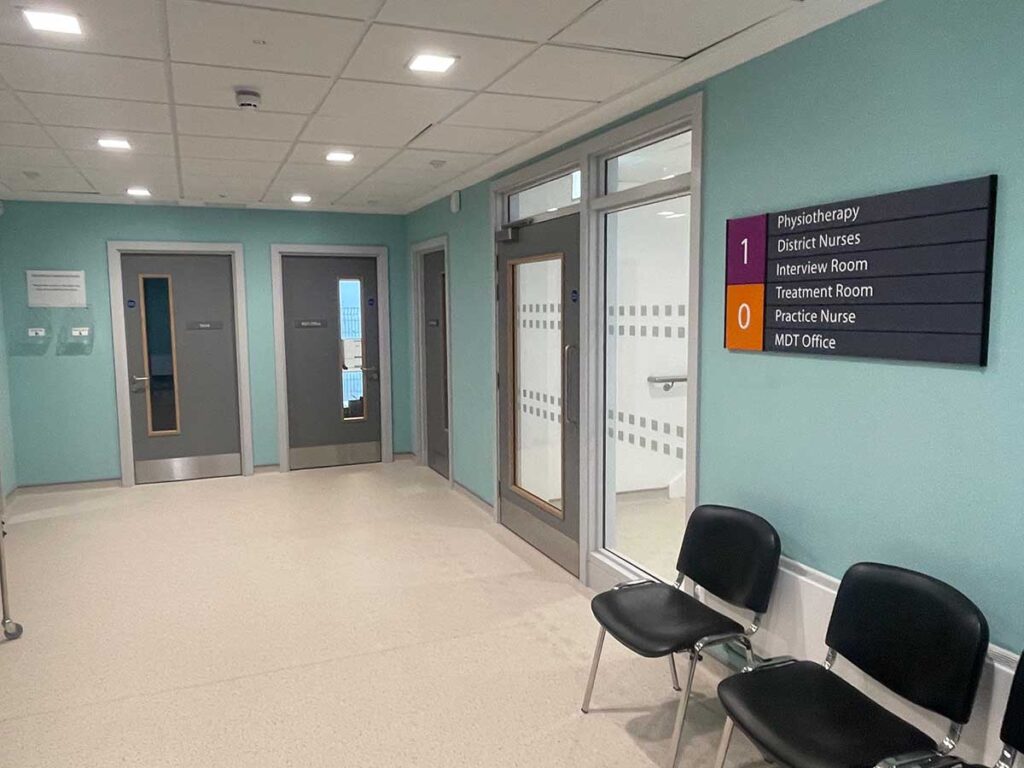
A spacious interior.

Practice Manager, Allison Hamilton, said: “This £2m investment marks a significant milestone for The Surgery and for our local community.

“The new Crossgar Health Centre brings together GP services, a modern treatment room and the MDT all under one roof, enabling more joined up, patient cantered care.

“I would like to sincerely thank everyone involved in delivering this project and to our patients and staff for their patience and understanding throughout the process. We look forward to welcoming patients through the door.”

Department of Health, Programme Director for the Primary Care Infrastructure Development (PCID) Programme, Martin Hayes, also commented saying: “Investment in GP premises remains a key priority for the Department of Health, helping practices to expand capacity and improve the environments in which care is delivered.

“Over the past five years, more than £8m has been invested across the South Eastern Health and Social Care Trust area to support developments like this.

“I was pleased to visit Crossgar Health Centre and see first-hand the positive impact the new accommodation is already having for patients and staff.”
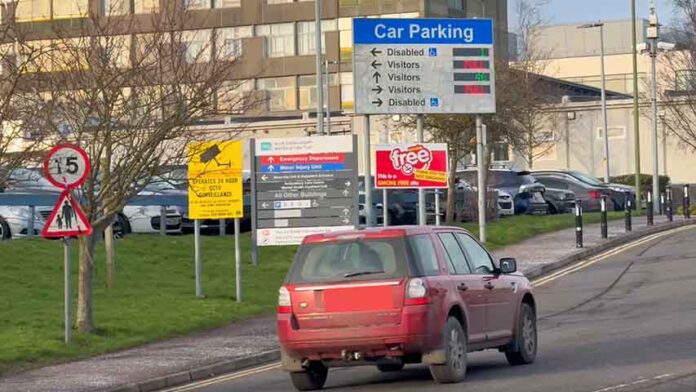
Hospital Parking Charges Will End By May 2029

Hospital Parking Charges Bill passes into law after securing Royal Assent

The Hospital Parking Charges Bill has passed into law, Health Minister Mike Nesbitt has announced.

The legislation defers the abolition of hospital parking charges as provided for in the Hospital Parking Charges Act 2022.

The Bill was introduced as a result of the severe financial pressures facing the health and social care system and to ensure the prioritisation of funding for frontline services.

The Health Minister explains that legislation recently passed defers the abolition of hospital parking charges after 12th May 2029.

The Bill enables the Department, by regulations, to set a new date for the 2022 Act to come into operation and for hospital parking charges to be abolished. The date specified must be no later than 12th May 2029, and potentially sooner if the financial circumstances allow.

Any such regulations would require approval by the Assembly before coming into force.

Health Minister Mike Nesbitt said: “Removing hospital parking charges would have stripped £7M from our Health & Social Care system at a time of severe budgetary constraints. It would simply have been unaffordable.

“Such a loss in the current financial environment would have resulted in reductions elsewhere, directly affecting services provided to patients and families.

“This legislation therefore protects frontline services from that immediate and unmanaged loss of income.

“The Bill allows for a deferral of a maximum of three years, and no later than May 2029. Importantly, if financial sustainability is achieved sooner than expected, the legislation provides for the 2022 Act to come into operation at an earlier date.”

Protect Your Skin From UV Rays

Early detection saves lives: Be UV aware, protect your skin and check for changes

Skin cancer is the most common cancer in Northern Ireland, so this Sun Awareness Week [11-17 May], the Public Health Agency (PHA) and Cancer Focus Northern Ireland are encouraging everyone to protect their skin from UV damage and check regularly for signs of skin cancer.

Frances Dowds, Health and Wellbeing Improvement Manager at the PHA, said: “We all love to see the sunshine coming at this time of year. Sunlight provides many benefits, it promotes good mental health, helps prevent disease, provides our bodies with vitamin D, lowers blood pressure and supports good bone health.

“However, we need to ensure we are protecting our skin properly in order to enjoy it safely as over-exposure to UV radiation through sunlight can damage skin and cause the majority of skin cancers.

In Northern Ireland, skin cancer is the most common cancer and accounts for over 31% of all cancers diagnosed. Over 4,000 people develop skin cancer each year and almost 1 in 10 of these are malignant melanoma, the most serious form.

Malignant melanoma rates have risen over the past 40 years from an average of around 100 cases per year in the mid-1980s, to over 400 in recent years.

“There is also no safe limit for exposure to UV radiation from sunbeds. Research shows people who have used a sunbed at least once at any stage in their life have a 20% higher risk of developing melanoma skin cancer than people who have never used a sunbed.

“The good news is that the majority of all skin cancers are preventable by undertaking simple sun protection measures.”

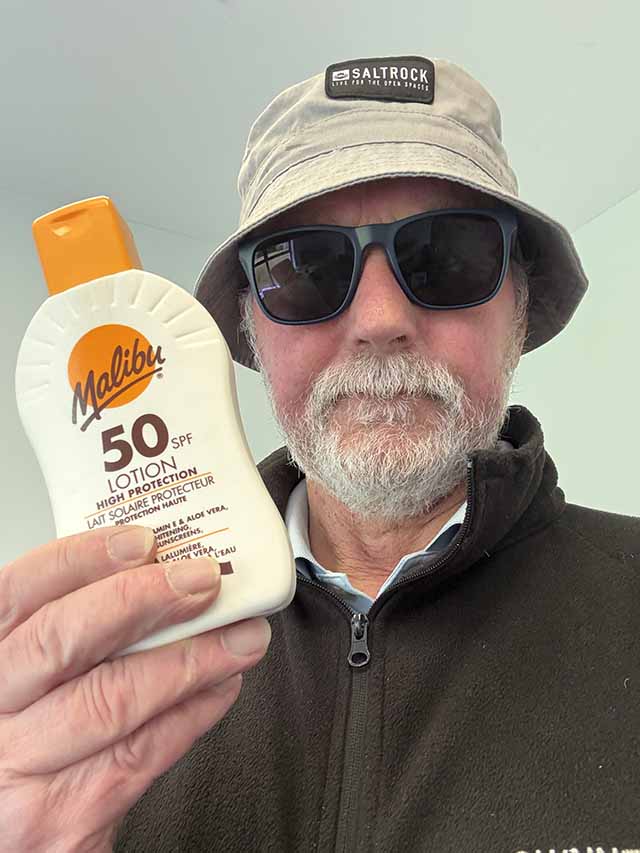
Prevention is better than cure: protect your skin from UV light which can cause skin cancer. Jim Masson from Down News uses Factor 50 sun cream, a hat and proper sunglasses to minimise the effects of the sun.

Top tips for protecting your skin from cancer:

Check when you are most at risk from UV radiation. Levels of UV radiation are highest in Northern Ireland between March and October – even when it is cool or overcast.

If you are going outdoors, check what the UV index will be throughout the day. You can check daily and hourly UV index forecasts via most weather apps on your mobile phone.

Help protect your skin when the UV index is 3 or more by following this guidance:

• Stay in the shade between 11.00am and 3.00pm, when UV rays are strongest.

• Cover up with suitable clothing.

• Wear a broad brimmed hat and sunglasses with 100% UV protection.

• Buy sunglasses that have a CE mark or carry British Standard BS EN ISO 12312-1.

• Use sunscreen on exposed skin; an SPF of at least 30 and UVA 4 stars as recommended by the Department of Health and National Institute for Health and Care Excellence.

• Babies under six months should stay out of direct sunlight. If exposure to sunlight is unavoidable, apply a small amount of high protection sunscreen to exposed areas, such as the cheeks and back of the hands. For children over six months choose SPF 30 or SPF 50 to protect against UVB rays and minimum UVA 4 stars. Higher SPF will give more protection.

• Avoid sunburn by never allowing your skin to go pink or red in the sun. Sunburn doesn’t have to be raw, peeling or blistering skin; for people with darker skin, it might feel tender, irritated or itchy.

• Choose and use the correct amount of sunscreen – an adult needs six teaspoons distributed evenly on the body with an SPF of at least 30 and UVA 4 or 5 stars.

• Avoid sunbeds – they can cause over exposure to UV radiation.

• Check your skin at least once a month, be aware of any changes, and speak to your GP if you notice any mole changes, new moles or abnormal skin changes.

Protecting skin from damage is really important, but so is checking for changes to your skin or moles. Early detection and treatment of skin cancer can dramatically improve outcomes. Most cases of skin cancer are treatable, especially when caught early.

Naomi Thompson, Health Improvement Manager at Cancer Focus NI, said: “Regularly examining your skin for any new or changing moles, spots, or lesions is crucial in detecting skin cancer early. Checking your skin regularly, ideally once a month, could save your life.

“Get someone to help you check areas that are difficult to see, like your back and the backs of your legs. Don’t forget the soles of your feet, between your toes, your scalp, neck and nails. Always remember, know your skin and know what is normal for you.

“Common signs and symptoms include a new growth or sore that does not heal in 3-4 weeks. Look for anything that is inflamed, growing, bleeding, crusting, red around the edges, particularly itchy or painful, or changing in any way.

“It is normal to have freckles and moles. Most moles develop in childhood and adolescence. If, as an adult, you notice a new mole on your skin or if you notice any changes to an existing mole then get these checked by your GP.”

A new campaign focusing on encouraging sun safe behaviours and raising awareness of the health impacts of over-exposure to UV radiation is running in community pharmacies across Northern Ireland throughout May, as part of the Living Well service.

This campaign is an opportunity for you to chat to your local pharmacist about how to look after your skin, how to stay safe in the sun, talk about medication that could increase your skin’s sensitivity to sunlight and also to raise any concerns, especially in relation to prevention and early detection of skin cancer.

Where to get more information

You can find out what the daily UV index is for your area through the weather app on your smartphone or by downloading the Met Office app.

To find out more about taking care in the sun, visit:

www.careinthesun.org     

If you are concerned about any aspect of cancer, you can call Cancer Focus NI’s Nurseline on 0800 783 3339 to talk about any cancer-related issue or to find out more about the charity’s cancer support services.

NICHS Teams Up With Downpatrick ASDA

NI charity teams up with Asda Downpatrick to boost clean eating for heart health

Northern Ireland Chest Heart and Stroke (NICHS) has teamed up with Asda Downpatrick to host three workshops on healthy eating, sharing vital information with the community.

The sessions, held in towns across County Down, created a space for 60 people supported by the charity to come together, connect and take positive steps towards improved well-being.

Led by Ursula Digney from NI Chest Heart and Stroke, and Linda Owens, Community Champion at Asda Downpatrick, the workshops took place in Newtownards, Castlewellan and Downpatrick.

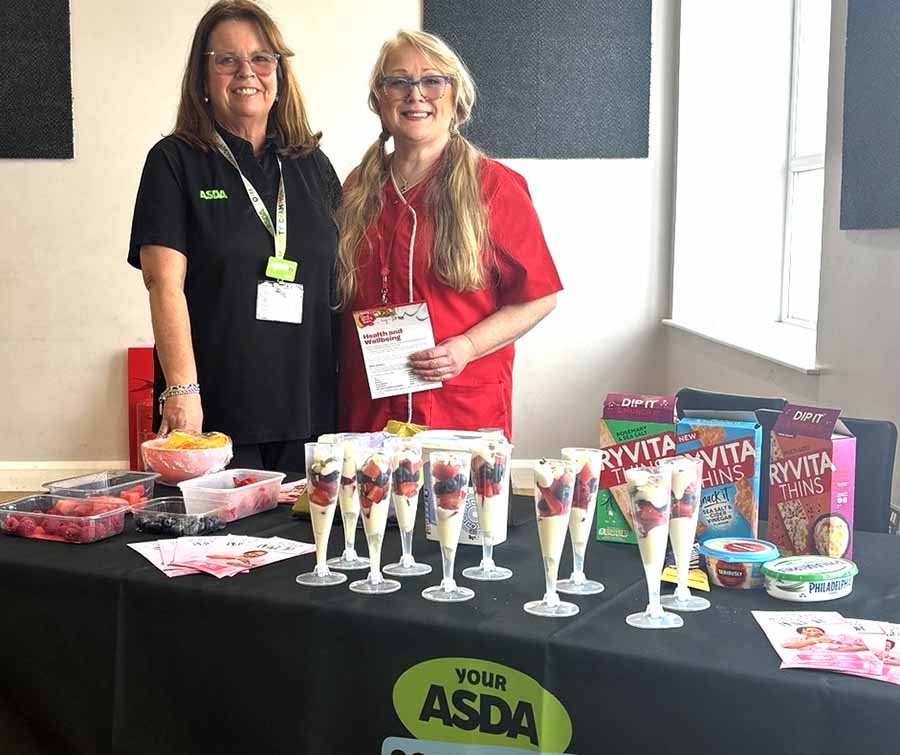
(l-r) Asda Downpatrick Community Champion Linda Owens teamed up with Ursula Digney from NI Chest Heart and Stroke for some community healthy eating sessions in Downpatrick, Castlewellan and Newtownards.

The groups explored simple ways to boost nutrition and support healthier eating from incorporating seeds and protein-packed Greek yoghurt into everyday meals.

The sessions were followed by a fun game of ‘Food Bingo’ which sparked

Ursula said: “It has been a pleasure working alongside Linda, combining our knowledge and experience around healthy eating to support the clients of Northern Ireland Chest Heart and stoke.

“Together, we’ve been able to share practical advice, encouragement and support to help promote healthier lifestyles within our community.”

Linda added: “What a fantastic couple of mornings we had bringing people together for our healthy eating groups. 

“There was lots of fun involved as we explored easy ways to boost nutrition and support healthier eating, like incorporating seeds and protein-packed Greek yoghurt into everyday meals.

“Each group ended with a game of Food Bingo which sparked lots of healthy eating ideas and conversations.

“Sessions like these show just how powerful community can be when people come together to support health and wellbeing. Thank you to everyone who joined us and made it such a success.”

DAERA Set To Showcase Its Work At Balmoral

See, Learn, Explore: visit the DAERA showcase at Balmoral Show 2026

With the countdown well underway to the 157th Balmoral Show, the Department of Agriculture, Environment and Rural Affairs (DAERA) is preparing once again to showcase how it supports Northern Ireland’s agri‑food and fishing sectors, rural communities and natural environment.

From 13-17th May, visitors to the Balmoral Show organises by the Royal Ulster Agricultural Society (RUAS) will be able to explore DAERA’s work at the Government Departments Exhibition (GDE), located prominently in the Eikon Centre, where an interactive showcase will bring to life some of the key issues shaping our countryside now and into the future.

The DAERA exhibition will cover topics such as animal health, sustainable food production, climate action, circular economy, nature recovery and water quality.

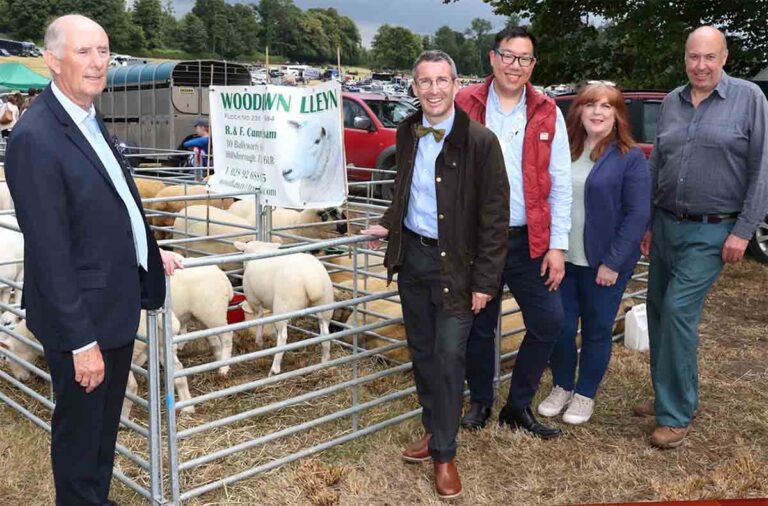
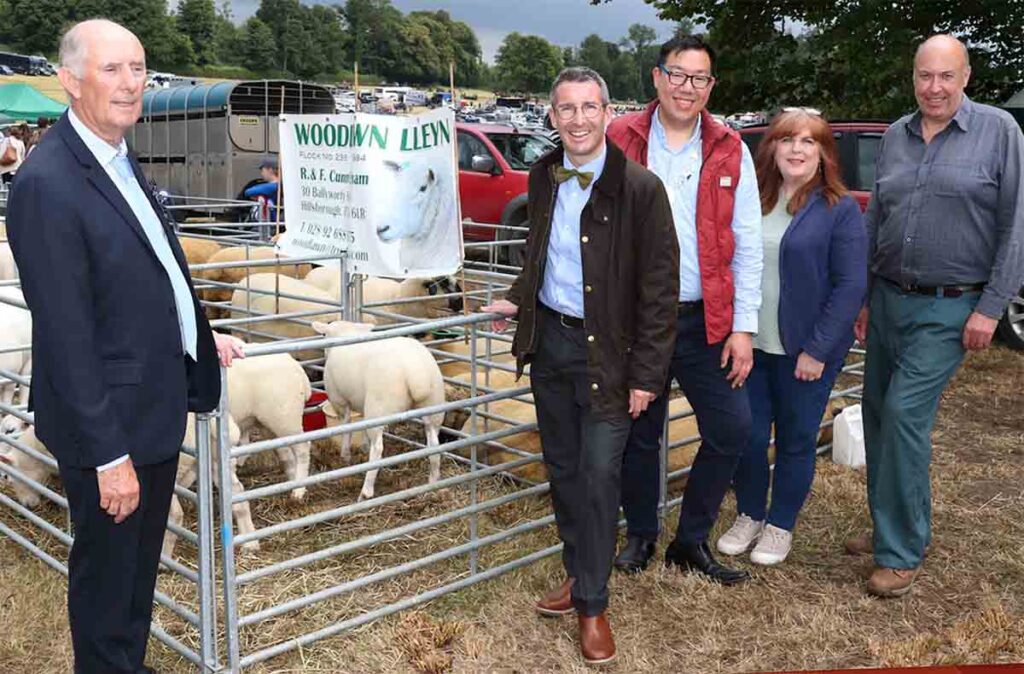
David Cunningham, current President of the Royal Ulster Agricultural Society, right, with Castlewellan Show Chairman, Francis McAlinden; DAERA Minister Andrew Muir MLA with party colleagues Councillors David Lee-Surginor and Helena Young (pictured in July 20024). The Lleyn sheep in the foreground are owned by David Cunningham. (Photo Jim Masson/DownNews©).

The exhibition features seven themed zones, showing how DAERA supports a thriving agri‑food sector while protecting and enhancing the environment.

Through hands‑on activities, visual displays and direct engagement with staff, visitors will see how policy, science and innovation come together to benefit our farming and rural communities, as well as the natural world.  

Visitors will have the opportunity to learn more about careers and training opportunities in the agri‑food and land‑based sectors, with the College of Agriculture, Food and Rural Enterprise (CAFRE) represented at the exhibition.

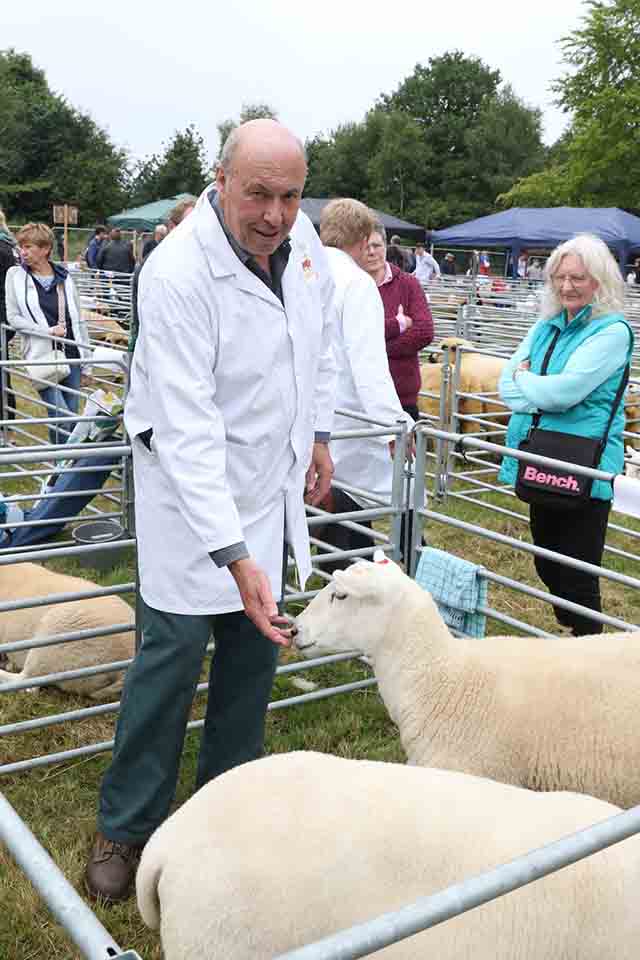
David Cunningham with his hardy Lleyn sheep pictured at the Castlewellan Show in 2025. He is now president of the RUAS for 2025-27.

Advice will also be available from staff representing other participating Government Departments and Agencies.

There will be something for visitors of all ages across the four-day event.

Interactive games, videos, displays and educational activities will engage younger visitors, while farm businesses and rural stakeholders can access practical information, advice and guidance on a wide range of issues.

A passport game has been designed for children to encourage their participation as they visit each zone – with a prize for completing the challenge!

A DAERA spokesperson said: “We are delighted to be back at the Balmoral Show – one of Northern Ireland’s biggest celebrations of farming, food and rural life, and a favourite family day out.

“If you are visiting from 13–17th May, pop into the GDE at the Eikon Centre to explore DAERA’s interactive zones, try hands‑on activities and chat to the team.”

End-Of-Life Conversations Are Best Had Early

Dying matters: end-of-life conversations help ensure wishes are fulfilled

The Public Health Agency (PHA) is encouraging people across Northern Ireland to start conversations about dying, death and planning ahead as part of Dying Matters Week, which is running from 4–10th May 2026.

This year’s theme, “Let’s talk about dying and death”, aims to break down the stigma around these conversations and support people to express what matters to them, including their wishes for future care.

While talking about death can feel difficult, having open conversations early can bring reassurance for individuals and loved ones, help ensure care reflects personal values, and help ensure people’s wishes are known and respected, while also helping health and care services respond more effectively when it matters most.

Don’t delay: discuss matters around dying sooner than later before there is an emergency.

Sally Convery, Nurse Consultant for Palliative Care at the PHA, said: “Dying Matters Week is about making space for conversations many of us naturally avoid.

“Talking about dying and death doesn’t hasten it, but it can make a real difference to how people live, how they are cared for, and how supported their families feel after death.

“Too often, people end up in hospital or care settings that are not their preference because their wishes, including practical issues such as their preferred place of care, were not discussed in advance.

“Planning ahead can help people receive the palliative and end‑of‑life care they want — whether at home, in a hospice or another setting — supporting dignity and choice while reducing unnecessary hospital stays and delays in discharge.

“We encourage people of all ages to talk with loved ones about what matters most to them, record their wishes for future care, consider financial arrangements, and identify someone they trust to speak on their behalf if needed.

“Having plans in place can make a meaningful difference for individuals and those who support them.”

Conversations about death are often delayed until a crisis occurs. At that point, decisions may need to be made quickly and without a clear understanding. 

Some simple steps that you can take to make your end-of-life experience better, both for yourself and for your loved ones, are:

  • Get your financial affairs in order, including making a will and checking with your employer and previous employers about pension arrangements.
  • Share your funeral wishes with your loved ones.
  • Plan your future care and support.
  • Talk through your wishes with your loved ones so they know your thoughts on them.

By planning ahead, people are more likely to receive care in line with their preferences, avoid unwanted or unnecessary interventions, and experience greater dignity and comfort towards the end of life.

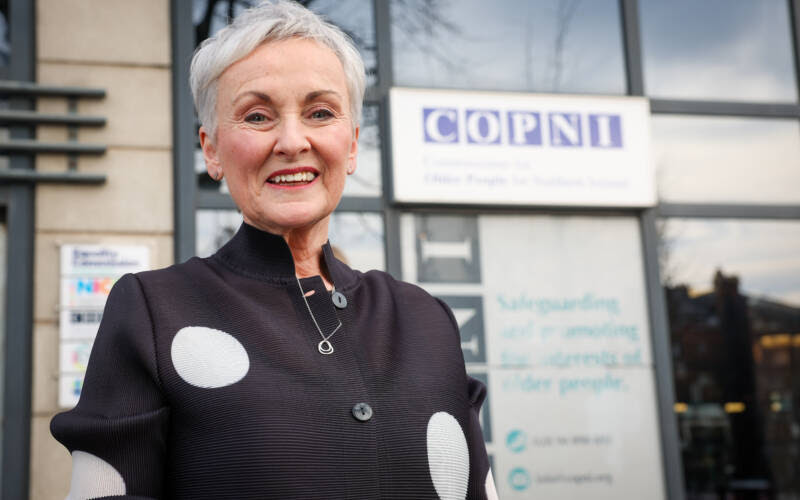
Siobhan Casey, the Commissioner for Older People in Northern Ireland says it is important to have conversations about dying and death.

The Commissioner for Older People for Northern Ireland, whose role is to promote and safeguard the rights and interests of older people, has also reinforced the importance of planning ahead, particularly for those in later life. 

Siobhan Casey, said: “Dying Matters Week is hugely important because it allows us all to have honest conversations about death and dying.

“Nobody likes to talk about death, be that their own, or that of a loved one, however. it helps your loved ones plan ahead, taking the pressure off making critical decisions during moments of difficulty or crisis.

“I support Dying Matters Week, because it’s an opportunity to make these difficult conversations a little easier and create a safe space where we can be open with our friends and family about something that we will all eventually have to face.”

Practical information and resources to support conversations about dying, death and bereavement are available at:

www.pha.site/DyingMattersResources.

A short explainer video is also available to help people better understand advanced care planning is available here:
https://vimeo.com/760303591 

Kilkeel Man Arrested Over Threatening Calls

Man arrested in Kilkeel following alleged threatening phone calls to two local councillors

A man has been arrested in the Kilkeel area on suspicion of three counts of ‘threatening communications’ under the Online Safety Act 2023.

The 36-year old was detained earlier today (7th May 2026) by Newry, Mourne and Down CID detectives investigating threatening telephone calls made to two local councillors in December 2025 and in February of this year respectively.

Chief Inspector Adam Ruston said: “It is a worrying reality that elected representatives are routinely the subject of abuse, threats and other criminality.

“This is wholly unacceptable and we will robustly investigate any offences reported to us. 

“We will also continue to do all we can to ensure that all of our politicians are supported and that they can undertake their role free from fear and intimidation.”

The arrested man remains in custody this afternoon.

(Note: The arrest is not related to a separate investigation by PSNI Terrorism Investigation Unit and Local Policing into an online video appearing to show masked and armed men which circulated on social media last year.)

POLICE UPDATE: 17.03pm. 7th May 2026.

Detectives from Newry Mourne and Down CID, investigating threatening telephone calls made to two local councillors in December 2025 and in February of this year respectively, have charged a 36 year-old man with three counts of ‘threatening communications’ under the Online Safety Act 2023.

He is due to appear at Newry Magistrates’ Court on Wednesday 3rd June. As is normal procedure all charges are reviewed by the PPS.

Downpatrick Races Preview And Tips For Friday

Downpatrick Racecourse: Preview and Tips for Friday’s Seven-Race Meeting

Friday evening’s race meeting at Downpatrick looks to be a competitive and compelling affair, with seven races for attendees to get stuck into. We have two steeplechases, four races over hurdles and one bumper to look forward to. 

Read on for a preview of and tips for the Downpatrick card by BetVictor Online Casino.

We begin with a two and three-quarter mile maiden hurdle (5.00). There are two newcomers here; Union Boy and Evangelic, the latter being an intriguing runner due to being bred for speed on the Flat. This choice of race looks somewhat bizarre.

Lady Cosmo is a point-to-point winner but has failed to shine so far under Rules, while Gordon Elliott’s pair of Spectaculeur and Loch Cuan should be factors. Back into Maiden company, though, is Willie Mullins’ Roc Dino, whose form appears to be the strongest. 

Next, over the same trip is a handicap hurdle (5.35). Noel Kelly’s Justicialism was a very close second at Down Royal last time in a 20-runner race, so he looks to have a favourite’s chance here on the same mark. Kalsman has beaten him in the past, but is perhaps a little high in the weights to do so again. Joya Del Mar also could have an each-way chance now, on a reduced mark. 

Don’t miss the horse racing at Downpatrick racecourse on Friday 8th May 2026 – first race is at 5pm. (Photo by Jim Masson/DownNews©).

Another maiden hurdle follows, this time over two miles and three furlongs (6.05). Bootscootinboogie is a newcomer, while Echinacea is tried under this code for the first time, having been useful at a low level on the Flat. The step up in trip looks to be a big positive for Endless Talking, who has shown some ability in his two starts over hurdles so far. 

Race four is a mares’ handicap hurdle run over two and a quarter miles (6.35). Course and distance winner Camlin Park is the topweight, but has been pulled-up on each of her latest two starts. Lagoon Nebula is good on her day, but has been known to refuse to race, so isn’t reliable. The extra distance might help A Snow White Park, who was a close fourth last time at Tramore. 

A two and a half mile handicap chase follows (7.05). Gavin Cromwell’sStruck Oil ran well last time out for second of 16, and should give another good account here. Katzoff could progress from a good showing last time, while Tsavo Park has a strong chance too and is given five pounds by Paddy Hanlon. 

The penultimate race is a three-mile handicap chase (7.35). Helen Markham’s Mastermind was a winner last time out at Down Royal, ahead of Hardy Diamond, who reopposes here after a run for third four days ago.

The turnaround may be too quick for him, but Mini Getaway looks to have a good chance. She finished fourth of 11 on testing ground at Naas in March and could go better on this firmer surface. 

Last of all is a mares’ bumper (8.05). We have a trio of debutants here; Largy Lily, Culldo and Magical Act, but they will have their work cut out for them to beat Kisuton Enki and Jo’s Secret, both of whom revert back to a bumper having placed over hurdles. The former is the better of the two and could win for Gordon Elliott. 

Downpatrick selections – Friday:

5.00 – Roc Dino

5.35 – Justicialism, Joya Del Mar e/w

6.05 – Endless Talking

6.35 – A Snow White Park

7.05 – Tsavo Park

7.35 – Mini Getaway

8.05 – Kisuton Enki.

DAERA Releases Key Rural Issues Data

The Key Rural Issues 2025 Publication From DAERA

The Department of Agriculture, Environment and Rural Affairs (DAERA) today published ‘Key Rural Issues 2025’.

This publication presents publicly available data from a range of Government and non-Government sources, from a unique urban/rural perspective, in order to highlight key urban/rural differences and disparities across a range of domains.

Key statistics from the report are summarised below:

Population growth in rural areas from 2001-20 has outstripped that in urban areas by a factor of almost 3 to 1 (20% to 7%).

• Young people from rural areas are more likely to leave school with 5 or more GCSEs at A* to C including GCSE English and GCSE Maths (77%, 68% in urban areas).

• Those from rural areas leaving school are also more likely to enter further or higher education (73%) than their urban peers (69%).

• Rural people of working age are more likely to be in full-time employment (62%) and less likely to be economically inactive (22%) than those living in urban areas.

• Average public sector earnings in urban areas (£35,620) exceed those in rural areas (£32,901), a trend also evident in private sector earnings in rural compared with urban workplaces.

• Workers from rural areas report being more highly skilled (55%) and are more likely to report high job satisfaction than urban workers (85% to 82%).

The Mournes: DAERA has produced a report examining the tensions between rural and urban areas. (Photo by Jim Masson/DownNews©).

• More than half (58%) of NI businesses are located in rural areas, yet rural businesses account for just 21% of employees, and just 31% of all business turnover.

• Rural businesses predominantly engage in agriculture, forestry, fishing and construction (57%), with urban businesses more widely spread across a variety of sectors.

• Rural workers (89%) were also much more likely to use their own transport to commute than those from urban areas (77%).

• Broadband availability and speeds in rural areas continue to increase rapidly, with full-fibre services available to 91% of rural NI households in 2025 (from 65% in 2022).

• People living in rural areas are consistently more likely to rate their happiness and life satisfaction as high, and their anxiety levels as low.

• In 2025, life expectancy is higher in rural areas (80.4 years for males, 83.9 years for females). Rural dwellers continue to wait longer for emergency service response than their urban counterparts.

• People from rural areas are less likely to directly experience several crime types than those in urban areas (including burglary, vandalism and violent crime).

• In rural areas, recorded crimes with a racist motivation more than tripled from 59 in 2023/24 to 200 in 2024/25.

• Similar proportions of urban and rural households are in relative poverty (18% urban, 17% rural) or absolute poverty (15% urban, 14% rural).

• Rural children in 2023-24 were less likely to experience absolute poverty than their urban counterparts (16% in rural areas, 25% in urban areas).

• Levels of home ownership are higher in rural than in urban areas (77% to 66%), with house prices in rural areas continuing to outstrip those in towns and cities.

Further information can be found in the Key Rural Issues 2025 report published on the DAERA website:

 https://www.daera-ni.gov.uk/publications/key-rural-issues

The Key Rural Issues 2025 report was prepared by Statistics and Analytical Services Branch, Department of Agriculture, Environment and Rural Affairs.

The Key Rural Issues 2025 report presents urban/rural statistical comparisons across the following domains:

  • Population
  • Education
  • Employment
  • Industry
  • Travel and tourism
  • Crime
  • Connectivity and access to services
  • Health and Wellbeing
  • Household income, housing and poverty

Downpatrick Solicitors Support Local Economy

Solicitor’s firms in Downpatrick and surrounding areas are integral to local community

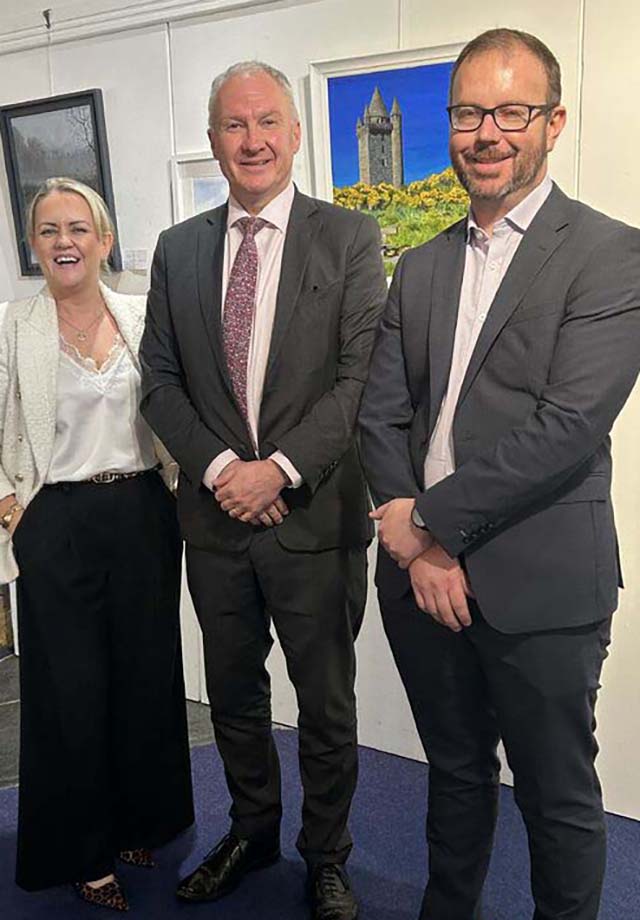
The President of the Law Society of Northern Ireland, Mark Borland has said we must acknowledge the invaluable contribution which solicitors make in supporting the local economy and the most vulnerable in our communities.

The President made his remarks during a special meeting of the Down Local Solicitor Association held at the St. Patrick Centre to discuss issues affecting solicitor practices and their clients in Downpatrick and surrounding areas.

The President of the Law Society of Northern Ireland, Mark Borland has said we must acknowledge the invaluable contribution which solicitors make in supporting the local economy and the most vulnerable in our communities.

The Law Society, which is the representative and regulatory body for local solicitors, is holding a series of engagements throughout Northern Ireland over the coming months to provide a platform for its members to meet and discuss issues of importance affecting solicitors and their clients.

Attending each of the scheduled local association meeting will be representatives from the Law Society of Northern Ireland including its President, Mark Borland.

Commenting the President said: “I am grateful to members from the Down Local Solicitor Association who took time out of their busy day to attend and to offer their insight into those issues of importance for their practices and clients.”