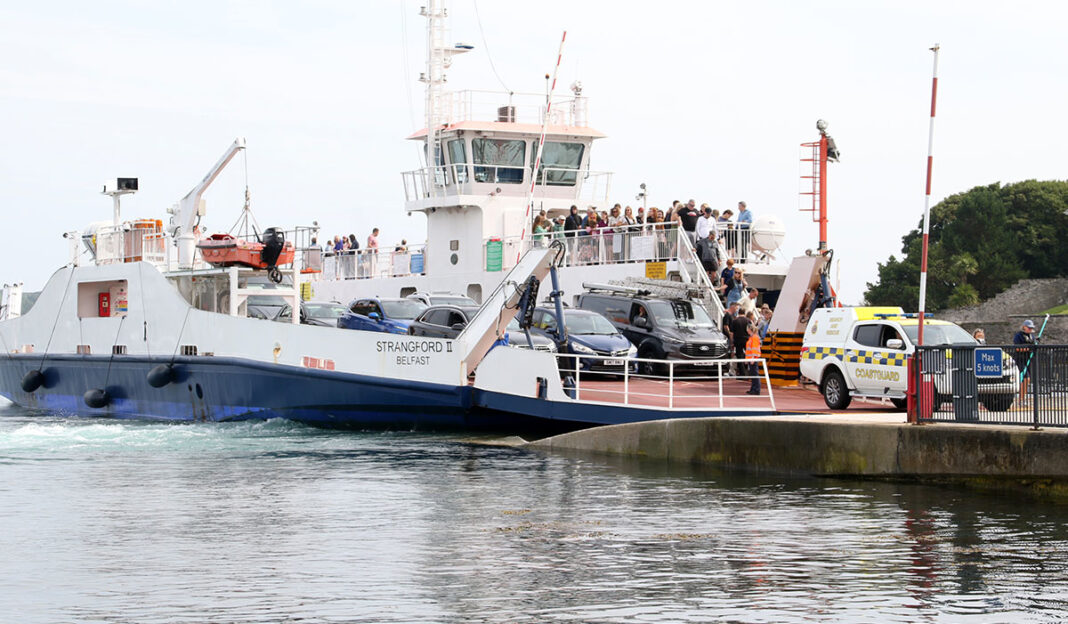



Transport for students in rural areas of County Down remains a persistent challenge. Pupils often face long journeys from scattered homes, travelling on narrow roads where public transport isn’t a reliable option. Immediate solutions need to balance student access with safety and affordability.
For school administrators, finding reliable and cost-effective transport solutions has become increasingly important. The traditional approach of maintaining an ageing fleet of vehicles can strain already tight budgets, while concerns about accessibility, safety standards and environmental impact add more layers to decision-making processes.
Many rural educational institutions are now seeking alternative approaches to student transport that balance practical needs with financial sustainability. From collaborative sharing arrangements to modern leasing options, schools are discovering that fresh solutions can help overcome the geographical barriers that might otherwise limit educational opportunities for children in remote areas.

Transport barriers facing rural schools in Northern Ireland
Many rural schools in County Down serve communities spread across large geographic areas. This can result in travel routes where some students face lengthy journeys each way. In these circumstances, the option of leasing a school minibus gains importance. It offers a practical alternative for schools unable to justify the cost of buying or maintaining larger vehicles, especially when public transport services remain infrequent beyond main routes.
Public transport in these areas is often limited to main routes, with service frequency decreasing sharply outside peak hours. For many rural families, this creates a considerable barrier to education access, particularly for after-school activities.
Budget constraints further complicate matters. Rural schools often face higher transport costs than their urban counterparts due to increased distances and eligibility requirements. These additional expenses put pressure on already stretched budgets, making financial planning a frequent challenge for school leaders.
The impact on students can be significant. Transport limitations may affect attendance rates, especially during poor weather conditions when families lack reliable transport options. Participation in extracurricular activities can also be lower, as some students are unable to stay after school due to transport barriers.
Flexible transport models transforming rural school access
Rural schools across Northern Ireland are moving away from traditional fixed-route bus services toward more adaptable transport solutions. This shift recognises the distinct needs of scattered rural communities and the difficulty of using standard models in these settings.
Customised transport arrangements now include smaller vehicles serving specific areas, timetables aligned with both core school hours and extracurricular activities, and routes that change seasonally based on student needs. These flexible approaches help schools increase attendance while reducing costs.
Some schools in County Antrim have implemented shared minibus systems with flexible pickup points. These initiatives aim to improve attendance and participation in after-school activities by coordinating schedules and maximising vehicle utilisation to better serve their communities.
Collaborative transport networks
Inter-school agreements create strong opportunities for making better use of vehicles. Through coordinating timetables and sharing maintenance responsibilities, partner schools can access dependable transport at a fraction of individual ownership costs. These arrangements work especially well for schools within a short distance of each other.
Community-school partnerships broaden these benefits further. Schools have established agreements with local community centres and sports clubs to share vehicle access. These partnerships create multi-purpose transport solutions serving educational, recreational and community needs.
Local authority coordination programmes in Northern Ireland help support these collaborative approaches. The Education Authority offers guidance on establishing formal sharing agreements, including templates for maintenance schedules, cost-sharing formulas and booking systems.
More details on effective school transport partnerships and collaborative planning can be found on official education websites, which provide policy updates and funding details for local institutions.
Financial approaches making transport sustainable for rural schools
Schools in rural communities often face the difficult choice between purchasing and leasing when updating their transport options. Upfront costs for a new school minibus can be substantial, not including ongoing maintenance. These considerations are important when planning for new vehicle procurement.
The Department of Education NI offers the Rural Transport Fund and the Shared Education Transport Grant. The Rural Transport Fund can contribute to the cost of a vehicle for qualifying rural schools. The Shared Education Transport Grant supports joint minibus use between neighbouring schools and helps reduce capital outlay. Several small rural schools in County Down have used these grants to secure minibus leases and lower costs through combined use.
Leasing a school minibus can help rural schools maintain budget stability. Regular payments often cover maintenance and servicing, preventing unplanned expenses related to ageing vehicles. This method enables timely replacement of older buses, ensures compliance with safety regulations, and prevents learning disruptions caused by vehicle breakdowns.
Navigating transport grants and funding
Accessing Department of Education transport funds requires a detailed needs assessment. Schools document student locations, current arrangements and accessibility requirements. Applications usually open in April each year, with decisions announced by June for implementation the following academic year.
Rural Development Programme transport grants target improved rural connectivity. These funds can support new transport solutions that benefit both schools and wider communities.
Community fundraising strategies have succeeded for many County Down schools. Sponsored events, business partnerships and alumni contributions have helped secure initial deposits required for leasing arrangements.
Technology innovations improving rural school transport efficiency
Route planning software helps schools create more effective transport arrangements. These tools factor in student locations, road conditions and traffic patterns to minimise journey times and cut costs.
Digital tracking systems allow real-time vehicle monitoring and provide parents with arrival information and notifications in case of delays. This technology reassures families and improves communication regarding transport reliability.
Scheduling applications assist with coordinating shared transport between schools and community partners. These systems help manage vehicle bookings and maintenance, avoid scheduling conflicts, and maximise vehicle use.
Electric and hybrid vehicles are drawing interest from rural schools concerned about cost and sustainability. While initial expenses are higher, running costs can decrease in several ways over time. Electric minibuses may lower spending on fuel since charging is often less expensive per mile than diesel refuelling within the UK. Maintenance bills can also be lower since electric vehicles have fewer moving parts and do not require oil changes. Schools might also benefit from local council initiatives or UK government support schemes, which can cover part of the upfront outlay or offer reduced charging tariffs for electric school transport. These combined factors can make electric minibuses a more cost-effective investment over time compared to diesel models.
Regulatory considerations for school transport solutions
Northern Ireland maintains specific licensing requirements for school transport drivers. Those driving vehicles with 9 to 16 seats as part of their paid duties must possess a D1 licence. Teachers or staff may drive under a standard car licence if they meet eligibility rules.
All educational transport vehicles face more frequent safety checks every ten weeks and must have improved braking, designated seating and emergency exits to meet safety regulations.
Insurance types depend on the transport model. Owned vehicles require comprehensive establishment motor insurance; leased vehicles may include insurance in the agreement.
Section 19 permits allow schools to operate transport for their activities without needing a full public service vehicle operator’s licence.
Consult the Department for Infrastructure’s School Transport Guidelines and the Education Authority’s Compliance Handbook for up-to-date legal obligations. Keeping up with funding, safety and partnership practices helps rural schools maintain reliable student transport and support equal access to learning opportunities across County Down.