


All about bumblebees and why they matter talk at Glebe House
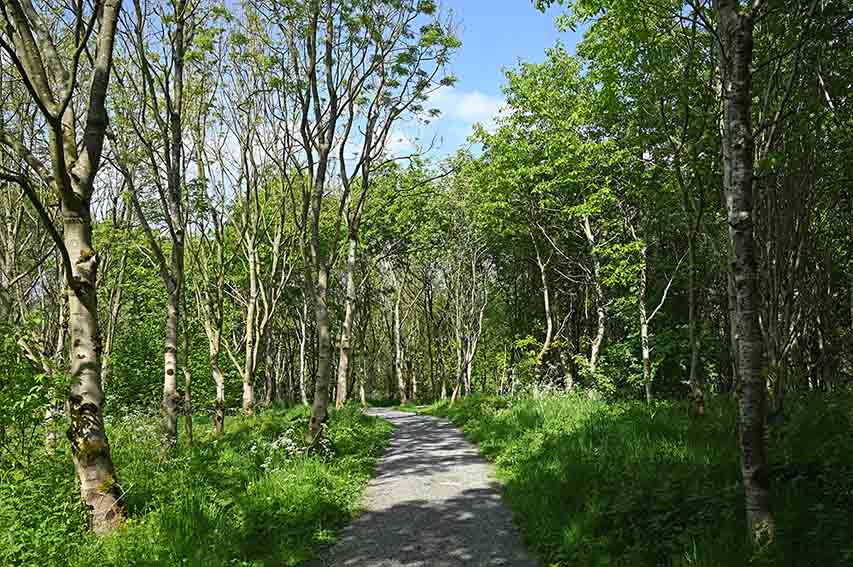
Tucked away in a wooded glade just off the road that leads into the small village of Kilclief, lies Glebe House which has been very much involved in community harmony and renewal over the decades.
And it continues to redefine itself to address the needs of the local area and indeed farther afield providing community education and a place for social interaction.
The speaker for the evening in the Spiring Talks Series, Geoff Newell, gave a talk at Glebe House last week to a group in very interested participants. He is very much involved in conservation having worked in this area for 9 years and in trying to improve biodiversity with a range of organisations including conservation charities, ecological consultancies, a community organic farm and a Council biodiversity department.
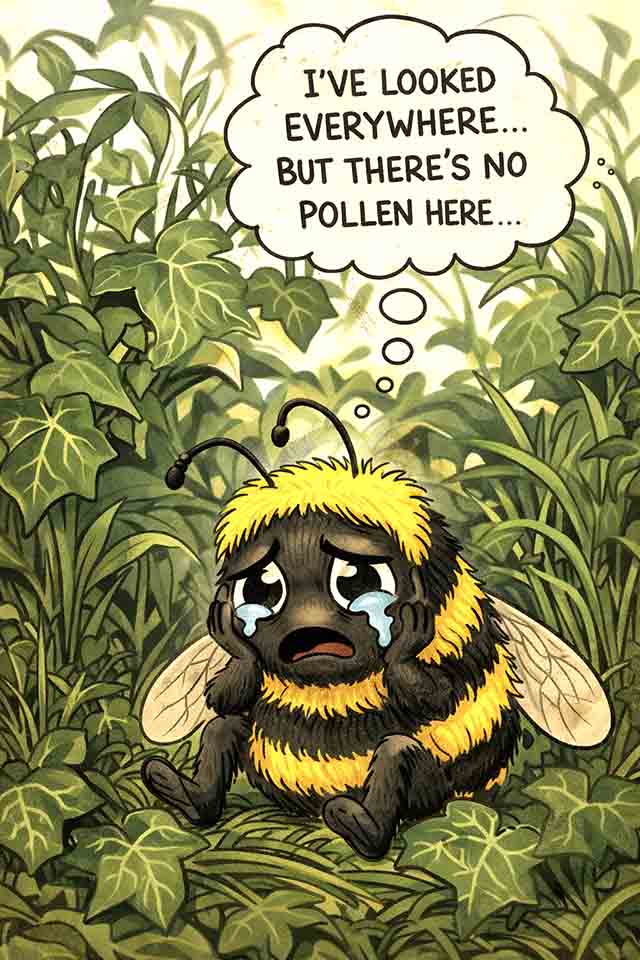
Geoff holds a Masters in Ecological Management and Conservation Biology from QUB, Belfast, and has a postgraduate certificate in Clinical Education along with being an Associate member of CIEEM.
As an active citizen scientist, he has covered a lot of ground. such as participating in the Irish Bumblebee Monitoring Scheme and BTO bird breeding surveys and received a Gold Badge for being a Pollinator Champion for the All Ireland Pollinator Plan.
And to add to this list of activities, Geoff is a volunteer carer and trainer with the NI Bat Group. He has undertaken training in Bat Sonogram analysis with the Bat Conversation Trust, Outdoor First Aid, Pesticide Training, and has an ONN level 3 from SERC. So all in all, he is eminently qualified.
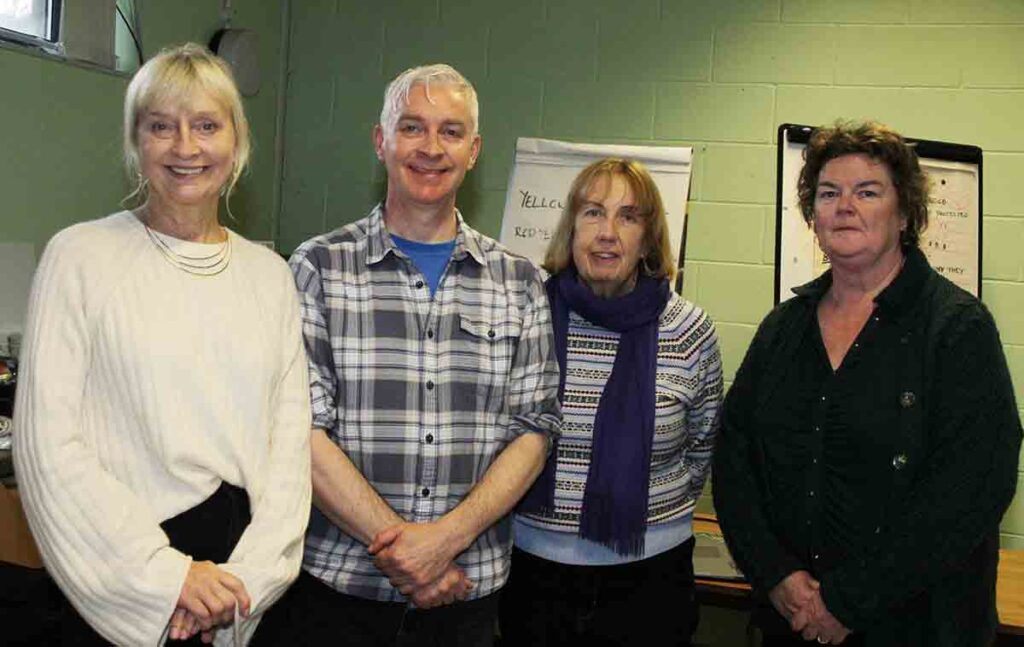
The attendees were in for a very interesting talk on bumblebees, and bees generally, but not focussed on bee management but looking more at the species aspects of this and their different characteristics.
Geoff explained that there were around 100 different species of bees in Ireland and 21 are classified as bumblebees. “They are part of the Hymenoptera order having evolved from wasps. In fact some of those bees may well be extinct now.
He said: “There are many factors affecting the resilience of bees such as climate changes, habitat, availability of food eg no late hay silage, , soil degradation, pesticides and insecticides, and bee diseases. One key factor is the loss of nature corridors. Many gardens now don’t grow plants that are bee-friendly.
“Even a small garden area, or a window box can be an oasis for bees. Bees love herbs, mugwort, alium, etc. but in late summer, they are attracted to honeysuckle, clovers, cornflowers, and campanula etc. flowering hedges such as escalonia are good too for bees and for their nesting.
“So avoid flowers, such as petunias, busy-lizzies, double headed begonias, and double-flowered plants, and use peat free compost. It’s good to create an unused strip to allow tufts of clover etc to grow in it.
And just to think that for the EU the economic value of bees is worth around £14 billion a year. Bees brush against the pollen and help fertilised the female parts of plants.
“The worker bees which are bred first gather pollen and mix it with nectar and attach it to their legs and go back and feed this you the young bees. In some parts of the world, there are very week pollinator stocks and people are paid to pollinate plants such as in China.
“I late spring, the queen bee emerges to form a new colony and lays her eggs eg in a mouse hole, and the first generation of workers take over the foraging for pollen. At the end of the year, the queen stops production of workers and then dies. But the bees tend to hibernate underground over the winter. In 2003, there was a newcomer called the tree bumblebee which arrived in the UK.
Geoff then discussed the different types of bumblebee such as the buff tails, white tails, the early bumblebee, the garden bumblebee, the common carder, and red tails.
He said that honey bees were smaller and could exist in colonies of up to 100,000 bees. And there were also solitary bees too called, miners, leaf cutters, masons and cuckoos.
Geoff added: “If you are really interested in bees, you could join the British Bee Conservation Trust and learn all about good practice in looking after bees.”