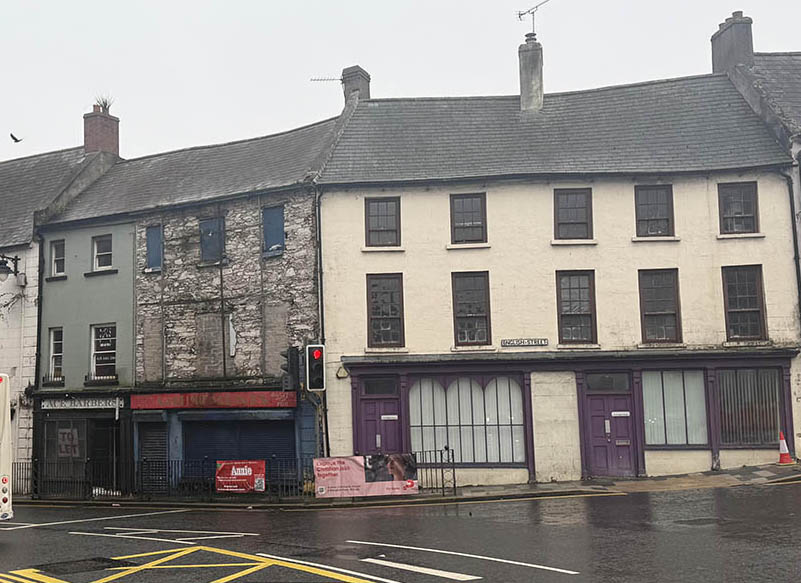



Cllr Galbraith calls on Council to address the growing deriliction in Downpatrick
Downpatrick SDLP Councillor Conor Galbraith has called on Newry Mourne and Down District Council to take action to tackle deriliction in Downpatrick and Newry.
Both towns have a number of deriliction issues specific to their areas.
Councillor Galbraith brought the proposal before Council seconded by SDLP colleague Killian Feehan, saying that Council should be doing more to restore vacant and dilapidated buildings, including offering incentives to property owners committed to redevelopment.

The motion will be debated at the next Economic Regeneration and Tourism Committee meeting (Monday 10th November 2025).
He also emphasised “the importance of this effort in boosting local business, enhancing civic pride, and improving quality of life” adding “a detailed implementation plan is expected within three months, with collaboration sought from key government departments and funding schemes.
Downpatrick SDLP Councillor Conor Galbraith concerned about the health and safety of people in Downpatrick, said: “I have spoken to a lot of people in Downpatrick who are really upset about the appearance of the town.
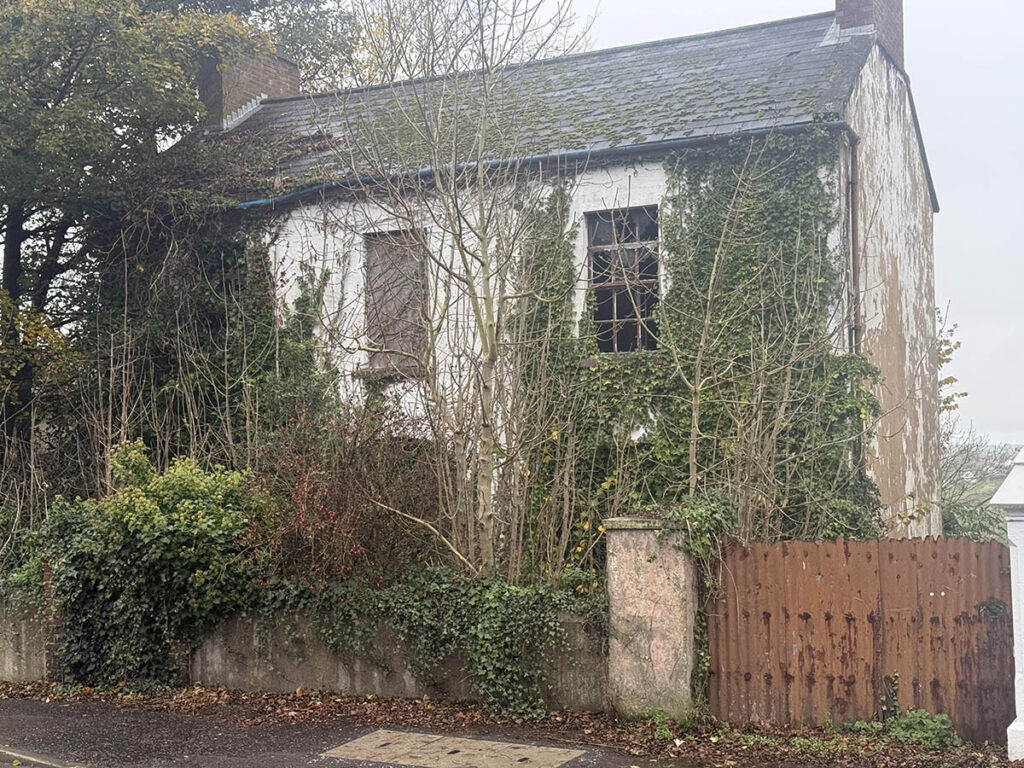
“The number of dilapidated and derelict buildings are rightly being pointed out as an eyesore and a sign of neglect.
“This is a serious problem for a number of reasons: it undermines the sense of pride that local people have in their community, and it makes Downpatrick a less attractive place for people to visit, work in, invest in, and socialise in.
“We need to see action taken to improve Downpatrick’s street appeal. That’s why the SDLP is asking the Council to establish a pilot programme to incentivise the redevelopment of vacant and derelict buildings.
“If we can bring these derelict buildings back into productive use, we will improve Downpatrick’s appearance, increase footfall for businesses, and we can restore the sense of pride that local people have in our town.”
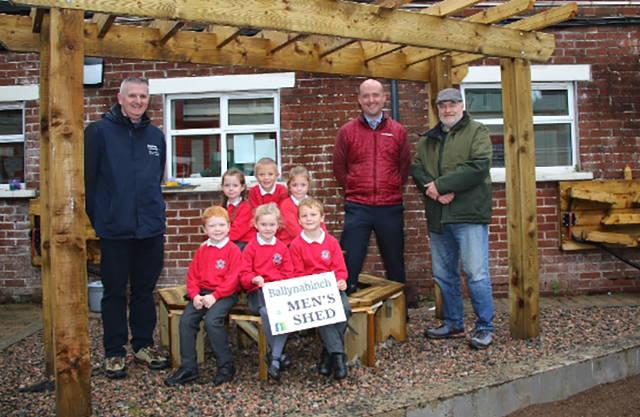
There too may be an opportunity to get the Downpatrick Regeneration Group involved as they are centrally involved in trying to revive Downpatrick.
***
But what is deriliction or dilapidation ?
In Northern Ireland there is not yet a fully defined legal definition of “dilapidation” in one single statute, but the emerging regime under the Dilapidation Bill (introduced to the Northern Ireland Assembly in June 2025) gives a good working description of how “dilapidation” is being treated.
Here are the key features of how it is defined and applied:
- “Building” is defined broadly to include any other structure.
- A person has an “interest” in land if they are owner, occupier, have a charge or financial interest, or are responsible for maintenance/management.
- The Bill expressly covers buildings or land which are in a state of dilapidation or neglect, and buildings in a dangerous condition.
- Local council powers will include issuing two key types of notice:
- a maintenance notice (for lower‐level issues)
- a dilapidation notice (for more serious dilapidation and neglect, including potential demolition).
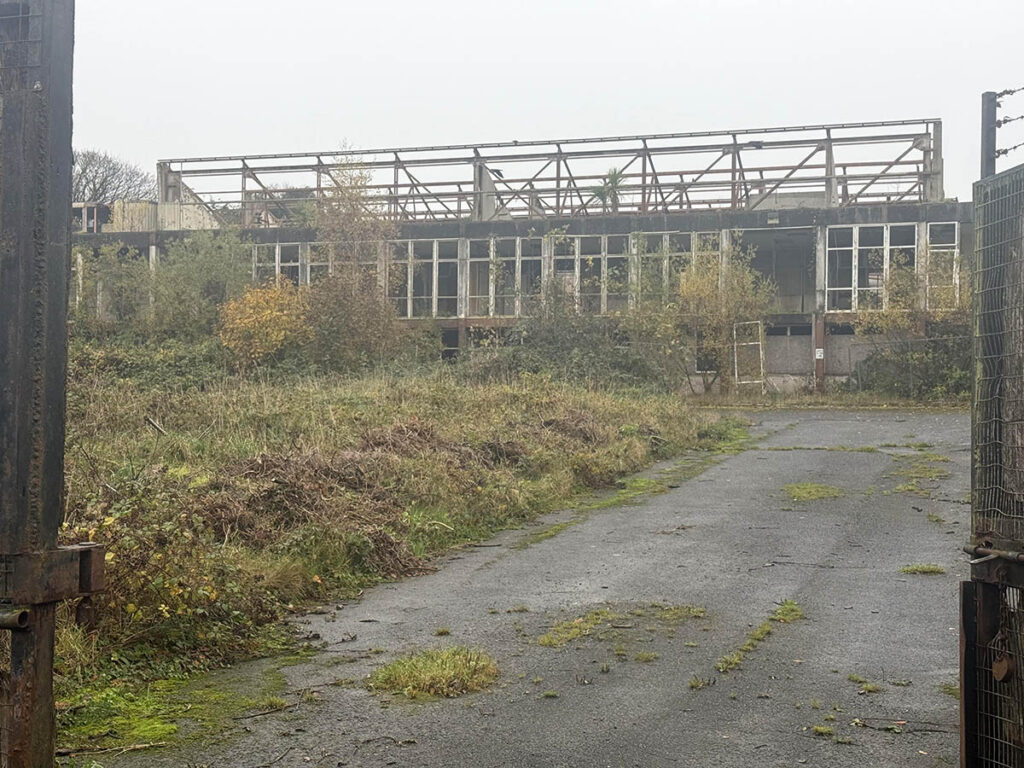
Therefore, in Northern Ireland, “dilapidation” in the context of building & planning enforcement essentially refers to a building or structure (or land) that:
• gives the council legal power (once the Bill is enacted) to issue notices demanding action, and to recover costs if necessary.
• is neglected, allowed to deteriorate, fallen into disrepair or void;
• is such that its condition is seriously detrimental to the amenity of the surrounding area (for example, safety risk, antisocial behaviour, vermin, dereliction),
• may require intervention by the local authority to carry out remedial works (including possible demolition) if the owner fails to act.
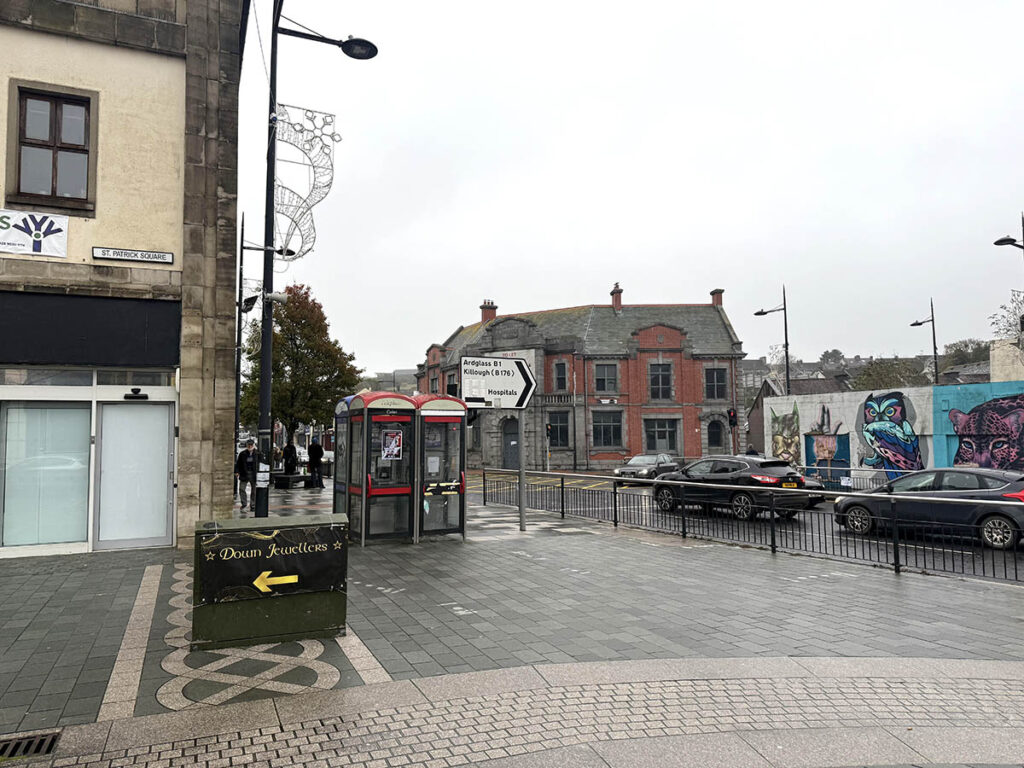
In a nutshell:
What “dilapidation” means in practice
So, in Northern Ireland, “dilapidation” in the context of building & planning enforcement essentially refers to a building or structure (or land) that:
- is neglected, allowed to deteriorate, fallen into disrepair or void;
- is such that its condition is seriously detrimental to the amenity of the surrounding area (for example, safety risk, antisocial behaviour, vermin, dereliction),
- may require intervention by the local authority to carry out remedial works (including possible demolition) if the owner fails to act;
- gives the council legal power (once the Bill is enacted) to issue notices demanding action, and to recover costs if necessary.