



Working and still hungry: food poverty pushes families in Northern Ireland to the brink
- Data from Advice NI and Trussell reveal a growing food poverty crisis hitting even full-time workers
- 7,525 households forced to turn to a food bank for the first time this year.
As the cost-of-living crisis deepens across Northern Ireland, frontline debt advisers are reporting a surge in working people – including nurses, civil servants, and other key workers – struggling to afford the most basic necessity: food.
Advice NI reports that 60% of its clients have cut back on food, with many regularly skipping meals so their children can eat or to cover essential household bills.
Alarmingly, many of those turning to food banks are in full-time employment.
Sinead Campbell, Head of Money, Debt and Quality at Advice NI, said: “We are seeing a steep rise in people who are working hard, often in critical public sector roles, yet are being forced to rely on food banks to feed themselves and their families.
“This is not simply food poverty – this is working poverty.”
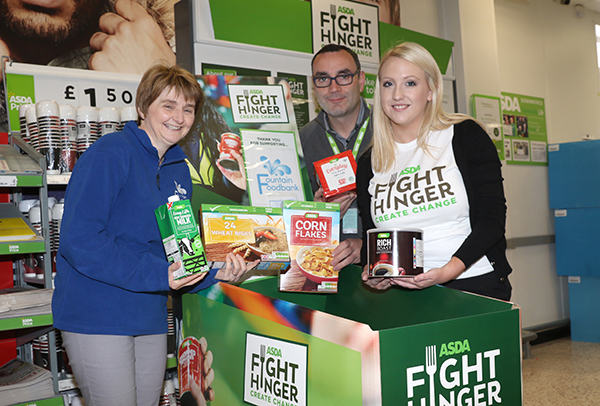
Figures from Trussell show the scale of the crisis. Between April 2024 and March 2025, over 77,000 emergency food parcels were distributed across Northern Ireland – a staggering 336% increase from the same period in 2014/15. Of these, 7,525 households accessed a food bank for the first time.
Food banks are no longer a last resort – they are becoming a routine part of survival.
The average number of visits per household has risen from 2.2 in 2019 to 2.6 in 2025, reflecting a shift from short-term need to long-term reliance.
Seventy-two percent of people supported are families with children. Crucially, 65% of referrals stem from incomes too low to meet essential costs, and one in ten people referred are currently in paid employment.
Frontline organisations are warning that summer brings its own unique and urgent pressures.
Many families in low-income households, including those in work, lose access to free school meals when term ends – removing a vital safety net for children at a time when food prices and childcare costs soar.
During the pandemic, the government provided direct payments to families entitled to free school meals to ensure continuity of support during school holidays. That provision has since ended, and many parents are now being left to fill the gap alone.
Sinead Campbell added: “It’s an incredibly difficult time. Families who rely on free school meals throughout the year now face weeks of added pressure to provide lunches during the summer.
“When you combine that with rising food and childcare costs, the situation becomes unmanageable. We’re seeing more and more parents turning to food banks or debt just to keep their children fed.”
Denise Callaghan, Financial Inclusion Manager for Northern Ireland at Trussell, said: “Many people in our communities are already facing hunger and hardship.
“Summer months only intensify that burden. This isn’t right – everyone should be able to afford the essentials they need to survive and live with dignity.”
According to the latest CPIH data, prices in June 2025 were 4.1% higher than a year earlier, with inflation persisting across everyday essentials including food and energy.
The human impact is profound. Advice NI clients describe the emotional strain of choosing between eating and paying rent, the shame of turning to charity, and the fear of falling deeper into debt. Increasingly, households are relying on credit to cover day-to-day living, with many parents going hungry so their children can have a meal.
“Many of the people we’re hearing from have never been in this position before,” said Sinead. “They’re proud of their jobs and the contribution they make – but they feel like they’re failing.
“These are not extravagant lifestyles. These are ordinary families struggling with the rising cost of food, rent, transport, and childcare – and left with little or nothing to spare.”
“We cannot underestimate the scale of this crisis. Food poverty is a daily reality for thousands of households across Northern Ireland – and without urgent intervention, it will only worsen.”
Advice NI is urging anyone facing financial difficulty – regardless of income or employment status – to seek help. The charity offers free, impartial, and non-judgemental advice on debt, budgeting, and benefits entitlement.
In 2024/25, Advice NI’s debt service – funded by the Department for Communities – supported 3,481 people managing debts totalling over £39 million.
Advice NI’s Money Talks Hub offers tools for budgeting and affordable meal planning at:
For free, confidential support, call Advice NI’s Freephone helpline on 0800 915 4604 (Monday to Friday, 9am–5pm).