


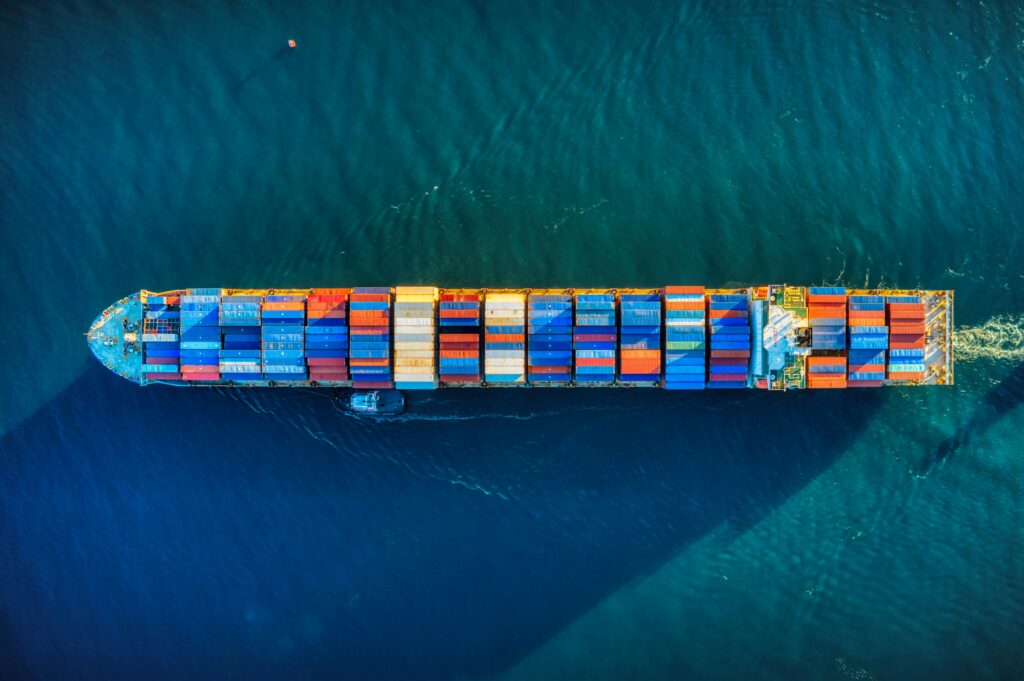
Global trade just doesn’t work without shipping containers. Most stuff – like laptops, jeans, heavy machines, or that old couch – travels sealed inside metal containers while crossing seas. When sending things abroad, a hard choice shows up: FCL or LCL? This isn’t just a minor detail in your freight quote, although you can use a freight calculator to compare the price difference. This choice decides the speed at which your items arrive, what you’ll pay, how much paperwork you’ll fight with, how safe your shipment is, and even how much attention customs gives you.
It doesn’t matter if you’re running a tiny business with a single pallet or you’re used to shipping truckloads every week – it is necessary to understand FCL vs LCL. So, before punching figures into that load calculator meant to save space, cut fees, maybe keep things safe – pause. This article shows what really happens when you pick one method over another, guiding your choice, whether sending or receiving goods.
What is FCL?
FCL stands for Full Container Load. Pretty straightforward. With FCL, you get the whole container to yourself, so no sharing. The container gets sealed at the start and usually stays that way until it lands at your (or your customer’s) door. Common FCL container sizes include 20-foot container (20’), 40-foot container (40’), and 40-foot High Cube (extra tall for oversized or bulky stuff). Here’s the catch: you pay for the whole container, whether you pack it full or just send a few pallets.
FCL: How It Works
- You book the entire container.
- The container shows up at your warehouse (or you send your cargo to the port).
- Your goods get loaded, then the container’s sealed.
- Off it goes to the port, then onto the ship.
- At the destination, it is delivered directly to the consignee or warehouse.
Nobody else’s cargo mixes with yours. That’s a big plus and the main advantage of this option.
What is LCL?
LCL means Less than Container Load. If your shipment isn’t big enough to fill a whole container, LCL lets you pay just for the space you use. You share the container with other shippers. The cost is usually based on how many cubic meters (CBM) your cargo takes up.
LCL: How It Works
- You send your goods to a consolidation warehouse.
- The freight forwarder groups your shipment with others to fill a container.
- The packed container ships out.
- When it arrives, it heads to a deconsolidation warehouse, where they split everything up.
- Your part gets delivered to the consignee or warehouse.
With this option, additional handling steps are required. That can mean longer transit times or a bit more risk.
FCL vs LCL: What Really Matters
Let’s get into the practical stuff. There’s more to this decision than just how much you’re shipping.
Total Cost
With FCL, you pay a flat rate per container. The price covers ocean freight, port fees, documents, and inland trucking. If you’re moving a lot, FCL is usually cheaper per unit.
With LCL, you pay per cubic meter (CBM) or by weight—whichever’s higher. There are extra fees for packing everything together and then splitting it later. It is good for small shipments, but once you hit a certain volume, it gets pricey fast.
Most people say once you’re shipping around 12–15 CBM, FCL starts to win on price. However, one should keep in mind that markets, seasons, and routes can shift that line.
Transit Time
Speed isn’t just about the ship’s journey. When you choose FCL, your container gets loaded and shipped directly. This means fewer stops and less handling. Accordingly, this option is usually faster and more predictable.
When you go for LCL, your cargo waits to be grouped with others. At the destination, it waits again to get split up. More stages mean more chances for delays.
If you’ve got a tight deadline, FCL’s usually the safer bet.
Cargo Safety
This is a big one. If you want a lower risk of damage or things going missing, you should go for FCL. In this case, a container gets sealed after loading, and hardly anyone touches your stuff.
Shipping using an LCL container has higher odds of things getting shifted, broken, or misplaced. After all, you’re sharing space with others. The content goes through more handling, more loading and unloading.
If your cargo is fragile, expensive, or sensitive, FCL gives you better peace of mind.
Risk of Delays
With LCL, one shipment’s hiccup can impact everyone in the container—customs holds, paperwork issues, or someone sneaking in hazardous goods.
With FCL, your shipment’s on its own. If someone else has a problem, it doesn’t slow you down.
Documentation and Customs
Getting your documents ready matters whether it is full or shared container shipping – include a bill of lading, an invoice for the goods, a detailed packing sheet, and possibly some certifications too. When space is split with others, extra steps pop up simply because multiple shippers touch the same box.
Ocean FCL vs LCL: Cost Comparison in Real Scenarios
Scenario 1:
Picture this: you’ve got a 5 CBM shipment. If you go with LCL, you pay by the cubic meter, so it’s cheaper. FCL means paying for the whole container, which doesn’t make sense here. LCL wins.
Scenario 2:
With an 18 CBM shipment, it flips. LCL costs add up fast, while FCL’s flat container rate often works out cheaper. So, in this case, FCL is usually the smarter pick.
Remember, prices swing with the market—peak season, fuel prices, port delays, and even world events. Always compare quotes before you decide.
Key Business Considerations That Go Beyond Container Size
First of all, there are hidden costs to consider that are not obvious when looking just at the base ocean freight rate. You’ve got terminal handling charges, documentation fees, customs clearance, warehouse handling, demurrage and detention, and inland transport to think about. Fees at loading and unloading spots often climb higher with LCL shipments. When going full container, watch how long it stays idle – delays at the dock mean charges add up quickly.
Businesses should also think about how easily they can adjust day-to-day operations. One shipper, one receiver, one seal – that’s what makes FCL straightforward. Juggling moves comes into play with LCL, since sharing space means syncing up with others who control the timeline. Schedules set by a freight aggregator add layers of coordination. Storage deadlines grow tighter when cargo shares room on a container. Businesses counting every hour in their stock flow often find smoother timing using full containers instead.
Even if everything seems fine, cargo insurance still matters. When shipping LCL, things get tricky – more hands touch your stuff, it mixes with other loads, and problems pop up more easily. For FCL, think about crashes, stolen items, or delays at ports. Someone moving freight might guide you on how much protection fits. Always better to be safe when boxes are far away.
Finally, keeping things sustainable really counts these days. When boxes are packed full, FCL works well. Instead of sending half-filled ones across distances, going LCL might help reduce waste. It turns out that how much space gets used inside a container weighs more than the choice itself.
How to Decide: A Practical Checklist
When choosing what to do, think about these things first:
1. What size does my cargo take up in cubic meters?
2. What’s the quickest you can get it here?
3. Fragile stuff – could it be worth a lot, too?
To make the final decision, ask yourself the following questions:
- How big is my shipment (in CBM)?
- How fast do I need it delivered?
- Are my goods valuable or fragile?
- What’s my budget?
- How steady is my shipping schedule?
- Can I deal with possible delays?
- Do I want things as simple as possible?
When to Choose FCL
If you care most about speed, safety, and consistency, FCL is probably the best bet. Go with FCL if you’re shipping a lot—close to filling a container—or if you ship often and want a predictable schedule. It’s also the way to go for high-value or fragile goods, or when you need things to move fast and want less risk of damage. FCL makes supply chain planning easier, too. As businesses grow, they usually shift from LCL to FCL because it just fits better with bigger volumes.
When to Choose LCL
Starting with less cargo? LCL could fit better than expected. When trying out a new supplier, shipping smaller loads helps avoid big commitments. Keeping early expenses down matters, especially if funds are tight. Small businesses often find it easier to enter world markets this way. There is no need to stockpile goods before knowing what sells. Spreading risk feels simpler when each shipment doesn’t weigh tons. Testing demand step by step turns out smoother this way. Global reach does not always require massive storage space. LCL skips the pressure to move large volumes from day one.
Final Thoughts
Truth is, deciding on FCL or LCL doesn’t mean one beats the other. It’s about what fits your business right now. If you’ve got a lot to ship, FCL gives you more control, better security, and gets things done faster. If you got smaller load, LCL is flexible and easier to access, especially if you’re just starting out. Most companies kick things off with LCL. When business picks up and shipments get bigger, they switch to FCL. That’s just how it goes.
When you really understand how FCL and LCL work, you’re in a much better spot. Prices drop when you plan ahead, hidden charges fade away, yet deliveries stay steady. Truth is, shipping stuff overseas means more than containers floating across water. It’s about planning ahead and making smart calls. If you know what you’re doing with FCL and LCL, you save money, avoid headaches, and set yourself up to win in global trade.
Finally, the industry is changing fast. Digital platforms, automated ports, and real-time tracking make things way more transparent these days. Carriers and logistics companies now offer online reservations, quick pricing, live shipment views, plus forecasts on arrival times. With these tools, picking between full container loads or shared space feels smoother than before.