



Hospital centralisation given another blast by the Down Community Health Committee
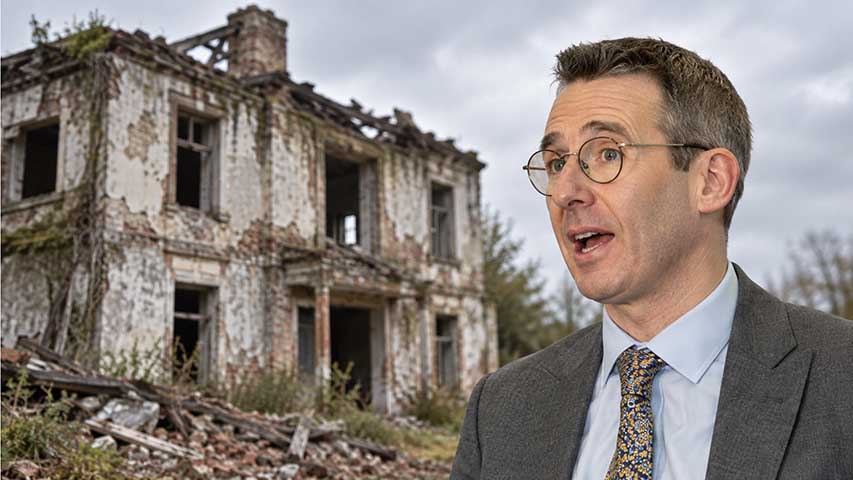
At an open meeting of the Down Community Health Committee (DCHC) held in Denvir’s Hotel in Downpatrick on Tuesday 8th September, members discussed a range of key and pressing health matters which impact on the residents of the wider East Down area.
The Chairman, Eamon McGrady, distributed a copy of “The Bulletin: Royal College of Surgeons of England Vol 108 No 5″ dated 30th June 2026 and read out key extracts.
The gist of this paper was: “Does concentrating surgery in specialist centres deliver better care for everyone, or does this shift in practice come at the cost of access and broader system resilience?”
The medical paper arrived at a set of startling conclusions.
The case for centralisation: it acknowledges that centralising surgery in centres can “have specific clinical benefits through improved outcomes, multidisciplinary care and specialised procedures.”
However, it indicates that these arguments ‘are not universal’ that is, do not carry merit in all geographic areas. It suggests that, without real evidence, surgery may be centralised never-the-less to a larger extent by those controlling the health resources.
(Image: JimMasson/DownNews©).
The case against centralisation: “… centralisation comes with costs that are borne disproportionately by rural, economically-disadvantaged andmarginalised populations… and there is also a substantial cost to the workforce from deskilling non-tertiary centres, further widening the gap.”
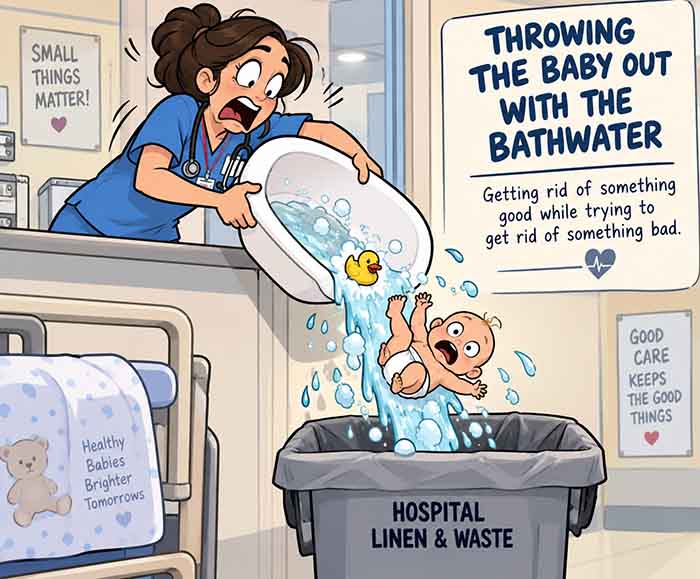
There was a discussion on centralising surgery and services, and the premise to the paper was noted that the process of centralising complicated surgical procedures in centres that deal with high volume cases in complex medical settings can have several significant shortcomings: that is, the baby is often thrown out with the bathwater with a lack of medical proof that centralising services is for the overall good of the health of the population in question.
The paper concludes: “The challenge for healthcare systems does not lie in choosing between clinical excellence and fair play alone. Instead it lies in designing surgical care that maintains clinical quality without deskilling hopsitals and surgical units, and in implementing complementary strategies to address geographic, social financial, workforce distribution and technological innovation.“
Eamonn McGrady said that he had sent a copy of the paper to the new Health Minister, to health officials, to Southern area health campaigners, and senior politicians and parties, hoping that this important stance against the centralisation of services will cast a new light and help to re-shape future health outcomes especially for the residents of the east Down area who do not have access to the Downe A&E since its closure in 2013 and feel disadvantaged.
In the case for centralisation, the advanced tertiary centres have multidisciplinary teams involving specialities such as surgery, radiology, anaesthetics, etc. These teams utilise top-of-the-range equipment such as MRI scanners – and it was noted that for many years the SEHSCT has indicated that it aimed to provide a scanner for the Downe Hospital but that it had year-on-year fallen by the wayside in capital expenditure.
It was acknolwdged that specialisation also has the benefit of providing accurate diagnoses and treatment especially for rarer malignancies. And on the back of all of this, centralisation can benefit research and add to the “development of evidence-based, treatment protocols that ultimately benefit the world-wide surgical community and people globally”.
However, those present raised a number of specific issues attacking this centralist model citing examples of appointment issues, and long waiting times for treatment.
One person in attendance said that she was asked to go to Lagan Valley for treatment for her broken leg. When she asked for an appointment at the Downe Hospital, she was told she would have at least 2 months to wait. She then subsequently received a call a couple of days later offering her an appointment at the Downe Hospital within days thus avoiding the long and painful journey to Lisburn.
Furthermore, the role of equality legislation and the role of the Equality Commission was discussed and it was noted that the need for the policy-makers to ‘rural proof’ policies and decisions was ineffective as many government departments seemed to treat this as a paper exercise. Those present were unanimous in their view that the population of the east Down area was disadvantaged rurally and treated less favourably.
Certainly in the case against centralisation, the paper says that the case for volume of cases is not clearly defined and can lead to ‘overemphasis’ of the case for centralisation.
And as cited above, centralisation creates equity issues – many patients face financial hardhip and geographical distance to a medical centre too can be a barrier to good and timely treatment.
The paper too hits the nail on the head where is says that disadvantaged communities suffer further when patients require emergency surgery and have to travel long distances to the tertiary centre. This situation is described as a ‘paradox” in that specialist centres are inadvertently undermining care for the disadvantaged. The “disease burden” on this disadvantaged class of people is greater.
Also, the deskilling of the workforce and stripping services and equipment creates a “structural barrier” to medical care. This causes, the paper argues, “zonal constraints” and the members in attendance fully empathised with this point as they recognised being left out in the geographic margins was disadvantaging their health outcomes.
Eamonn McGrady introduced the idea of ‘equipoise’ by reading a section of the paper: “Regional hub-and spoke models could decentralise selected procedures to satellite facilities while maintaining specialist oversight, balancing quality with geographic accessibility and parity of access.”
It was acknowledged that telemedicine was still at an early stage and was ‘distrusted by both surgeons and stakeholders’.
This item on the agenda created a broad discussion about healthcare and it was generally felt that the new Health Minister should meet with representatives of the Down Community Health Committee to discuss health care in east Down and the re-opening of the Downe A&E 24/7.
There was also a vigorous discussion about why in Northern Ireland there are six hospital trusts creating costly tiers of middle and upper management when large cities in England may have only one hospital trust with populations greater than that of Northern Ireland (1.9 million) in total eg Greater Manchester (3 million of a population.)
***
The DCHC requested a list of the services available at the Downe Hospital to the local community. These include:
- 2x inpatient wards,
- dementia assessement unit,
- an adult mental health inpatient ward,
- frail elderly rapid assessment centre,
- 0utpatients – including surgery, medical specialities and maternity,
- opthamology,
- cardiac investigations,
- podiatry,
- pharmacy,
- radiology,
- home first urgent care (Monday-Friday),
- minor injuries (Saturday-Sunday),
- enhanced care at home service,
- day case surgery,
- endoscopy procedures,
- community respiratory team,
- diabetic specialist nurses,
- sexual and reproductive health services,
- community dental services,
- children’s services, sensory services, 2x GP practices,
- ICATS, GP out-of hours service,
- Continence service.





 held in Denvir's Hotel in Downpatrick on Tuesday 8th September, members)