



Alzeihmers Society says dementia affects more women than men
Dementia trends in Northern Ireland show that is has reached a high at averaging 2000 deaths a year by 2024. And provisionally figures show that is rising.
Dementia and Alzheimer’s deaths in Northern Ireland rose by 14% over the decade from 2015 to 2024, increasing from 1,760 to 2,009 deaths a year writes Jim Masson.
The total has remained close to 2,000 annually since 2022. Exact figures for historic County Down are not routinely published because the county crosses several modern council boundaries and it is difficult to determine the figures.
But the trends recently discussed by the Alzheimer’s Society will broadly be reflected in the Northern Ireland experience.
Annual registered deaths where dementia or Alzheimer’s disease was the underlying cause, 2015–2024 (below).
(Source: NISRA VS1257, final annual death registrations.)
| Year | Deaths | Annual change |
|---|---|---|
| 2015 | 1,760 | — |
| 2016 | 1,847 | +4.9% |
| 2017 | 1,900 | +2.9% |
| 2018 | 2,048 | +7.8% |
| 2019 | 1,942 | −5.2% |
| 2020 | 1,991 | +2.5% |
| 2021 | 1,882 | −5.5% |
| 2022 | 2,017 | +7.2% |
| 2023 | 2,026 | +0.4% |
| 2024 | 2,009 | −0.8% |
Dementia and Alzheimer’s disease have remained Northern Ireland’s leading cause of death since 2024, according to the Northern Ireland Statistics and Research Agency, and continued to top the mortality tables throughout 2025.
Dementia Remains the UK’s Biggest Killer
According to the Alzheimers Society, dementia is one of the country’s most pressing health and social care challenges.
New analysis by the Alzheimer’s Society, using Office for National Statistics (ONS) data, shows dementia remained the leading cause of death in England and Wales in 2025, accounting for one in every eight deaths.
With the exception of the COVID-19 pandemic years of 2020 and 2021, dementia has been the UK’s biggest killer for almost a decade.
In England and Wales alone, 45,874 women died from dementia in 2025—the second-highest figure ever recorded and the highest number in five years.
Across the UK, annual statistics for 2024 recorded 76,894 deaths from Alzheimer’s disease and other forms of dementia, reinforcing the scale of the condition. Around one million people are currently living with dementia across the UK, while millions more provide care and support for affected family members and friends.
The Alzheimer’s Society is urging governments to place dementia at the top of the national health agenda. Despite affecting huge numbers of people and placing enormous pressure on families and healthcare services, the charity believes dementia still does not receive the political attention, research investment or care provision that matches its impact.
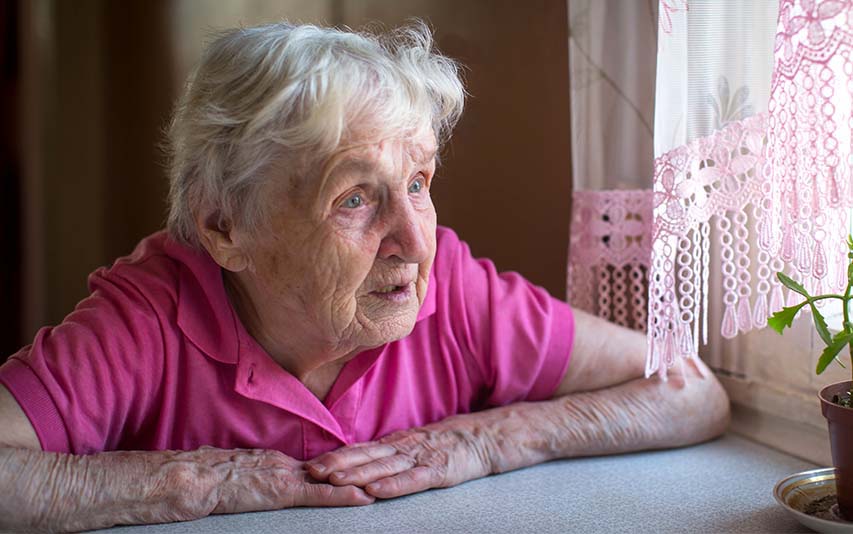
One of the key messages is that dementia is not a normal part of ageing. While some changes in memory and thinking can occur naturally with age, dementia is a progressive, terminal disease caused by damage to the brain.
Public misunderstanding often leads people to dismiss early symptoms as simply “getting older,” delaying diagnosis and treatment. Earlier diagnosis allows people to access medical care, practical support and advice while helping families plan for the future.
The report identifies several reasons why dementia has become the UK’s leading cause of death. Greater public awareness means more people are now being diagnosed than in previous decades.
At the same time, medical advances have significantly improved survival rates for heart disease, strokes and many cancers, while people are living longer overall. Since age is the greatest risk factor for dementia, an ageing population inevitably leads to increasing numbers of people developing the condition.
According to 2024 figures, the five leading causes of death in the UK were dementia and Alzheimer’s disease (11.8%), ischaemic heart disease (9.6%), chronic lower respiratory disease (5.5%), cerebrovascular disease (5.2%) and lung cancer (5%).
The statistics record dementia only when it directly contributes to the chain of events leading to death, rather than simply being present as another medical condition.
Women are disproportionately affected by dementia. They are more likely to develop the disease, more likely to die from it and far more likely to become unpaid carers for relatives living with dementia. In 2025, dementia accounted for one in every six female deaths and one in four deaths among women aged 80 and over.
Around two-thirds of people living with dementia are women, while women also make up 68% of unpaid dementia carers.
Although women generally live longer than men, this does not fully explain the disparity. Early symptoms in women can sometimes be mistaken for menopause, depression or stress, leading to delayed diagnosis. Research also suggests that more than one-third of women feel apprehensive about seeking medical help for dementia symptoms, potentially delaying access to support and treatment.
Alzheimer’s Society Chief Executive Michelle Dyson said the latest figures demonstrate that women are repeatedly being failed by a health system that is too slow to recognise and respond to dementia.
She called for greater research into the specific challenges women face and for governments to prioritise dementia care, diagnosis and scientific research to develop treatments capable of slowing or preventing the disease.
The report also includes the experience of a carer who cared for her mother with vascular dementia before developing the condition herself. Despite recognising the symptoms, she was initially told she was too young to have dementia and waited more than a year for her own diagnosis.
She says many women spend years caring for others before facing dementia themselves, often struggling to obtain the support they need.
Overall, the findings underline that dementia is not only the UK’s leading cause of death but also one of its greatest healthcare challenges.
With an ageing population and increasing numbers of diagnoses, experts argue that greater investment in research, earlier diagnosis and improved support services are urgently needed to reduce the growing human and social impact of the disease.