



At a meeting chaired by local Councillor Cadogan Enright, They discussed the potential for co-operation around the development of renewable energy projects an in anaerobic digestion in particular .
Councillor Enright explained: “anaerobic digestion (AD) is a processes where micro-organismsxa0digestxa0biodegradablexa0material in in a sealed container to release energy. Much of thexa0fermentationxa0used industrially to produce food and drink products use forms of anaerobic digestion.xa0Silagexa0is produced by anaerobic digestion”.
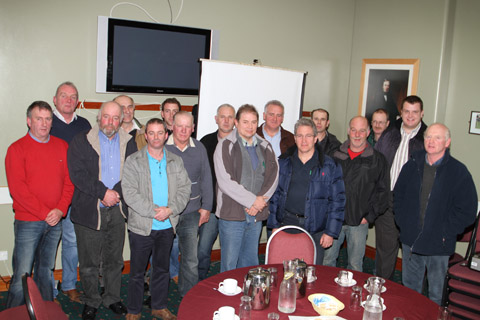
David Surplus, B9 managing director, explained: “B9 is already involved in landfill gas at Down District Councils’ Drumnakelly waste site at Seaforde, and based on the new anaerobic digestion plant being constructed in Dungannon, we are interested in farm scale projects utilising resources such as cattle and pig slurry together with excess silage to generate combined heat and power.
“South Down has not been as quick as other areas of the province to embrace AD in dealing with agricultural waste streams while deriving income from selling heat and power. Animal slurries could support up to 150 farm scale AD plants in the Province making a significant contribution to our renewable energy targets and reducing our over-reliance on imported fossil fuels”.
Bishopscourt farmer Micheal Trainor xa0added:xa0“Recent demonstration has shown that when digestive left-overs from the AD process is spread on farm land there is a 35% increase in grass yields above the use of raw slurries due to the entrained nitrogen being in a form that is more easily absorbed. Weed seeds are also digested so that there is less need to use expensive imported herbicides which is important to me as an organic farmer.”
After dealing with normal business, the meeting supported a resolution from Alan Montgomery, farmer,
of Killough to follow up on this high tech way of dealing with farm waste to create new income sources for farming, reduce the danger of pollution from run-off, save money on herbicides and produce better grass and other crops. DDFFRE resolved to explore this technology more thoroughly at future meetings in the new year.