



County Down is getting older. And over the next decade, thousands more local families could find themselves dealing with something few people feel prepared for: what happens when you inherit the family home.
In Ards and North Down, almost one in four residents is already aged 65 or over, the highest proportion anywhere in Northern Ireland. By 2032, the area’s median age is expected to reach 48.3. Newry, Mourne and Down is changing too. Its over-65 population is projected to grow by around 10,100 people over the decade to 2032, a rise of 32%. None of that tells us exactly how many homes will be inherited locally. But it comes at a time when inheritance is expected to play a much bigger role in family finances across the UK.
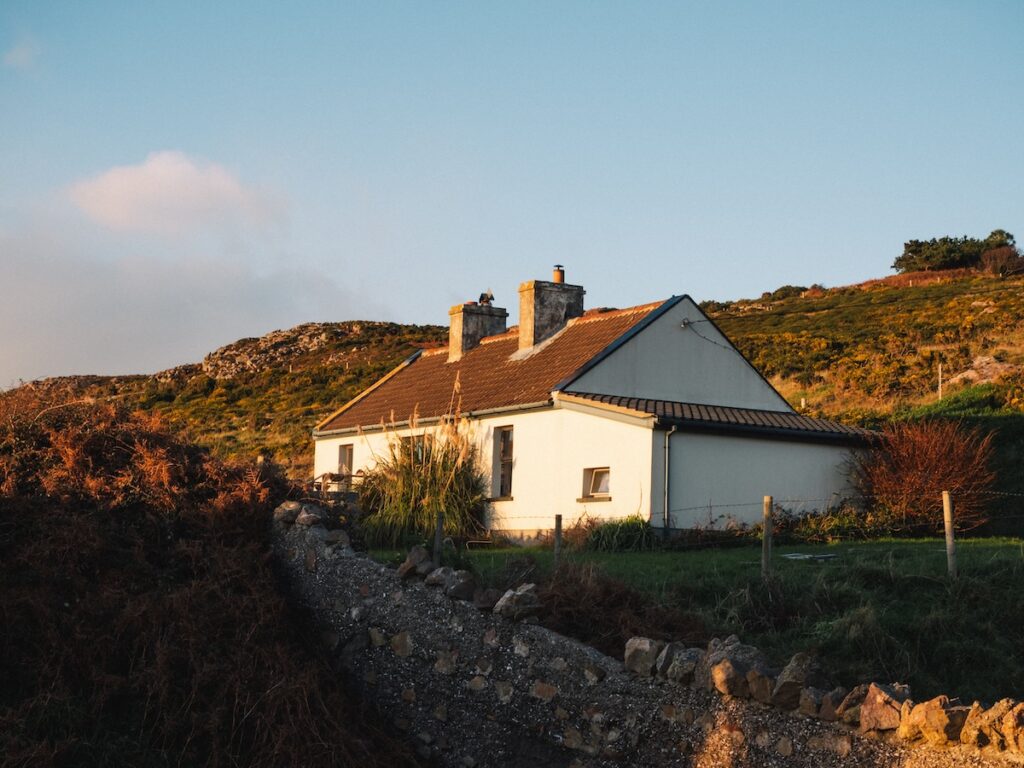
So what actually happens if Mum, Dad or another relative leaves you a house? It might sound like a windfall. In practice, there can be months of paperwork, bills that still need paying and an entire home full of furniture and possessions to deal with before anyone sees the money.
A £200,000 house doesn’t mean £200,000 in the bank
Property prices make the sums involved look huge.
The average home in Ards and North Down was worth around £227,000 in the year to July 2026, according to the latest figures from the Office for National Statistics. In Newry, Mourne and Down, the average was around £202,000. But if you inherit a house worth £200,000, nobody transfers £200,000 into your account the following week. First, the person dealing with the estate needs to work out what the person who died owned and what they owed. Any tax and debts have to be dealt with. Depending on the estate, probate may also be needed, which gives the person handling it the legal authority to deal with the assets. If the family then decides to sell the house, they still need to find a buyer and get the sale through. It can mean a strange situation where somebody knows they are due to inherit a large amount of money but cannot actually use it yet. And this is becoming more relevant to family finances. UK inheritance statistics for 2026 show that people born in the 1980s are expected to receive a median inheritance of £136,000 over their lifetimes. For many families, a house will account for a large chunk of that value.
The house keeps costing money while you wait
Someone may have died, but the bills attached to their house do not disappear overnight. The heating might need to stay on during winter. Buildings insurance still matters. A garden can become overgrown. A leaking roof cannot wait six months for the paperwork to catch up. Then there are rates. Northern Ireland does offer an exclusion from rates in some circumstances after somebody dies, but there are conditions attached. An empty property generally needs to be unoccupied and unfurnished, and families should check what applies to their own situation rather than assuming there will be nothing to pay. If the house is going to be sold, there may be other expenses too. It might need repairs, cleaning or work to make it ready for viewings. Individually, some of these costs may not seem huge. The problem is that families can be paying them at a point when the value tied up in the house is still just that: tied up.
Then you open the cupboards
The financial side is only half of it. Most inherited homes don’t arrive empty and ready for an estate agent’s photographs. They contain someone’s life. There might be furniture nobody has room for, boxes of family photographs, paperwork going back decades, clothes, books, crockery and the contents of the loft that nobody has looked at since 1998. Some things are easy to deal with, others aren’t. One sibling might want the dining table but be living in a flat with nowhere to put it. Nobody may feel ready to sort through photographs yet. Furniture might eventually go to children or grandchildren who aren’t in a position to take it immediately.
There is also a difference between clearing a house because you’re moving and clearing the home of someone you’ve just lost. Decisions that look easy from the outside can feel very different when you’re standing in the room. The numbers suggest plenty of families find themselves needing more time and space during major changes in their lives. According to the latest UK storage statistics, 14% of personal storage customers use storage because of a major life event, while another 22% use it while moving house. Putting things into storage temporarily can give families time to decide what they actually want to keep, rather than forcing every decision into the days or weeks after a death.
Selling isn’t always a quick answer
For families who don’t want to keep an inherited property, selling it may seem like the obvious next step. That doesn’t necessarily mean a quick payout. The house has to be cleared and prepared for sale. An estate agent needs to market it. Someone has to make an acceptable offer and the legal work still has to go through.
There may also be multiple family members involved. Three siblings inheriting the same house can have three completely different ideas about what should happen to it. One may want the money quickly. Another may think the family should wait for a better offer. A third may want to keep the house altogether. If one person wants to keep it, they may need to find enough money to buy the others’ shares. Even where everybody agrees to sell, the final amount received won’t necessarily match the number that first appeared on the property valuation. There can be costs along the way, and the sale price itself may be higher or lower.
Keeping it brings another set of questions
Some families won’t want to sell at all. Maybe one of the children wants to live there. Maybe the house has been in the family for decades, or the family might consider renting it out instead. Each option brings its own costs and decisions. Moving into the house can mean buying out other family members. Renting it out means taking on the responsibilities and expenses that come with being a landlord. Leaving it empty means somebody still has to keep an eye on it and make sure it remains insured and maintained.
And money isn’t always the deciding factor. A property agent can put a price on a three-bedroom house in Bangor, Newtownards, Downpatrick or Newcastle. That figure doesn’t account for the fact that it might also be the house where somebody grew up, where the family spent Christmas or where their parents lived for 40 years. That can make deciding what happens next harder than people expect.
Inheriting a home is rarely just about the money
An inherited house can eventually provide a family with a substantial amount of money, especially as property values have risen across parts of County Down.
Getting from inheriting the house to having that money available can take time. There is paperwork to deal with, a property to look after and rooms full of possessions that need somewhere to go. Families may have to spend money before they receive anything themselves, sometimes for months.
And maybe that is the part of inheriting a home that gets talked about least.
On paper, somebody might have just inherited a house worth more than £200,000. In the first few weeks, though, they’re more likely to be worrying about who has the keys, whether the heating is still on and what on earth they’re going to do with everything in the spare room.