


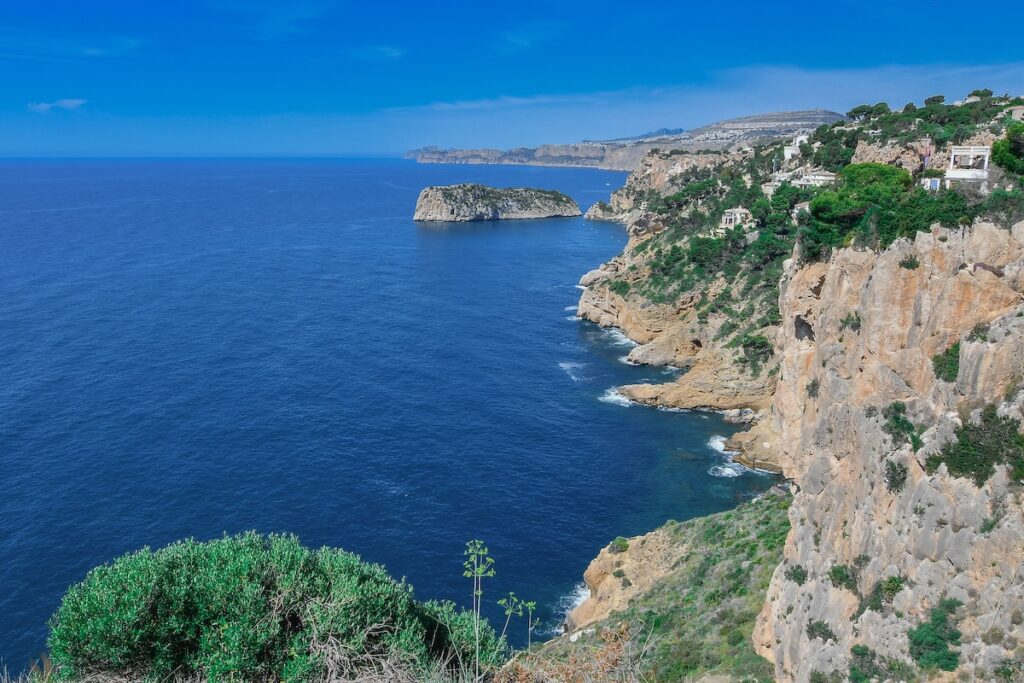
There is a particular kind of quiet that settles over the Mediterranean in the early morning.
The air is cooler, the sea is almost still and the day has not yet acquired its obligations. It is an apt setting for a longevity health retreat in Spain, where the purpose is less about escaping ordinary life than examining how that life is being lived.
The modern longevity retreat occupies an interesting space. It borrows the precision of preventive medicine, the discipline of physical training and the sensory ease of a high-end resort. At its best, the combination feels neither clinical nor indulgent. It offers something more measured: time to understand the body, identify the habits that are quietly eroding health and establish a more intelligent rhythm for the years ahead.
Longevity Without the Theatre
The language surrounding longevity has become increasingly extravagant. Biological age, cellular renewal and anti-ageing protocols are often presented with a certainty that the science does not always justify. Serious programmes tend to be more restrained.
Their concern is healthspan rather than immortality. In practical terms, that means preserving strength, mobility, cognitive function and independence for as long as possible. It means paying attention to cardiovascular health before symptoms appear, maintaining muscle before frailty becomes a concern and addressing poor sleep before it becomes accepted as an unavoidable part of adult life.
This is where a medically informed retreat can be useful. Daily routines have a way of concealing gradual decline. Fatigue is attributed to work. Stiffness is blamed on age. Weight gain is treated as an aesthetic issue rather than a possible marker of metabolic change. Removed from familiar pressures, these patterns become easier to see.
A week beside the sea will not reverse years of neglect. It may, however, provide enough distance to recognise what has been normalised and enough structure to begin changing it.
The Appeal of a Mediterranean Setting
Spain is particularly well suited to this form of retreat because wellbeing does not feel artificially imposed there. The climate encourages time outdoors. Meals can be built around vegetables, pulses, fish, olive oil and seasonal fruit without appearing medicinal. Walking, swimming and rest belong naturally to the landscape.
The distinction matters. Healthy behaviour is more likely to endure when it feels pleasurable rather than punitive. A plate of grilled fish, tomatoes and greens is more persuasive than a joyless “longevity menu”. A coastal walk feels different from a prescribed session on a treadmill, even when both serve a similar physiological purpose.
There is also a cultural ease around meals and social connection that sits comfortably with current thinking about healthy ageing. Longevity is rarely the product of a single intervention. It emerges from the repeated interaction of movement, nourishment, sleep, relationships, environment and access to appropriate healthcare.
A retreat cannot reproduce an entire Mediterranean lifestyle for its guests. It can demonstrate how its principles might be translated into a life lived elsewhere.
Medicine in a More Considered Setting
A credible longevity programme begins with questions, not treatments. Medical history, medication, sleep quality, stress, physical activity, body composition and family risk all help build a useful picture. Blood tests, cardiovascular screening or mobility assessments may follow, depending on the individual.
The quality of interpretation matters more than the volume of data. Extensive testing can create an impression of rigour while offering very little practical value. A result is useful only when its relevance is clear and the next step is proportionate.
This is particularly important in a field crowded with fashionable biomarkers and expensive diagnostics. Not every abnormality requires intervention, and not every available test deserves to be performed. Good clinicians are often defined by what they choose not to investigate.
The most valuable assessment usually produces a limited number of priorities. Improve aerobic capacity. Rebuild lower-body strength. Stabilise sleep. Address blood pressure. Adjust meal timing. These may sound modest beside the rhetoric of age reversal, yet they are far more likely to influence long-term health.
Movement as a Form of Insurance
Loss of strength is one of the quieter features of ageing. It does not announce itself dramatically. A suitcase becomes harder to lift. Stairs require more effort. Balance feels less certain. Over time, the margin between independence and vulnerability narrows.
For that reason, thoughtful longevity retreats treat exercise as a central component rather than a decorative addition. Resistance training, cardiovascular work, mobility practice and balance exercises are selected according to ability and need.
The sessions need not be punishing. In fact, excessively demanding schedules can obscure the purpose. The objective is to discover what the body can tolerate, where it is underprepared and how training might be continued safely at home.
Personalisation is essential. A fit executive with poor recovery requires a different programme from someone returning to movement after surgery. A guest with good mobility but low muscle mass should not receive the same prescription as a person whose primary concern is cardiovascular endurance.
The sophistication lies in the calibration.
Food That Feels Like Food
Nutrition at a luxury retreat can easily become theatrical. Ingredients are described in biochemical terms, portions grow conspicuously small and ordinary hunger is reframed as part of the process. This may look disciplined, but it rarely teaches guests how to eat once the retreat ends.
A better approach respects both physiology and appetite. Mediterranean cooking provides a strong foundation because it is varied, generous and recognisable. Vegetables, beans, whole grains, fish, nuts and olive oil can support metabolic and cardiovascular health without turning every meal into a demonstration of restraint.
Individual requirements still matter. Protein intake may need attention in older guests or those with low muscle mass. People managing insulin resistance may benefit from changes to carbohydrate quality, portion size or meal timing. Digestive conditions, allergies and medication can complicate even broadly sound dietary advice.
The role of the retreat is not to impose purity. It is to sharpen judgement. Guests should leave knowing which habits are worth keeping, which compromises are inconsequential and where their own diet has become less balanced than they assumed.
Sleep, Stress and the Art of Doing Less
Rest is often the first benefit guests notice, partly because many arrive more depleted than they realise. Without late emails, domestic logistics and constant notifications, the nervous system begins to loosen its grip.
Yet good sleep is not produced by luxury bedding alone. Light exposure, exercise, alcohol, caffeine, meal timing and anxiety all influence the quality of rest. A useful programme examines these factors without reducing sleep to another performance metric.
The same applies to stress. The aim is not to eliminate it, which would be neither possible nor desirable. The task is to improve recovery and recognise when prolonged pressure has become physiologically costly.
Breathing practice, time outdoors, massage and hydrotherapy may help, although their value is often simple rather than miraculous. They slow the pace, reduce muscular tension and make space for a quieter awareness of the body. That can be enough.
The Place of Thalassotherapy
Spain’s coastal wellness culture has long drawn on seawater, marine air and hydrotherapy. In a modern longevity setting, these traditions are most convincing when they complement medical and physical programmes rather than compete with them.
Heated seawater pools can make movement more comfortable for people with stiffness, pain or reduced mobility. Hydromassage may support relaxation and recovery. Marine treatments can add a sensory dimension to a schedule that might otherwise feel overly diagnostic.
At Palasiet Wellness Clinic & Thalasso, this relationship between medical oversight, movement, nutrition and seawater therapy reflects a wider shift in European wellness: the retreat is no longer conceived simply as a place to be pampered, but as an environment in which health can be assessed and habits rehearsed with greater care.
The distinction between support and cure should remain clear. Thalassotherapy may contribute to comfort, mobility and relaxation. It should not be presented as a means of detoxifying the body or reversing ageing. Sophisticated wellness has little need for inflated claims.
When Luxury Has a Purpose
Luxury earns its place in a longevity retreat when it makes participation easier. Privacy encourages candour. Good service reduces distraction. Comfortable surroundings improve rest. Skilled practitioners allow guests to feel guided without being managed at every moment.
The most accomplished retreats understand that more is not always better. A tightly packed schedule of consultations, treatments and classes can become another form of pressure. Space matters. So does the freedom to sit by the sea, read in the afternoon or take a walk without recording it.
This restraint is part of the appeal. The guest is not treated as a project to be optimised, but as a person whose health exists within a complicated life.
What remains after the stay is more important than the temporary glow of the experience. A useful retreat sends people home with a small number of well-chosen priorities, an understanding of why they matter and a plan flexible enough to survive work, travel, family obligations and imperfect weeks.
Longevity is built in those ordinary conditions. The retreat merely offers a clearer view of them.