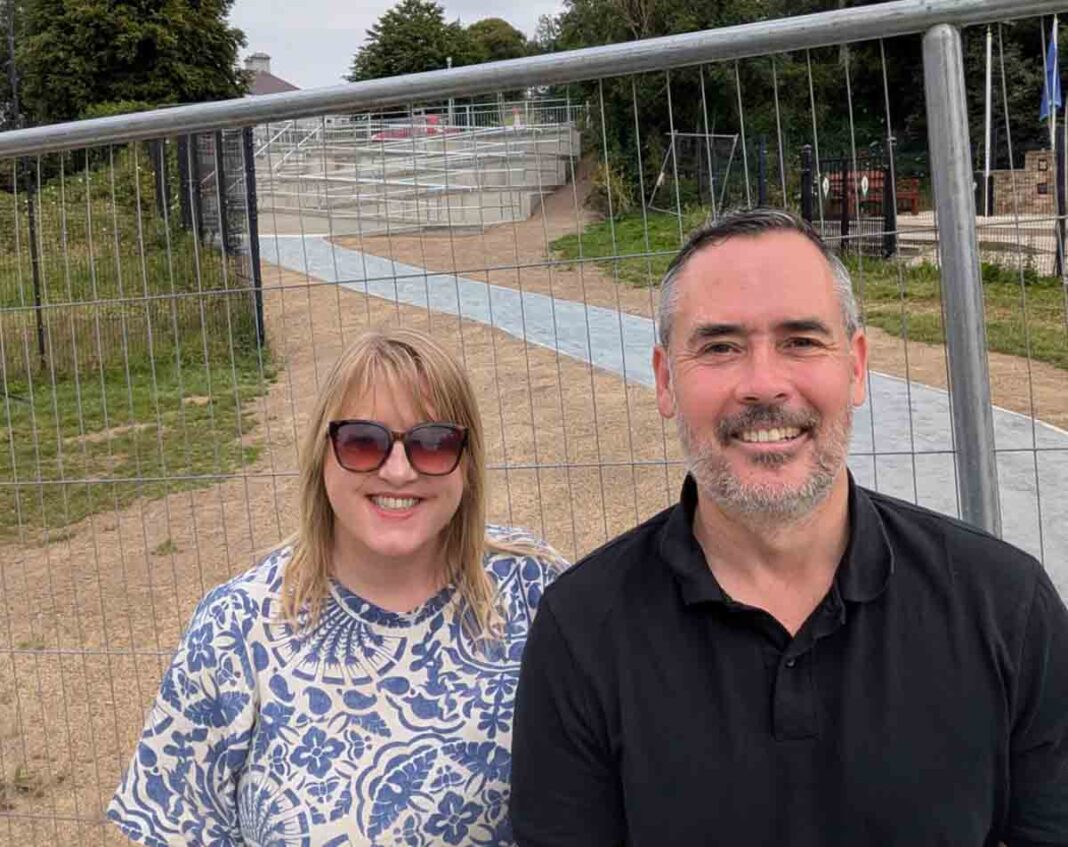



Councillor Jill Truesdale submitted an FoI to NI Water regarding prosecutions for illegal water connections
Jill said she requested this information because, “Illegal connections, be they through changes of use or an existing building or new projects without the necessary permissions, are a contributing factor to the overloading of the existing NI Water infrastructure.”
Water is fundamental to life and it is important that its supply is kept safe and secure for the benefit of the wider society.
The FoI responded that there was one prosecution in the last five years and one ongoing prosecution.

Alliance Mournes Councillor Jill Truesdale said: said: This is a shocking figure and clearly shows a need for more enforcement and funding around this particular area with NI Water, which has such far-reaching consequences for housing, construction and jobs.
“The Infrastructure Minister is bringing forward legislation under the Water Sustainable Drainage and Flood Management Bill to address unlawful connections.
“An incorrectly connected drainage pipe means it is carrying wastewater (e.g. sewage or contaminated water) wrongly connected to a surface water drain, or a surface water drain that is wrongly connected to a foul sewer where separate foul sewerage and surface water drainage systems exist.”
Jill added: ‘While the Bill is very welcome it lacks detail on funding and enforcement of illegal connections.
“oul drainage connected to surface water is discharged at its final destination be this a river or the sea, without treatment, and surface water drainage connected to foul drainage would overload the system and require treatment so in effect money is being spent on treating rainwater.
“Illegal connections may cause pollution of watercourses as well as hinders development by overloading the system.”
The lack of capacity within the district’s wastewater infrastructure is impeding housing and commercial development and is a growing social, economic and environmental crisis.
In the Mourne and Down District Council area:
• 3,922 applicants on the social housing waiting list of which 3,207 are in housing stress, the third highest level in the North.
• 1,197 housing units recommended for refusal by NI Water, and a further 122 units that will not get a connection to the public foul network due to closed catchments.
• The highest annual rent increases in Northern Ireland at 7.2% and the highest annual house price increases in Northern Ireland at 12.4%.
Jill added: ‘It is absolutely shameful that NI Water is not pouring more resources into this particular area. We in Newcastle, Newry and Downpatrick have all been subjected to the most horrendous flooding incidents.
“We have managed to bring focus from DfI onto maintenance schedules which has been much welcome but we also have NI Water having to attend to the pumping station in Marguerite area of Newcastle in heavy rain on a, ‘just in case basis’.
“NI water must look at their systems and use their enforcement powers much wider when finding illegal connections”.
FOI RESPONSE FROM NI WATER
Reference Environmental Information Regulations 2004
Dear Ms Truesdale,
NI Water’s approach to enforcement is in line with the principles of better regulation.
This will help consumers, both domestic and commercial, to understand the nature and extent of their responsibilities and comply with the law voluntarily.
However, there are times when conformity with the law needs to be sought by formal enforcement action.
The effective use of enforcement powers is important to secure compliance with the legislation and, where necessary, to ensure that consumers are held to account.
NI Water’s Enforcement and Prosecution Policy sets out the options available to the Company.
Please see link below:
https://www.niwater.com/about-us/publication-scheme/our-policies-and-procedures
The options available to NI Water range from advisory letters and warning letters to formal cautions and prosecution. Outcomes over the past five years include the following:
* 1 x Conviction
* 1 x Ongoing prosecution
* 1 x Formal Caution2
* 1 x Oral advice
* 12 x Ongoing investigations
* 5 x Insufficient evidence to proceed.