



McGrath says high agency spending on nurses illustrates need for safe staffing legislation
SDLP Opposition Health Spokesperson Colin McGrath MLA has said a damning report from the Northern Ireland Audit Office on agency nursing costs exposes the urgent need for the Health Minister to bring forward long-promised safe staffing legislation.
Colin McGrath was speaking after the report revealed that health trusts spent more than £160 million on agency nursing staff in a single year, with spending having tripled over the past six years.
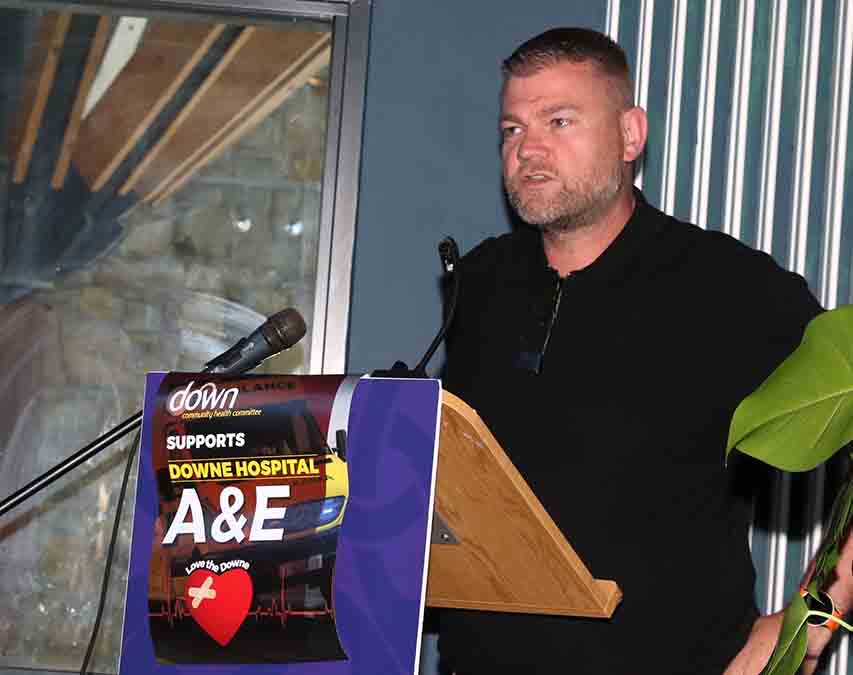
The report also identified a shortfall of more than 2,100 nurses across Northern Ireland and found that £186 million could have been saved over four years if agency staff had been paid at the same rates as permanent employees.
South Down MLA Colin McGrath said: “This report lays bare a system that is failing both patients and healthcare workers.
“Spending over £160 million a year on agency nurses is not sustainable in financial terms, and it is certainly not sustainable in human terms either.
“For too long we have seen the Executive’s approach to healthcare reduced to throwing money at problems without addressing the root causes.
“Agency nurses play a vital role and we are grateful for their contribution, but a growing reliance on temporary staffing is a symptom of deeper failures in workforce planning, recruitment and retention.
“The reality is that our health service does not have enough nurses.
“Existing staff are under immense pressure, morale is suffering and patients are being let down by a system that is constantly firefighting rather than planning ahead.
“That is why the Health Minister must urgently bring forward safe staffing legislation. The evidence is overwhelming that safe staffing levels improve patient outcomes, support staff well-being and help create a stable workforce that reduces the need for costly agency cover.
“Every pound spent plugging gaps at premium rates is a pound that could have been invested in training, recruiting and retaining permanent staff.
“We cannot continue with a model that costs more, delivers less certainty and leaves our health service permanently on the back foot.”