


Glasgow will host the 2026 Commonwealth Games from 23 July to 2 August, bringing the event back to a city that already knows how to stage a major multi-sport summer. For UK audiences, that gives the Games a slightly different pull. It is close to home, easy to follow and built around sports that can quickly draw attention, even for people who do not usually spend much time on athletics, netball or swimming.
It should also appeal to readers looking for something outside the usual football cycle. There will be plenty of familiar names, strong home-nation storylines and a schedule that feels busy without becoming sprawling. Even those who mostly come across events like this through highlights, previews or the odd sports betting market should find there is enough here to keep watching once the medals start being decided.
This will be the 23rd Commonwealth Games, but it is not simply a repeat of Glasgow 2014. The 2026 edition has been designed on a smaller scale, using existing venues and a tighter programme. That may actually help. Rather than spreading attention across too many sports and too many sites, Glasgow 2026 looks set up to move at a better pace, with fewer empty stretches and more sessions that matter.
A shorter programme, but a sharper one
The first thing worth knowing is that Glasgow 2026 will feature 10 sports. That is a leaner line-up than some previous editions, but it still offers a good mix: athletics and para athletics, swimming and para swimming, track cycling and para track cycling, artistic gymnastics, boxing, judo, netball, bowls and para bowls, weightlifting and para powerlifting, plus 3×3 basketball and 3×3 wheelchair basketball.
In practical terms, it means viewers are likely to get a more concentrated Games. There is less padding and more chance that each day feels defined by proper finals, rather than by events drifting in and out of view. That matters for casual audiences. A compact programme can sometimes be easier to follow than an oversized one.
The strong integrated Para-sport element is another reason this edition stands out. Glasgow 2026 is set to feature the biggest Para medal programme in Commonwealth Games history, which should make the event feel broader and more representative rather than simply smaller.
The sports most likely to cut through
Swimming should sit near the centre of the Games. The programme is expected to be the largest ever at a Commonwealth Games, which makes the pool one of the main engines of the medal table. It is also one of the easiest sports to follow in bursts: heats during the day, finals in the evening, clear head-to-head storylines and plenty of home-nation interest.
Track cycling should be another strong watch, especially in Britain. The Sir Chris Hoy Velodrome is already a familiar stage, and the event itself suits a compact Games. It is fast, easy to understand once the races begin, and often produces repeat names across the week. If you are picking one indoor sport outside swimming to follow closely, cycling is an obvious choice.
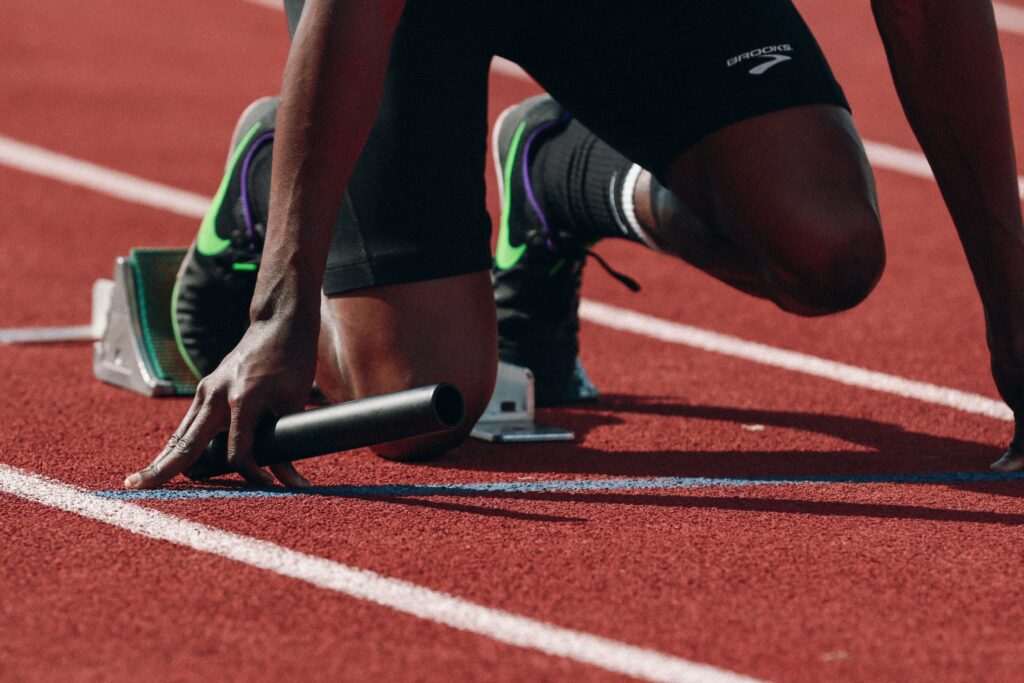
Athletics will still provide the broadest spread of stories. It usually does at a Commonwealth Games. There are the blue-riband sprints, the middle-distance events that tend to matter more to British audiences, and the field disciplines that often bring surprise medal contenders into view. The return of the Commonwealth Mile adds a useful historical note too, giving the athletics schedule one extra point of interest.
Netball deserves attention as well, particularly with the Games being held in Glasgow. It already has a committed audience across the UK, and it is one of those sports that often picks up wider interest once the knockout stage comes into sight. A strong Scottish atmosphere could make those sessions feel even bigger.
The names and teams to watch
It is still early for full squad lists, but Scotland already has some obvious focal points. In cycling, Katie Archibald stands out immediately. She has the profile, the record and the home setting to become one of the defining athletes of the Games if selection and fitness align. Scottish cycling more broadly should give the hosts one of their strongest chances of regular visibility.
Para cycling also offers real Scottish medal interest, with Fin Graham and Neil Fachie among the names that add weight to the host-nation story. Because Glasgow 2026 is leaning so heavily into its integrated Para programme, these are not side stories. They should be part of the main daily conversation.
Across the wider home nations, England is likely to have the greatest depth in athletics and swimming, simply because of numbers and strength across multiple disciplines. Wales often looks capable of producing memorable moments in boxing, the pool and selected track events, while Northern Ireland traditionally has the ability to make itself heard in combat sports and targeted medal events. The final shape of the squads will decide the detail, but the broad pattern is already clear: every home nation should have something worth following.
Why the home-nation angle matters
One reason the Commonwealth Games often works well for British audiences is that it breaks away from the usual Team GB structure. Scotland, England, Wales and Northern Ireland compete separately, which changes the mood straight away. Instead of supporting one combined team, viewers get a mix of local pride, rivalry and shifting medal-table interest.
That feels especially relevant in Glasgow. Scotland will not just be taking part; it will be hosting, and that tends to sharpen attention around the squad. Home crowds can change the tone of a session, especially in sports like netball, bowls, boxing and cycling where atmosphere counts.
It also gives the Games a more layered identity. England may still expect a strong medal return, but that does not flatten the event. Scottish success will feel different because of the host factor. Welsh and Northern Irish medals may stand out more because they can shift the narrative of a day. That is part of what makes the Commonwealth Games worth watching on its own terms.
A summer event that could grow on people
Glasgow 2026 may not arrive with the scale of an Olympics, but that does not have to be a weakness. In fact, the opposite may be true. The shorter programme, familiar venues and stronger home-nation framing could make it easier for UK audiences to connect with.
There is enough here to give the Games real shape: swimming sessions packed with medals, fast-paced cycling, athletics with broad appeal, netball with edge, and a meaningful integrated Para programme that should be central rather than decorative. Add in the fact that it is being staged in Glasgow, and the result is a summer event that may feel more immediate and watchable than many people expect.