


Motorsport once attracted mainly dedicated enthusiasts, yet recent seasons show more families turning race weekends into shared annual plans. Parents, children, and grandparents now attend together, combining sporting excitement with time spent as a group. What previously felt like a specialist interest now appeals to wider audiences seeking memorable live experiences.
Modern race weekends offer more than track action alone. Fan zones, technical displays, and organised activities support engagement across age groups. Improved facilities and clearer visitor planning have also made attendance feel more accessible for families preparing shared travel around the racing calendar.
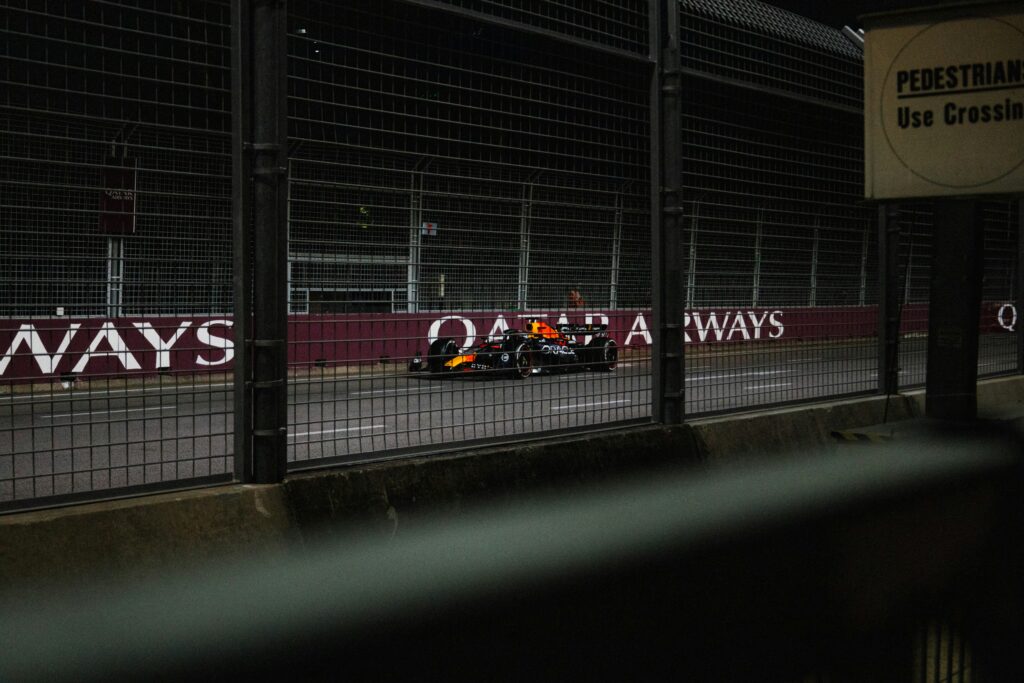
The Cultural Shift Behind Family Attendance at F1 Events
Formula 1 historically carried a reputation as an elite spectator sport followed mainly by long-term adult fans. This perception began to change following the championship’s commercial restructuring after 2017. A broader audience strategy expanded digital storytelling and global promotion, helping introduce the sport to new demographics.
Documentary coverage and social media engagement have played a visible role in shaping this cultural transition. Younger audiences now develop familiarity with teams and drivers through regular online updates. These narratives create continuity between race weekends, encouraging families to view attendance as part of a wider seasonal experience rather than a one-off occasion.
As spectator demographics evolve, demand for viewing environments that combine comfort, visibility, and social atmosphere has increased. This shift has contributed to the growth of premium F1 hospitality experiences, which reflect changing expectations around event participation and multi-generational attendance.
Practical Improvements Making Circuits More Accessible
Rising family interest has encouraged circuits to review infrastructure and on-site facilities. Dedicated rest zones, child-friendly seating areas, and improved navigation systems now form part of many major event layouts. These adjustments help reduce fatigue during long race days and support smoother movement between viewing points and activity spaces.
Enhanced restroom provision and private nursing facilities have also contributed to a more practical visitor environment. Parents attending with younger children benefit from clearly signposted amenities, allowing them to manage daily routines without missing key race moments. These considerations help maintain comfort levels across extended event schedules.
Noise exposure has long been a concern at high-performance motorsport venues. Many circuits now distribute protective ear defenders for younger attendees. This measure reflects feedback gathered from family visitors and supports safer engagement with high-intensity track sessions.
Interactive fan zones and clearly defined spectator viewing areas at UK race circuits help families move comfortably between activities while maintaining good track visibility throughout long event days. Such features help sustain interest across different age groups and complement broader F1 hospitality settings designed to support comfort and social interaction.
Educational Value and Skill Development for Young Attendees
Race weekends often provide informal learning environments that extend beyond the sporting spectacle. Formula 1 integrates engineering, physics, mathematics, and data analysis into real-time decision-making processes visible from the grandstands or exhibition areas. Children observing these dynamics gain practical exposure to subjects they encounter in school.
Technical demonstrations highlight teamwork and coordination. Watching pit crews complete rapid tyre changes or respond to strategic race calls illustrates how precise planning and communication influence performance outcomes. These experiences can shape how younger visitors perceive collaborative work environments in later life.
The international composition of Formula 1 also introduces cultural awareness. Driver announcements, team branding, and fan representation from different countries reinforce the global reach of the sport. Sustainability initiatives presented at circuits also show how motorsport organisations respond to environmental priorities, giving younger audiences exposure to new F1 power unit regulations and evolving technology.
Financial Considerations and Planning Requirements
Attending a motorsport weekend requires structured budgeting. Ticket prices, accommodation costs, travel arrangements, and on-site spending contribute to the overall financial commitment. Families who begin planning several months in advance often access early booking rates that help reduce total expenditure.
Transport coordination also plays a role in cost management. Shuttle services, park-and-ride schemes, and rail connections can simplify arrival logistics and limit additional travel expenses. Some visitors choose lower-priced practice day tickets as an introduction to the race weekend atmosphere while still gaining access to fan zones and circuit facilities.
Accommodation demand near major circuits rises quickly once race dates are confirmed. Early reservations help families secure suitable lodging within manageable travel distance of the venue, reflecting wider hotel booking demand trends observed across UK event destinations.
Race weekend spending patterns also vary depending on participation preferences. Families interested in structured viewing environments or added amenities may consider F1 hospitality packages, which typically combine seating, catering, and controlled access to designated event spaces. Comparing these options with standard ticket routes helps visitors align comfort expectations with available budgets.
Long-Term Social Impact of Shared Motorsport Experiences
Regular attendance at major sporting events often contributes to stronger family traditions. Shared travel planning, coordinated schedules, and collective anticipation of race outcomes create experiences that extend beyond the duration of the event itself. Over time, these routines can shape how families organise annual leisure activities.
Children who grow up attending motorsport events frequently develop lasting associations with the atmosphere and community engagement they encounter trackside. These memories may influence future leisure choices, career interests, or social networks formed around shared sporting enthusiasm.
At a broader level, the evolution of Formula 1 into a more accessible spectator environment reflects wider shifts within live entertainment culture, with audience expectations increasingly shaped by global scheduling patterns linked to a major sporting events calendar.
Overall, the growing presence of families at motorsport events reflects how Formula 1 continues to evolve beyond pure competition into a shared live experience. When race weekends combine practical planning, accessible facilities, and meaningful moments together, they become part of long-term family traditions. For many households, these events now represent more than sport alone, offering continuity, connection, and memorable time spent across generations.