


Tattoo culture is everywhere. From social media trends to celebrity ink inspiration, body art no longer feels edgy or niche—it’s mainstream. But with that popularity has come an unexpected side effect: a rise in amateur, DIY, and unregulated tattoo practices. And while many people chase the perfect piece, few consider the potential hidden risks involved when tattoos are done without the right training, hygiene protocols, or equipment.
So what exactly can go wrong—and why do professional standards make such a difference? Let’s unpack what everyone should know before they decide to bring art to their skin.
The Allure of Cheap DIY Tattoos
In the age of TikTok challenges and viral trends, at-home tattoos and pop-up parties have become surprisingly common. Add a cheap walk-in price tag to the mix, and it’s easy to see why some people choose convenience over caution.
But tattoos aren’t temporary stickers. They’re permanent modifications that involve breaking the skin and depositing pigments into the dermal layer. That’s a major biological commitment, and it’s one that demands respect.
What Can Go Wrong Without Professional Standards
1. Infection and Bloodborne Risks
Every time the skin is pierced, there’s a risk of infection. If tools aren’t sterilised properly—or if strict hygiene protocols are ignored—the likelihood of bacterial, viral, or fungal transmission increases dramatically. Professional studios follow rigorous sterilisation processes precisely to control these risks.
2. Poor Healing and Scarring
A tattoo looks like art when it heals cleanly and evenly. But when needles are too blunt, improperly spaced, or not suited for the technique being used, skin trauma increases. This can lead to excessive scarring, patchiness, or loss of detail.
3. Allergic Reactions and Ink Safety
The safety of tattoo pigments varies widely. Some inks are formulated with low-quality ingredients that break down unevenly or provoke sensitivities. In contrast, professional tattoo artists use inks evaluated for stability and safety, designed to fade gracefully over time rather than react unpredictably in the skin.
4. Aesthetic Quality and Longevity
Even if a tattoo heals without visible complications, it may age poorly if executed with substandard tools. Tattooing is a precision craft where even slight differences in technique, depth, and materials can impact how the design ages. For example, a piece that looks crisp today may blur or blur prematurely if the artist lacks proper control or is using inferior equipment.
Why Professional Tattoo Equipment Matters
One of the most overlooked factors in all of this is the quality of the tools themselves. Much like chefs need good knives and painters need quality brushes, tattoo artists need reliable equipment to deliver safe and lasting work.
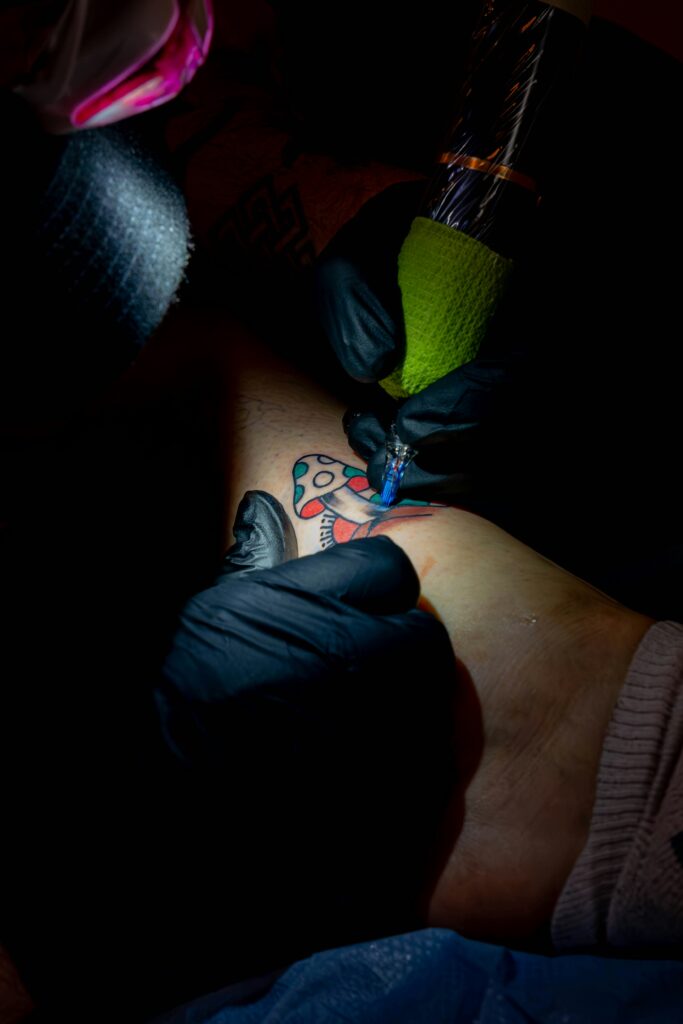
A central component of that toolkit is the tattoo needle: a deceptively simple element that has a huge influence on the outcome. Professional tattoo needles are engineered to deliver pigment precisely, with consistent depth and minimal trauma. They are designed for safety, predictability, and performance—not just function.
For those curious about the tools used by professionals in reputable studios, a selection of studio-grade tattoo needles can be found here:
https://www.murostar.com/Tattoo-Needles
Using high-grade needles isn’t a matter of luxury; it’s a matter of standardised practice and long-term results.
Regulation and Hygiene: Not Just Red Tape
Professional tattoo studios are subject to health regulations in many countries. These rules exist for good reason: to protect clients from infection, allergic reaction, cross-contamination, and other hazards. Licensed artists train specifically in cross-contamination control, hygiene standards, and proper equipment handling.
Amateur setups—even those driven by enthusiastic hobbyists—often lack this infrastructure, and that gap shows both in short-term complications and in long-term outcomes.
How to Tell the Difference: Professional vs. Amateur
Here are a few red flags to watch out for:
- Tattoos offered at drastically below-market prices
- No physical studio space or visible licensing
- Lack of clear sterilisation procedures
- Artists who do not explain materials or tools
- Use of homemade machines or improvised gear
A professional artist will not only answer questions about their process—but will often be happy to explain why specific standards, tools, and materials matter.
Final Takeaway
In an era where tattoos are more popular than ever, it’s easy to fixate on trends or bargain prices. But when it comes to body art, what lies beneath the surface matters just as much as what you see on Instagram.
Tattoos are permanent by nature. Making sure they are executed safely, with appropriate hygiene and quality tools, isn’t about fear—it’s about informed decision-making and long-term satisfaction.
If you’re thinking about getting inked, take the time to understand not just the design you want, but the standards behind how it’s done. That knowledge can mean the difference between a cherished piece and an avoidable mistake.