


NIFRS Reveals Highest House Fire Fatalities in 25 Years Prompting Urgent Call to Check on Those Most at Risk
2025 was the highest year of house fire fatalities in a quarter of a century with 16 losses of life.
These harrowing statistics from Northern Ireland Fire & Rescue Service (NIFRS) reveal that half of the incidents were smoking material related with electrical causes contributing to 4 fatalities.
A third of the incidents did not have working smoke alarms.
It is known that 75% of the fatalities were people who lived alone, and over 65% of those were also in NIFRS People at Risk group.
NIFRS is urging the public to start the year by taking extra care at home with their safety habits. Most fires are preventable and having working smoke alarms and changing behaviours that create risk can save your life.
NIFRS Assistant Chief Fire & Rescue Officer Marcus Wright said: “Our thoughts and sympathies are with the families and loved ones of those who have died in 2025 in house fires.
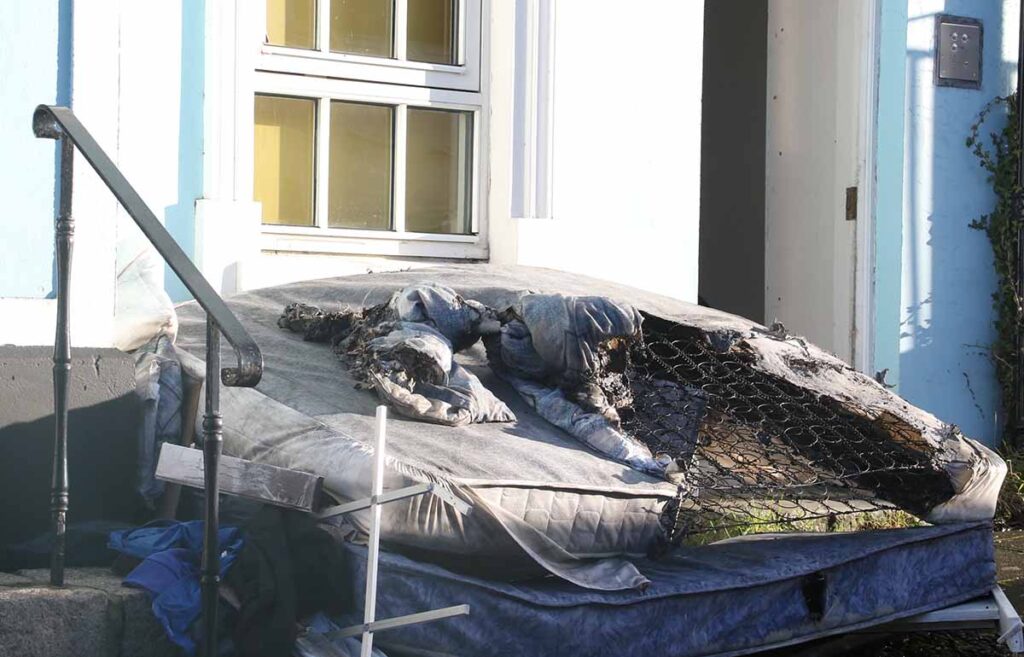
“This is the highest number of fatalities since 1999 and is a key priority and concern for us. The fires show how quickly everyday situations can turn into life-changing emergencies leading to devastating impacts for our community.
“We are pleading with the public to make home fire safety a priority to prevent further loss of life or serious injury.
“Smoking materials has been the leading cause of fatal house fires, accounting for a staggering 43% of such deaths over the past 10 years.
“We strongly advise for you to smoke outdoors at your property and to extinguish cigarettes before placing them in a suitable container, such as a metal bin.
“A majority of the fatal fires started in a bedroom followed by living room and kitchen.
“Therefore, we ask that you check your smoke alarms are fitted, tested regularly, and replace batteries when needed.
“Please also consider installing smoke alarms in the rooms you use the most. We would also advise heat detectors in your kitchen and utility.
“As we continue to be in the high-risk time of year for house fire, we are asking you to take time to reach out to vulnerable family members, neighbours and friends who may need support to stay safe from fire, especially those who live alone.
“If you have any concerns about this person, you can also complete our online Home Fire Safety Check with them, or request an in-person visit.
“We are also calling on our partner agencies to make use of our referral system for Home Fire Safety Checks. You are the ‘eyes and ears’ in our community to helping us keep those most at risk safe from fire.
“We are currently considering what more can be done, over and above what is currently being done, to help keep those most at risk safe from fire, as we continue to educate our community and deliver engagement activities.”
If you fit NIFRS Person at Risk criteria, have no access to the internet or unable to complete the online self-assessment, please contact NIFRS by phone to receive a free in person Home Fire Safety Check on 028 9266 4221.
NIFRS Fire Safety Advice
* Ensure you have a working smoke alarm fitted to each floor in your property, and test them so you know they work.
* Don’t overload electrical plug sockets. Some indicators of overloaded sockets include scorch marks or blackness around the socket or plug, sparks coming from a plug or appliance, and the smell of hot plastic near the plug or socket.
* Never place candles near soft furnishings, and don’t leave them burning unattended.
* Keep candles, lighters and matches out of the reach of children.
* Don’t leave cooking unattended, and don’t cook if you are tired, have been drinking alcohol or have taken medication that could make you drowsy.
* Keep flammable items such as oven mitts, tea towels and cables away from the cooker top.
* Ensure your bedtime routine includes switching off electrics including portable heaters, and any extra charging leads. Extinguish candles and cigarettes, and close doors to protect your escape route.
* Remember the risk of accidents is greater after alcohol is consumed.
* Make a fire escape plan and discuss it with your household, and anyone staying with you, and keep your escape route clear.
1. The STOP Fire message:
S- Smoke alarm – Do you have working smoke alarms?
T- Test it – Do you test your smoke alarms each week?
O- Obvious dangers – Do you know the ‘Obvious Fire Dangers’ in your home?
P- Plan your escape route – Do you have an escape plan if a fire starts?
2. If you are worried about the fire safety of someone in your community you can find out more fire safety advice, or complete our online Home Fire Safety Check with them by visiting our website www.nifrs.org.