



The allure of bargain purchases often masks their true cost because cheap items require frequent replacement, generating waste whilst draining finances through repeated expenditure. Strategic investment in quality luxury goods delivers superior longevity, potential appreciation in value and reduced environmental impact compared to disposable fast fashion and mass-market alternatives. Understanding which premium items justify their price tags changes luxury from mere indulgence into savvy financial planning.
- The financial case for buying quality
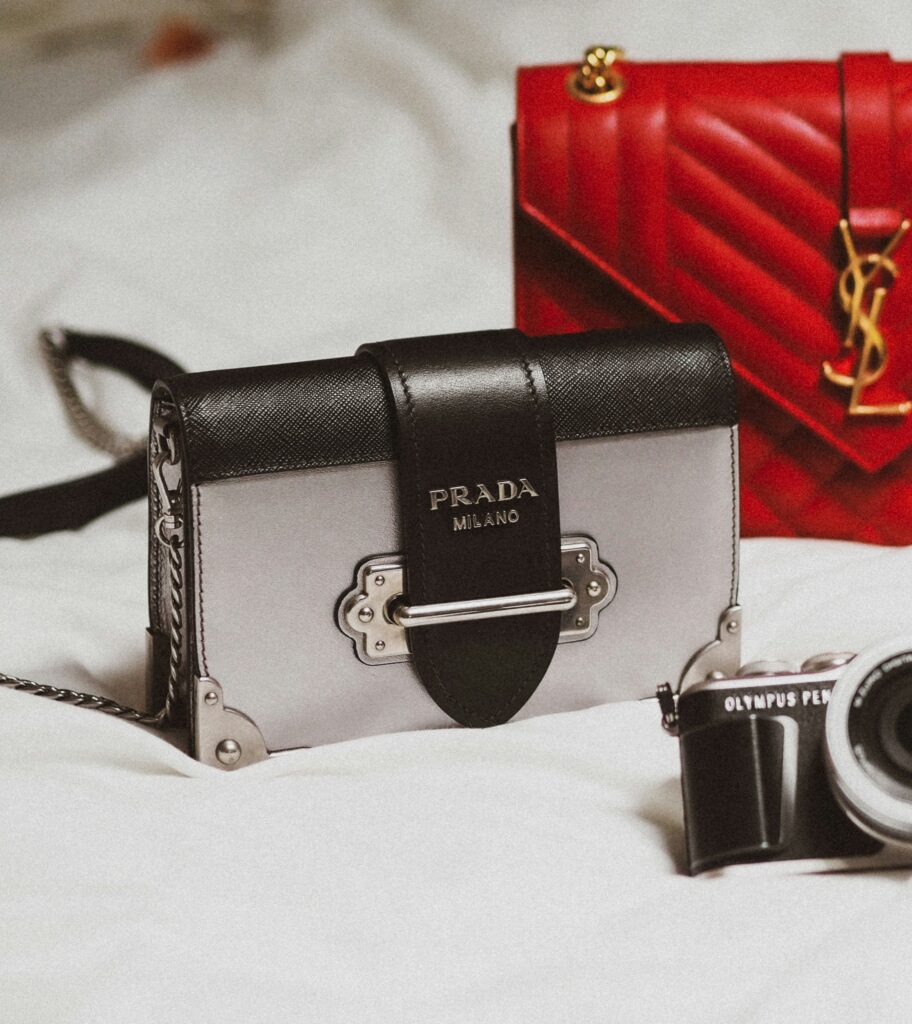
Luxury goods typically feature superior craftsmanship, premium materials and timeless designs that outlast cheaper equivalents by years or even decades. A well-made leather handbag costing £800 that lasts twenty years proves more economical than five £100 bags requiring replacement every four years, whilst also avoiding landfill contributions. Certain categories consistently appreciate, instead of depreciate, changing purchases into assets that store wealth outside traditional banking systems. This tangible value provides inflation hedges whilst offering enjoyment throughout ownership, which brings advantages savings accounts cannot match.
- Collectible luxury items with proven appreciation
Fine wines from prestigious châteaux regularly appreciate quite a bit, with rare vintages commanding multiples of their original prices at auction. Mechanical watches from established manufacturers like Rolex, Patek Philippe and Audemars Piguet often increase in value, particularly limited editions or discontinued models. Premium whisky, especially aged single malts from closed distilleries, attracts serious collectors willing to pay substantial premiums. Designer handbags from houses like Hermès and Chanel maintain resale values remarkably well, with certain styles appreciating annually. Even trainers, particularly limited-edition collaborations from Nike, Adidas and Jordan, trade for thousands above retail prices amongst enthusiasts. According to Business First’s luxury investment guide, these markets show consistent demand that supports value retention and growth.
- Accessible luxury across budget ranges
Investment-grade luxury needn’t require enormous capital outlays. Silver jewellery offers entry points into precious metals that appreciate with silver prices whilst providing wearable pleasure. Quality fountain pens from manufacturers like Montblanc or Parker combine functionality with collectibility at moderate price points. Vintage vinyl records, first-edition books and antique furniture all represent accessible categories where knowledge and patience yield valuable acquisitions. Even modest budgets accommodate strategic purchases that prioritise quality over quantity, and a single exceptional cashmere jumper outlasts a wardrobe of synthetic alternatives whilst feeling incomparably better against the skin.
- Environmental and ethical advantages
Luxury brands emphasise sustainability through responsible sourcing, ethical production and durability that counters throwaway culture. Buying one item built to last decades reduces manufacturing demand, shipping emissions and disposal waste compared to repeated cheap purchases. Many luxury houses now offer repair services that extend product lifespans indefinitely, with patina and wear adding character instead of diminishing value. Supporting craftsmanship preserves traditional skills threatened by automation and mass production, maintaining cultural heritage alongside commercial transactions.
- Authentication and care considerations
Luxury investments need verification to guarantee authenticity and maintain value. Purchasing from authorised retailers, obtaining certificates of authenticity and researching provenance protect against counterfeits that plague secondary markets. Proper storage and maintenance, like climate-controlled wine cellars, watch servicing, and leather conditioning, preserve conditions that determine resale values.
Strategic luxury purchases combine immediate enjoyment with long-term financial prudence, transforming consumption into investment whilst lowering environmental footprints through mindful, quality-focused buying habits.