


Inadequate waste infrastructure could lead to a major environmental crisis says arc21 CEO Dr Tim Walker
- Lack of development of indigenous (waste) infrastructure could lead to a “waste crisis”, ‘not unlike that relating to new water and wastewater infrastructure.’ – writes arc21 Chief Executive
Writing a platform article for the Pivotal Public Policy Forum, Tim Walker Chief Executive of Northern Ireland public waste management body arc21, which represents six Northern Ireland councils has warned about the risks of continued inaction in delivering much needed waste infrastructure to advancing the circular economy in Northern Ireland and mitigating climate change.

In the article Tim Walker, who also is the current Chartered Institution of Wastes Management (CIWM) President, said: “The opportunities to advance a circular economy and prepare to deliver the climate change act targets are being damaged.
“I’d previously called out this lack of development of indigenous infrastructure as a “waste crisis”, not unlike that relating to new water and wastewater infrastructure.
“For now, we’ve managed to implement short–term arrangements with local contractors.
“This situation, combined with what’s happening in Lough Neagh and more widely, does little for Northern Ireland’s reputation as a custodian of the environment.
“The on-going saga of the Mobuoy illegal landfilling scandal which, although identified in 2013, has not yet been resolved provides a salutary lesson on the need to ensure that properly regulated infrastructure is in place to control and manage our waste.”
Tim Walker added: “There is no doubt that the challenges ahead mean we have now reached a junction where a choice needs to be made.
“There is significant pressure on our councils to comply with recycling and other environmental and public health imperatives, which could be met by developing local infrastructure in line with the environmental principles of proximity and self–sufficiency.
“Alternatively, we can continue to limit our ambition and rely upon exporting materials overseas where it is out of sight and out of mind but where it risks undermining our reputation as a green and pleasant land
“Waste management has long been the Cinderella of Northern Ireland’s infrastructure. But, as per elsewhere in the UK, it is critical that we invest in facilities if we want to develop a modern and progressive economy.
“We have an important choice to make.”
Responding to the article, Colin O’Hanlon from leading European waste management company Indaver which is supporting arc21’s efforts to deliver modern waste infrastructure to meet the needs of its council members said: “We need to heed the warnings as articulated clearly by arc21 in this article.
“Northern Ireland’s approach to waste management is increasingly precarious, and continued inaction on delivering local waste infrastructure means we are nearing a tipping point where we risk adding a waste crisis to our existing wastewater crisis.
“Climate change and circular economy targets mean we can no longer send our residual (black bin), largely non-recyclable waste, to landfill.
“Nor is it a sustainable long-term solution to rely on volatile export markets and other jurisdictions, to manage our waste, especially in these turbulent geopolitical times.
“You only need look at the recent impact of bin strikes in Birmingham, where within days, waste piled up on the streets, to see just how precarious, certain waste management systems are.
“In 2023 for example, NI exported over 280,000 tonnes of residual waste, as Refuse Derived Fuel (RDF) to be processed at European energy-from-waste plants.
“This figure has more than doubled since 2020 and will continue to rise without local waste infrastructure.
“This points to chronic under-capacity in the Northern Ireland waste management sector, and we are lagging significantly behind the rest of the UK and Europe in adopting modern infrastructure, necessary to address this growing challenge.
“Failure to address this issue will have significant financial, environmental, and reputational consequences.
“The good news is that unlike the wastewater crisis, however, there is a ready-made solution waiting to be implemented.
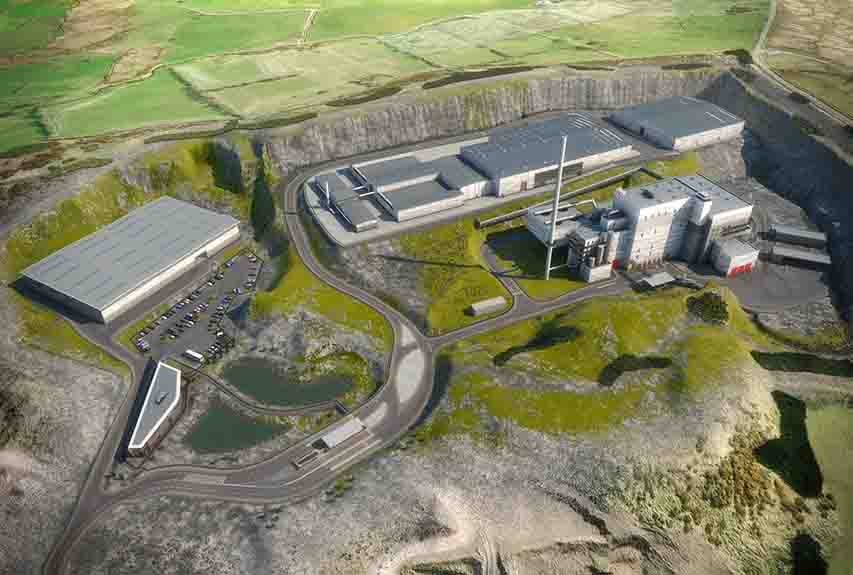
“That solution is the £250 million arc21 residual waste project, which presents an opportunity to showcase how private-sector investment delivered via Indaver can drive public benefit, deliver long-term value and leave a valuable asset in public ownership.
“The project simply requires a robust and evidence-based planning decision from the Minister for Infrastructure which will allow it to progress to the next stage of procurement where a business case evaluation will trigger a democratic decision by the arc21 councils to decide if it progresses.”
You can read the full Pivotal article from Tim Walker on their website here:
https://www.pivotalppf.org/our-work/pivotal-platform/149/managing-northern-irelands-waste-choices
***
More about waste management
arc21 is a local government statutory committee consisting of six participating councils located along the eastern coast of Northern Ireland. It serves c 59% of the population of Northern Ireland and manages c 60% of the Local Authority Collected Municipal Waste (LACMW) arisings in Northern Ireland.
The partner councils of arc21 are Antrim & Newtownabbey Borough Council, Ards and North Down Borough Council, Belfast City Council, Lisburn & Castlereagh City Council, Mid & East Antrim Borough Council and Newry, Mourne and Down District Council.
The arc21 project has already been recommended for approval by four separate sets of planning professionals, including by an Independent Planning Appeals Commission review.
The project has previously received no objections from over 70 statutory consultee responses including from the Northern Ireland Environment Agency (NIEA), Public Health Agency and DfI Roads Service.
Across Great Britain, Ireland, and Europe, residual waste is managed locally through similar energy-from-waste facilities, which convert non-recyclable waste into electricity and heat. In the UK alone there are 60 facilities operational and 10 more in construction.
Northern Ireland remains an outlier in this regard. The absence of similar modern waste infrastructure locally poses a serious risk to public health, the environment, and economic development.
In addition to delivering a sustainable waste management solution, the arc21 project presents an opportunity to support Northern Ireland’s wider decarbonisation and energy transition goals.
The facility will provide continuous baseload electricity, much of it renewable, helping stabilise the electricity grid for more renewable generation and reducing our reliance on fossil fuels.
With additional heat offtake available through the Energy from Waste process, the potential exists to integrate additional technologies such as hydrogen and e-fuel production, district heating, and carbon capture when technically and economically feasible and aligned with UK and NI government policy imperatives
hese advancements would position Northern Ireland as a leader in innovative waste-to-energy solutions, setting a precedent for sustainable waste management across the UK and Ireland.